Navi Pillay, Who Fought for Gaza, Wins Nobel Peace Prize
Darwin, October 09: Navanetham “Navi” Pillay, a South African jurist who led a United Nations investigative commission that described Israel’s actions in Gaza as genocide,…



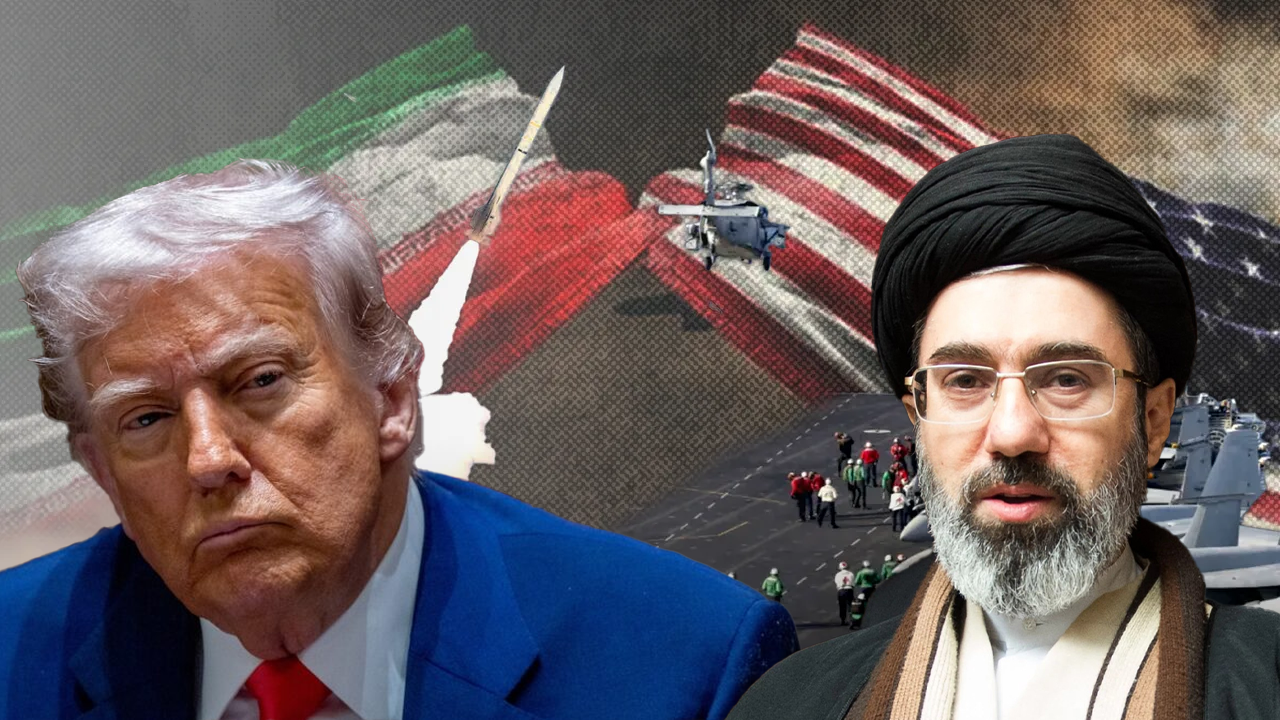
Darwin, August 26: The United States has announced a new round of sanctions against Iran, aimed at cutting off the commercial and financial channels that keep the Iranian economy afloat.
US Treasury Secretary Scott Bessent said the new measures are designed to shut down every economic pathway supporting the Tehran government and ultimately isolate Iran.
Under the new sanctions campaign, dubbed “Operation Economic Outcast,” around 60 companies, individuals and vessels have been blacklisted. The measures are primarily aimed at reducing Iran’s oil revenues, restricting its banks and international financial transactions, disrupting the vessels and networks used to circumvent sanctions, and cutting off funding and technology for Iran’s nuclear and missile programs.
The sanctions also target third parties doing business with Iran.
At the same time, the United States has expanded secondary sanctions targeting the shipping, gold, aviation, technology and digital-assets sectors.
Bessent said the goal is to close every economic channel that supports the government in Tehran and eventually leave Iran isolated. To achieve this, President Donald Trump has been calling leaders of various countries and making specific requests for them to end their commercial ties with Iran. Bessent did not specify which countries Trump had contacted or whether any deadline had been set.
An analysis of official customs and trade data shows that Washington would primarily need to increase pressure on several Asian and regional countries to fully isolate Iran. However, the figures do not capture a significant portion of Iran’s oil exports, much of which is transported through a “shadow fleet” and therefore does not appear fully in official trade statistics.
After facing Western sanctions for much of the past two decades, Iran’s economy has increasingly shifted away from Europe and become dependent on Asian countries and regional neighbors.
According to official customs data, Iran exported nearly $56 billion worth of goods to at least 112 countries and territories in 2024. Its main export destinations included:
China is Iran’s largest export market. According to tanker-tracking analysts, China purchases more than 80 percent of Iran’s crude oil exports transported by sea.
A significant portion of this oil is sold below market prices and transported by vessels belonging to Iran’s so-called shadow fleet. As a result, a large share of the trade is not reflected in the official trade statistics of the two countries.
Iraq is another key trading partner for Iran. Tehran supplies large quantities of gas to Iraq for electricity generation and also sells electricity directly to several provinces in southern Iraq.
Iran is also an important supplier of food products, construction materials and various industrial goods to the Iraqi market.
The UAE has long served as an important hub for Iran’s economy and re-export trade. Around 13 percent of Iran’s total exports were destined for the UAE.
However, Abu Dhabi imposed an indefinite trade ban on Iran last week, citing allegations that Iran had launched missile attacks on its territory. Tehran has denied the allegations.
Iran has supplied natural gas to Turkey through pipelines for many years, with the Tabriz-Ankara pipeline serving as one of the main routes.
Iran also exports petrochemicals, food products and construction materials to Turkey.
Iran supplies neighboring Afghanistan with fuel, food and construction materials. As a landlocked country, Afghanistan also relies heavily on Iranian ports and land routes to access international markets.
In 2024, Iran imported nearly $68.5 billion worth of goods from at least 87 countries and territories. Its main sources of imports were:
The UAE was Iran’s largest import partner, accounting for slightly more than 30 percent of the country’s total imports.
A large share of these goods are not manufactured in the UAE but are re-exported to Iran through the country from other parts of the world.
This route has allowed Western machinery, electronics and consumer goods to reach the Iranian market. Abu Dhabi’s new trade restrictions have now disrupted this important supply channel.
China is a major supplier of machinery, electronics, vehicles and industrial components to Iran. As trade between Iran and Western countries declined, Tehran became increasingly dependent on China.
Turkey remains an important overland supplier to Iran because of their shared border and longstanding commercial ties.
Machinery, chemicals, vehicles and various industrial goods are exported from Turkey to Iran. However, bilateral trade has declined since the war began.
Trade between Iran and the European Union is now significantly lower than it was before 2018. European exports to Iran currently consist mainly of medicines, medical equipment and machinery.
Trade between India and Iran has also declined significantly in recent years. However, New Delhi continues to maintain limited commercial ties with Tehran, largely involving agricultural products, rice, tea and medicines.
Overall, if the United States wants to completely isolate Iran economically, its biggest challenge will be Tehran’s commercial relationships with countries such as China, Iraq, the UAE and Turkey.
China is particularly important because of its role in Iran’s oil exports. Beijing’s willingness to continue purchasing Iranian crude means that increasing pressure on China could become one of the biggest tests of Washington’s sanctions strategy.
Source: Al Jazeera
Darwin, October 09: Navanetham “Navi” Pillay, a South African jurist who led a United Nations investigative commission that described Israel’s actions in Gaza as genocide,…
Darwin, October 08: U.S. President Donald Trump said on Wednesday that he deserves to win the Nobel Peace Prize, while expressing doubts that he would…
ডারউইন, অক্টোবর ০৮: ভারতের পশ্চিমবঙ্গ রাজ্যে শিক্ষা ব্যবস্থায় বড়সড় বদলের খবর জানালেন মুখ্যমন্ত্রী শুভেন্দু অধিকারী। তার মতে, শিক্ষক নিয়োগে সমতা আনতে পশ্চিমবঙ্গ রাজ্যে আনুষ্ঠানিকভাবে বিলুপ্ত…

Darwin, October 07: Lionel Messi’s final match in international football, if this indeed was his last, was just like the man himself—filled with goals, assists, and…
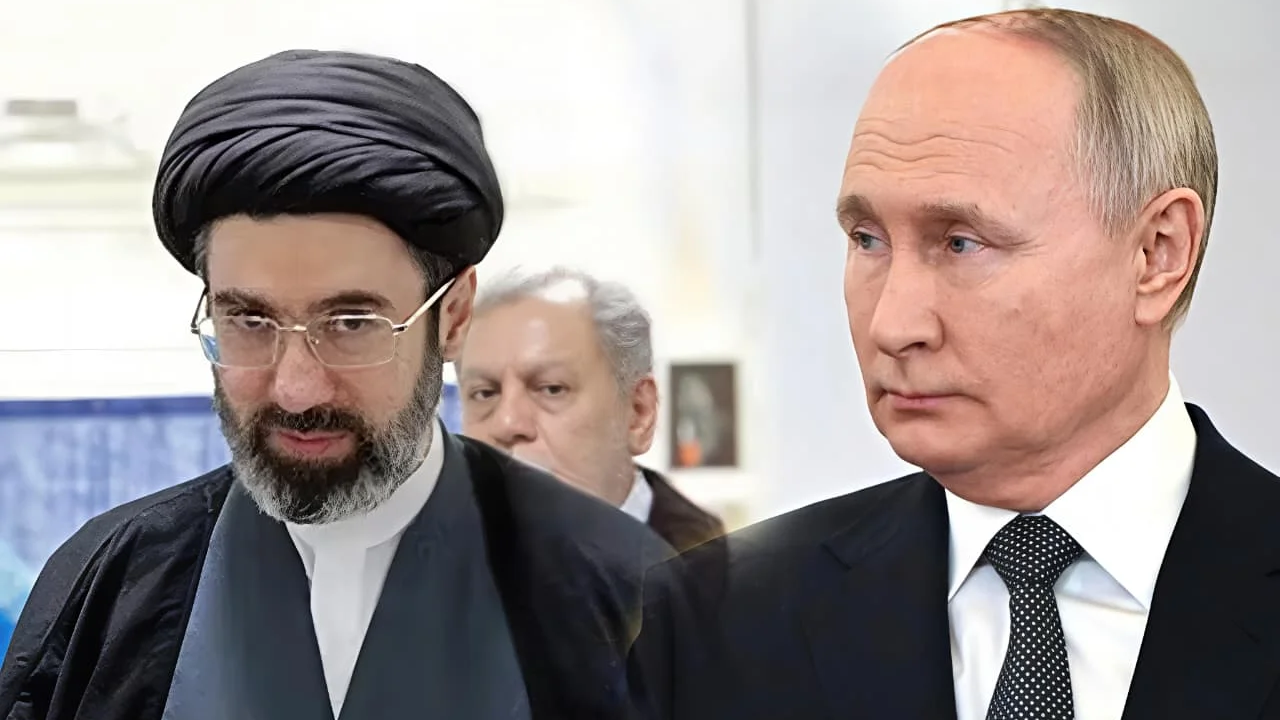
Darwin, October 07: Russia has finalized preparations to provide Iran with a $1 billion loan. The funds will be transferred once Tehran provides the necessary…
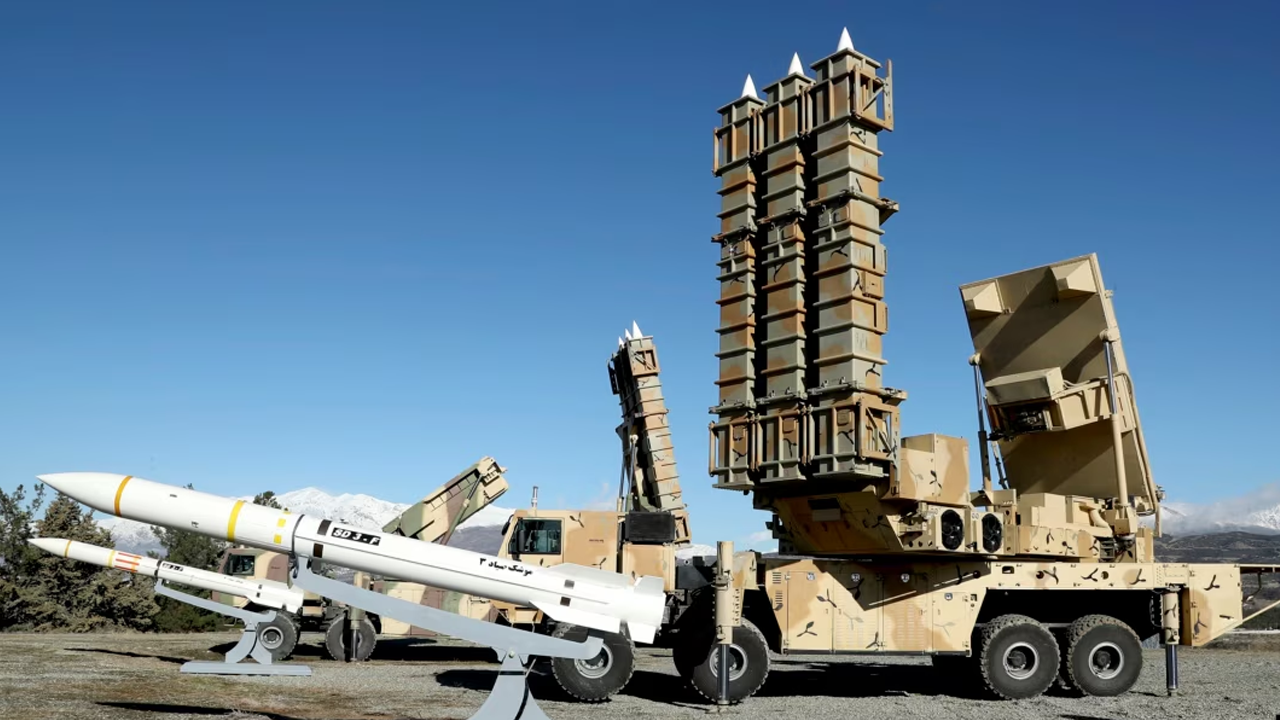
DARWIN, October 7: Iran has warned that it will deliver a stronger response if the United States or Israel launches another attack. The country also…
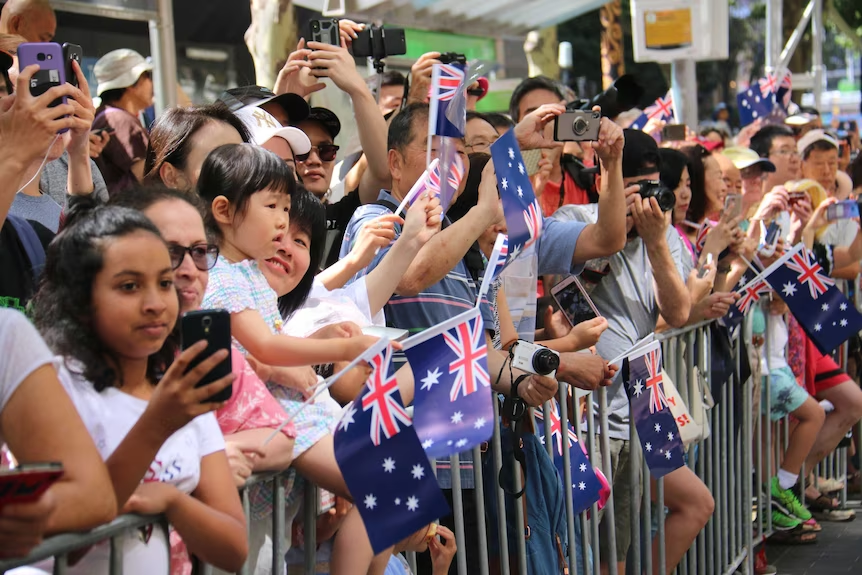
Darwin, October 05: Deaths in Australia are expected to outnumber births by the 2060s, according to a government report, marking a demographic milestone that countries…

Darwin, October 04: Ten people, including three children, have been injured after a car crashed into a crowd of rugby league fans in Newcastle, eastern…