Oil Prices Rise in Global Markets on Fears of Middle East Supply Disruptions
Darwin, October 21: Oil prices rose in global markets on Wednesday as traders grew concerned about potential disruptions to oil supplies in the Middle East,…



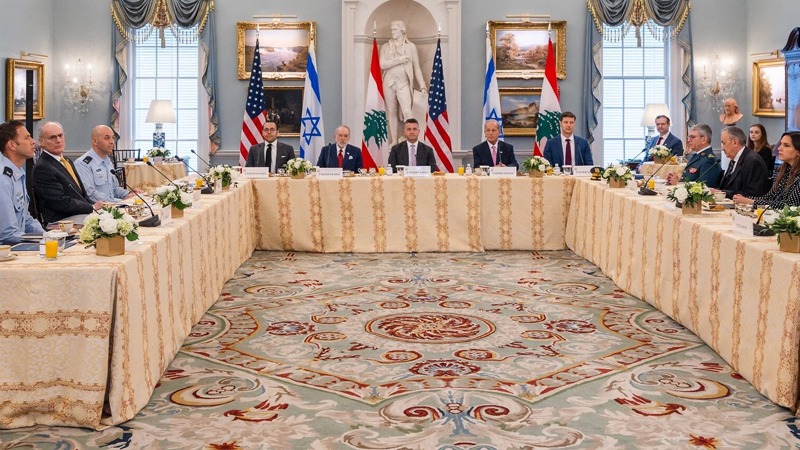
Darwin, 16 May : The United States has announced that the vague ceasefire between Israel and Lebanon has been extended by 45 days, even as Iran-backed resistance group Hezbollah continues to clash with IDF soldiers.
The announcement comes as Israel and Lebanon concluded the third round of talks in Washington. State Department spokesperson Tommy Pigott said the talks were “highly productive” and added that the extension of the ceasefire would “enable further progress.”
According to a report by The Times of Israel on Saturday, military officials from both countries participated in the third round of talks for the first time. Israel was represented by Brig. Gen. Arik Ben Dov, the acting defense attaché to the U.S., and Brig. Gen. Amichai Levin, head of the IDF’s Strategic Division.
Pigott said, “The State Department will reconvene the political track on June 2 and 3. In addition, a security track will be launched at the Pentagon on May 29, with military delegations from both countries participating.”
He added, “We hope these discussions will help establish lasting peace between the two countries, mutual recognition of sovereignty and territorial integrity, and genuine security along the border.”
Israeli Ambassador Yechiel Leiter said the talks were “open and constructive.” He posted on X, “I am looking forward to the next steps. There will be ups and downs, but the potential for success is great. Throughout the negotiations, the security of our citizens and soldiers will be paramount.”
The Lebanese delegation welcomed the extension of the ceasefire and highlighted the establishment of separate military and political tracks, which will meet separately at the State Department and the Pentagon in the coming weeks.
A statement from the Lebanese side said, “Lebanon will engage constructively in the talks, safeguard its sovereignty, and ensure the safety of its people.”
It further outlined Lebanon’s key priorities: restoration of sovereignty, return of displaced persons, reconstruction, release of detainees, recovery of remains, and the establishment of an independent verification mechanism.
Lebanese Prime Minister Nawaf Salam said his country is tired of “reckless” wars driven by foreign interests. He called for Arab and international support in Lebanon’s talks with Israel, adding that he hopes “to mobilize all Arab and international support to strengthen our position.”
The ceasefire has been in effect since April 16. However, under U.S. pressure, Israel has continued targeting Hezbollah operatives, meaning attacks have continued daily, even during the third round of talks.
Hezbollah has targeted Israeli forces in southern Lebanon. Israel says it has created a deep “buffer zone” near the border to protect border communities. The ceasefire, however, has largely held in Beirut and other areas farther from the border.
The Lebanese government is committed to disarming Hezbollah and demands that Israel halt its attacks and withdraw fully. Israel, which considers Beirut to have failed in disarming Hezbollah, demands that the group relinquish its weapons. Hezbollah has refused direct participation in the talks, stating that its weapons are not up for negotiation.
On Friday, Hezbollah launched drones from Lebanon into northern Israel. The IDF reported impacts in Kiryat Shmona and Metula. Some rockets fell in open areas, causing no injuries. Several drones were intercepted by Israel’s air defenses.
Hezbollah also carried out drone, rocket, and mortar attacks on Israeli troops in southern Lebanon. Additionally, they attempted to shoot down an Israeli attack drone, which failed.
Last Thursday, four civilians were wounded in Rosh Hanikra due to a Hezbollah drone attack. Subsequently, the northern coast was declared a military zone.
Lebanon’s Health Ministry reported that at least 37 people were injured in Israeli strikes in the Tyre district, including six hospital staff, nine women, and four children.
The IDF stated that it conducted airstrikes targeting Hezbollah infrastructure after issuing evacuation warnings.
The Israeli military has killed 19 Hezbollah fighters and one Defense Ministry civilian contractor in southern Lebanon. Two Lebanese civilians and one Israeli civilian were also killed by Hezbollah rockets.
The IDF claims to have killed over 2,000 Hezbollah operatives in Lebanon. More than 5,000 targets have been struck. Hezbollah fired approximately 5,500 rockets at IDF troops and 2,500 at Israel, as well as around 300 drones, 25 of which hit Israel.
The IDF believes Hezbollah still possesses thousands of short-range rockets and several hundred long-range rockets. Most attacks are launched from deep within southern Lebanon, north of the Litani River.
Darwin, October 21: Oil prices rose in global markets on Wednesday as traders grew concerned about potential disruptions to oil supplies in the Middle East,…
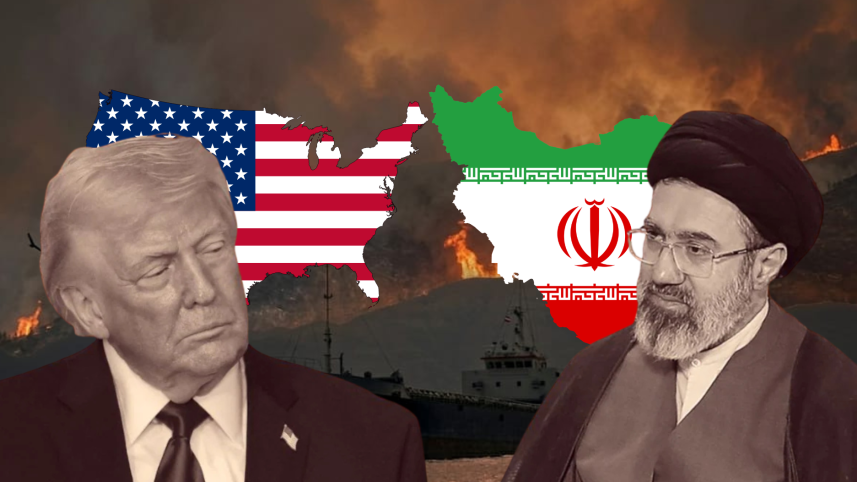
Darwin, October 21: Iran is prolonging negotiations with Washington in an attempt to politically weaken President Donald Trump ahead of the US midterm elections, according…

Darwin, October 21: Today is the auspicious occasion of Bijaya Dashami. The five-day Sharadiya Durga Puja, the biggest religious festival of the Hindu community, officially…

Darwin, October 20: Today is Maha Navami, the ninth day of Sharadiya Durga Puja. Members of the Hindu community will observe the day through religious…
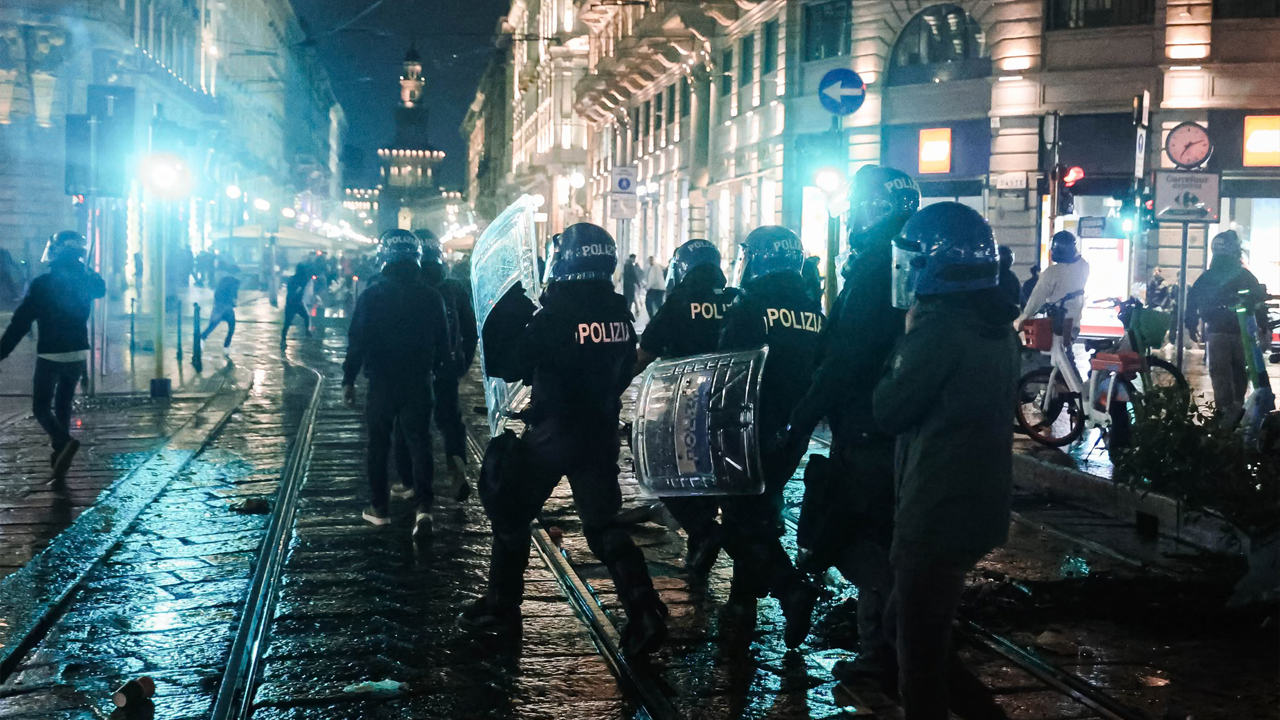
Darwin, October 20: Protests and violence over the rising cost of living have erupted in Italy, one of Europe’s largest economies, following similar unrest in…
Darwin, October 20: US President Donald Trump has warned that protests and violence similar to those in France could spread across the United States if…
Darwin, October 20: Moscow has reaffirmed its full support for Tehran just hours after US President Donald Trump remarked that Russia was doing very little…

Darwin, October 19: Former Manchester City manager Pep Guardiola has urged the world not to forget the Palestinians in Gaza. In a video for the…