Oil Prices Rise in Global Markets on Fears of Middle East Supply Disruptions
Darwin, October 21: Oil prices rose in global markets on Wednesday as traders grew concerned about potential disruptions to oil supplies in the Middle East,…



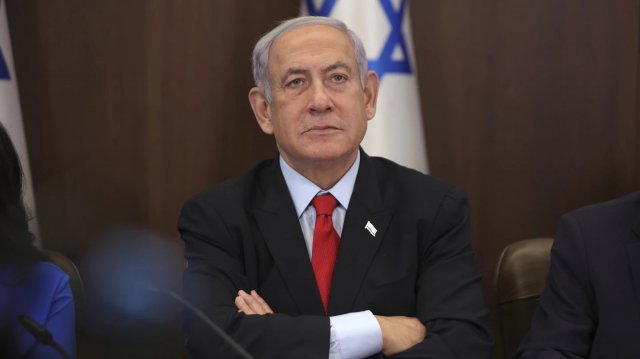
Darwin, 31 May : Israeli Prime Minister is reportedly finding himself increasingly sidelined as the United States moves toward a potential agreement with , signaling a shift from military confrontation to diplomacy under U.S. leadership.
When Israeli and American warplanes jointly struck Iranian targets on February 28 this year, U.S. President and Netanyahu publicly celebrated what they described as a historic military decision. At the time, Netanyahu praised the unprecedented closeness of the U.S.-Israel alliance.
However, just three months later, what began as a joint military operation has reportedly evolved into a U.S.-led diplomatic process, leaving Netanyahu with little influence over the outcome.
According to Israeli sources, while Netanyahu has refrained from publicly criticizing Trump, he privately acknowledged in closed-door meetings that Israel’s ability to shape the outcome of U.S.-Iran negotiations aimed at ending the conflict is now extremely limited.
Following the announcement of an initial ceasefire in April, Netanyahu repeatedly urged Washington to resume a full-scale military campaign, arguing that sustained pressure could destabilize or even topple Iran’s leadership. But the White House has instead pursued diplomatic engagement.
Israeli officials are reportedly worried that a new agreement may fail to address Israel’s key security concerns, including Iran’s enriched uranium stockpile, ballistic missile program, and regional proxy networks, while simultaneously easing economic pressure on Tehran.
An unnamed Israeli official told CNN that there is genuine concern Trump could settle for a weak interim agreement.
“There is real concern that Trump may be satisfied with a bad interim deal. If Iran manipulates the process and ultimately refuses to remove enriched uranium, it could become extremely dangerous,” the official said.
Another Israeli source expressed frustration more bluntly, telling CNN that many in Israel feel “Trump has thrown us under the bus,” suggesting a growing sense of betrayal.
Another major sticking point in the negotiations is reportedly . Iran is said to be pushing for a ceasefire arrangement in Lebanon to be included in any deal, while the United States has already imposed restrictions on certain Israeli military operations there.
At the same time, has reportedly intensified drone attacks targeting Israeli troops and northern Israeli communities.
This has increased pressure on Netanyahu from his right-wing coalition allies. Hardline ministers and have called for a stronger military response. Ben-Gvir reportedly urged Netanyahu to confront Trump directly and make clear that “the State of Israel will not tolerate this.”
A person familiar with U.S.-Israel discussions suggested that Israeli leaders may have miscalculated the broader political implications of the conflict.
According to the source, Israeli officials became overly focused on pursuing regime change in Iran and failed to recognize how deeply the war could affect politics in Washington. Trump reportedly concluded that Israel was pulling the United States toward a broader Middle East war and decided to take direct control of the process.
Last week, Trump reportedly remarked, “Netanyahu is a good man — he’ll do what I say.”
Longtime Netanyahu associates reportedly say the Israeli premier struggles to recognize when to stop and limit political damage. Critics argue that while he may secure military gains, he often fails to convert them into long-term strategic victories.
As a result, Iran’s current leadership remains in place, its nuclear program unresolved, while both and continue to operate.
The evolving situation could complicate Netanyahu’s political narrative ahead of future Israeli elections. After the October 7, 2023 attacks, he had hoped to use military operations against Iran to restore his political image.
However, a recent survey by the found that 45% of Israelis believe the situation with Iran has worsened, while nearly half think Israel is either unlikely to win the conflict or may have already lost.
Source: CNN

Darwin, October 21: Oil prices rose in global markets on Wednesday as traders grew concerned about potential disruptions to oil supplies in the Middle East,…
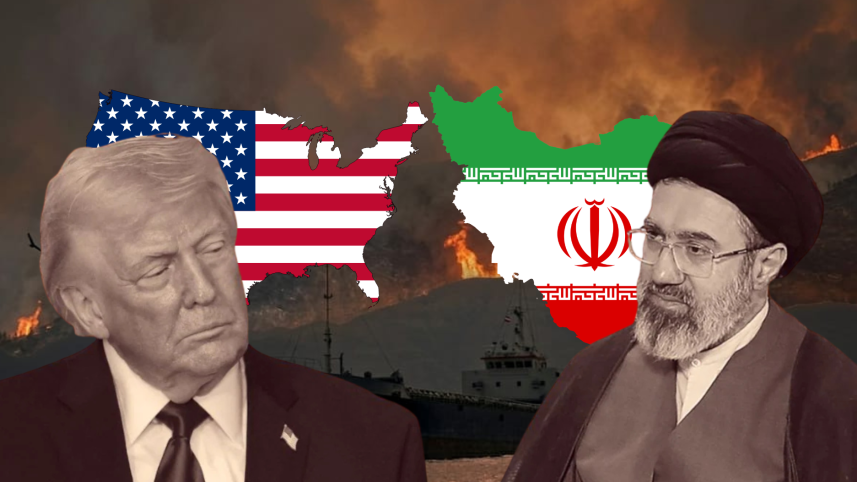
Darwin, October 21: Iran is prolonging negotiations with Washington in an attempt to politically weaken President Donald Trump ahead of the US midterm elections, according…

Darwin, October 21: Today is the auspicious occasion of Bijaya Dashami. The five-day Sharadiya Durga Puja, the biggest religious festival of the Hindu community, officially…

Darwin, October 20: Today is Maha Navami, the ninth day of Sharadiya Durga Puja. Members of the Hindu community will observe the day through religious…

Darwin, October 20: Protests and violence over the rising cost of living have erupted in Italy, one of Europe’s largest economies, following similar unrest in…
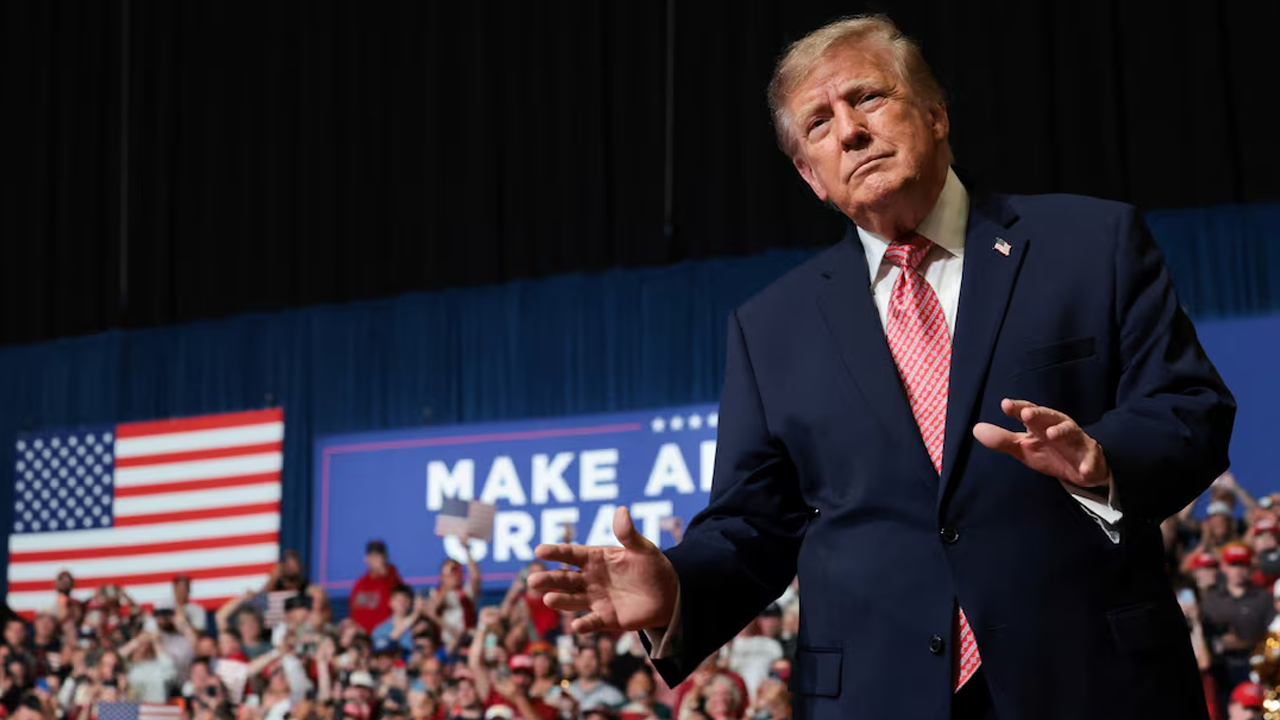
Darwin, October 20: US President Donald Trump has warned that protests and violence similar to those in France could spread across the United States if…
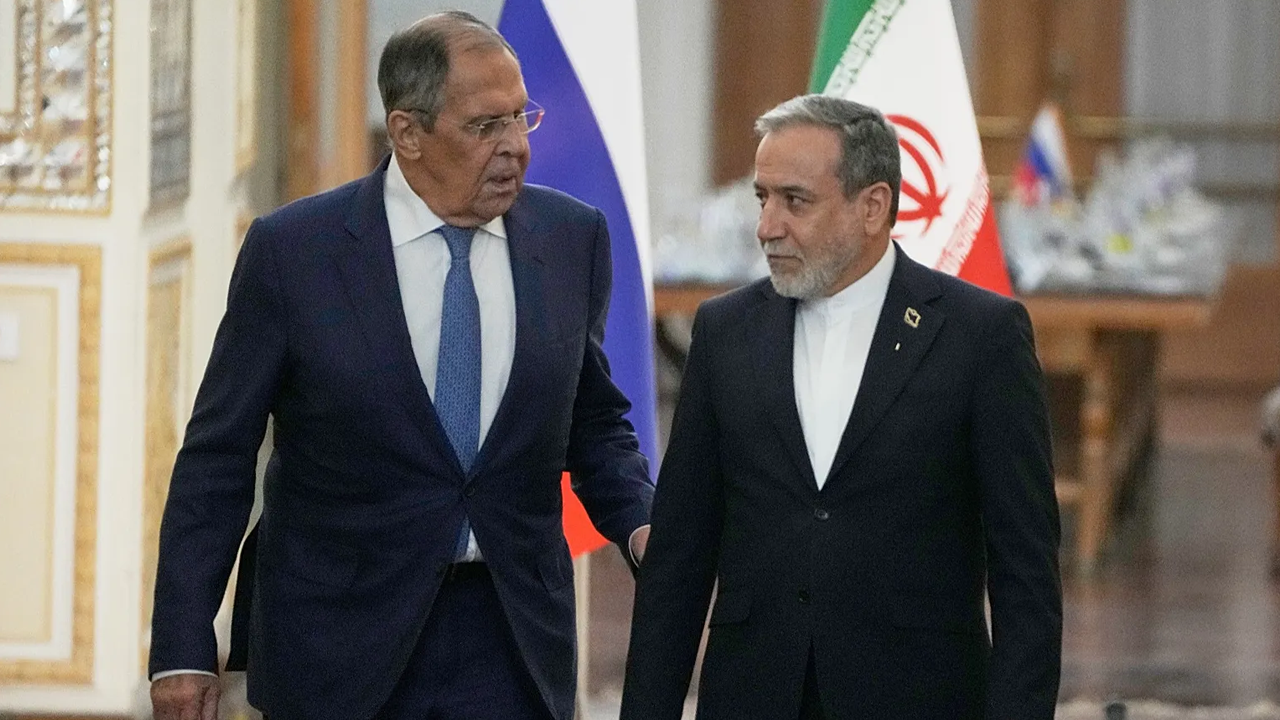
Darwin, October 20: Moscow has reaffirmed its full support for Tehran just hours after US President Donald Trump remarked that Russia was doing very little…

Darwin, October 19: Former Manchester City manager Pep Guardiola has urged the world not to forget the Palestinians in Gaza. In a video for the…