Oil Prices Rise in Global Markets on Fears of Middle East Supply Disruptions
Darwin, October 21: Oil prices rose in global markets on Wednesday as traders grew concerned about potential disruptions to oil supplies in the Middle East,…




Darwin, 02 June: Malaysia on Sunday expressed strong displeasure at Norway following the cancellation of a naval missile contract, criticizing the silence of influential countries over the matter.
According to Malaysian officials, the lack of response from major powers sends a “dangerous message” about the credibility and accountability of international agreements, AFP reported.
Earlier this month, diplomatic tensions arose between the two countries after Norway revoked approvals for certain technology exports.
Oslo stated that the move was not targeted at Malaysia. However, Kuala Lumpur is seeking over $251 million in compensation from the Norwegian company involved in the contract.
Speaking at a key defense forum in Singapore, Malaysia’s Defense Minister Mohammad Khaled Nordin said, “There has been no serious concern expressed over Norway’s unilateral decision. This extreme silence signals that some countries are above accountability.”
He further added that Malaysia believes there is a double standard in the application of international law, depending on whether the country is developing or powerful, or allied with a major power.
Norway clarified that the export approvals were revoked solely in line with its national export control regulations and that it cannot comment on specific contracts due to confidentiality agreements.
Malaysian Prime Minister Anwar Ibrahim also conveyed his “strong objection” over the decision during a phone call with Norway’s Prime Minister, calling it “unacceptable.”
Anwar warned that the decision could severely impact Malaysia’s defense operations and the modernization program of the Littoral Combat Ship (LCS) fleet.
The LCS program was first approved in Malaysia in 2011, initially involving the construction of six warships under a contract worth nearly 6 billion ringgit (about $1.5 billion).
Plagued by long-standing allegations of mismanagement and cost overruns, the project was reviewed by the government and relaunched in 2023, with the number of ships reduced from six to five.
According to local media citing officials, delays in supplying essential equipment and ongoing refurbishment work have pushed back the delivery of the first ship, originally scheduled for August, to December.

Darwin, October 21: Oil prices rose in global markets on Wednesday as traders grew concerned about potential disruptions to oil supplies in the Middle East,…

Darwin, October 21: Iran is prolonging negotiations with Washington in an attempt to politically weaken President Donald Trump ahead of the US midterm elections, according…

Darwin, October 21: Today is the auspicious occasion of Bijaya Dashami. The five-day Sharadiya Durga Puja, the biggest religious festival of the Hindu community, officially…

Darwin, October 20: Today is Maha Navami, the ninth day of Sharadiya Durga Puja. Members of the Hindu community will observe the day through religious…

Darwin, October 20: Protests and violence over the rising cost of living have erupted in Italy, one of Europe’s largest economies, following similar unrest in…

Darwin, October 20: US President Donald Trump has warned that protests and violence similar to those in France could spread across the United States if…
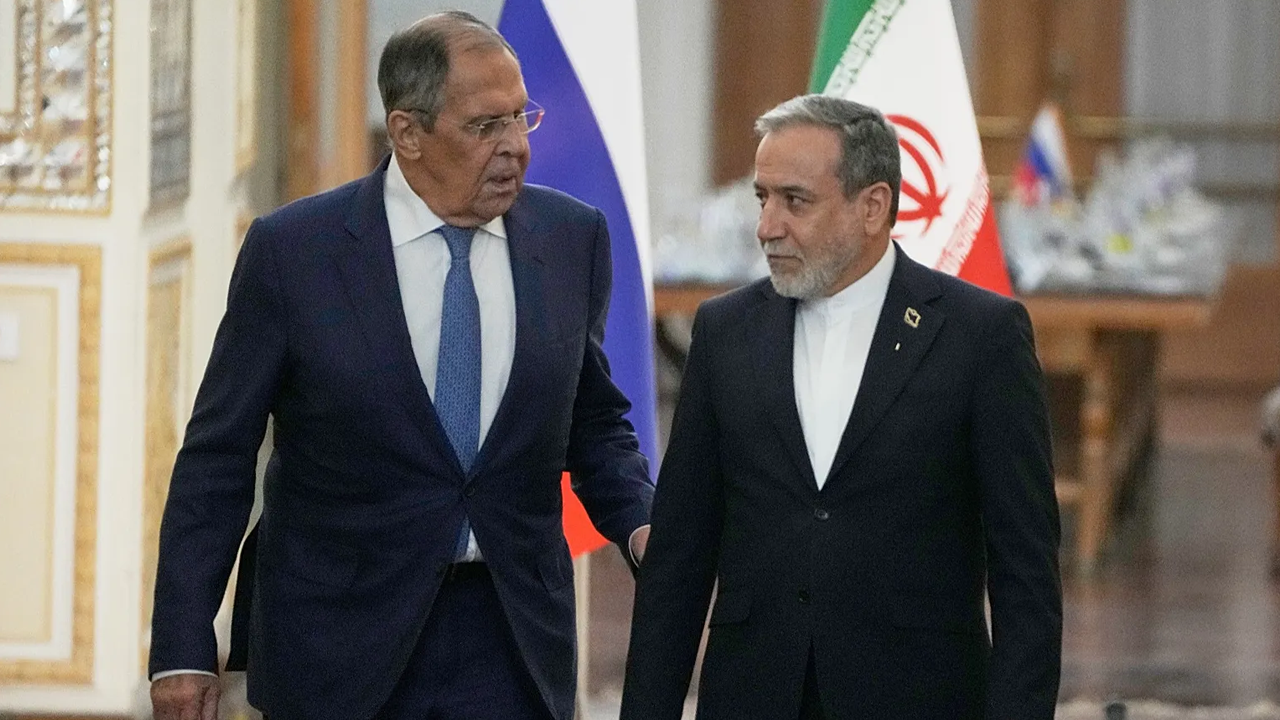
Darwin, October 20: Moscow has reaffirmed its full support for Tehran just hours after US President Donald Trump remarked that Russia was doing very little…

Darwin, October 19: Former Manchester City manager Pep Guardiola has urged the world not to forget the Palestinians in Gaza. In a video for the…