Oil Prices Rise in Global Markets on Fears of Middle East Supply Disruptions
Darwin, October 21: Oil prices rose in global markets on Wednesday as traders grew concerned about potential disruptions to oil supplies in the Middle East,…



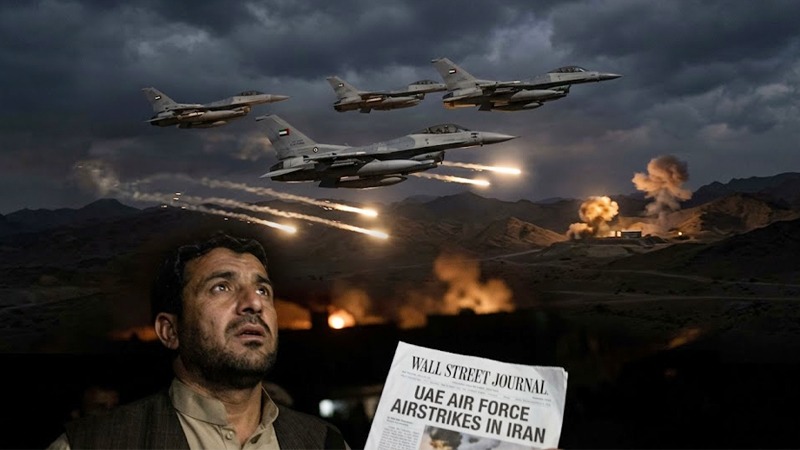
Darwin, 01 June : The United Arab Emirates (UAE) directly participated in military operations against Iran during the recent conflict involving Iran, Israel, and the United States, according to a controversial report published by The Wall Street Journal.
The report, released on Friday, claims that Abu Dhabi played a far more active role than previously known, acting not only as a supporter but effectively as a third major military partner alongside U.S. and Israeli forces. It further alleges that the UAE continued conducting military operations even after a ceasefire was announced in April.
Citing sources familiar with the matter, the newspaper reported that Emirati strikes were coordinated using intelligence provided by Washington and Israel. The alleged targets included several key Iranian energy and strategic facilities, such as the islands of Abu Musa and Kish near the Strait of Hormuz, the port city of Bandar Abbas, the Lavan Island refinery, and the Asaluyeh petrochemical complex.
According to the report, attacks on the Asaluyeh complex, conducted in coordination with Israel, sparked international criticism and prompted Washington to urge Israel to halt further strikes on Iran’s energy infrastructure.
Prior to the conflict, Gulf states had publicly stated that they would not allow their territories or airspace to be used for military operations against Iran. However, the report suggests that Abu Dhabi abandoned that position once hostilities began.
In response to the alleged attacks, Iran reportedly launched extensive missile and drone strikes targeting cities, airports, and energy facilities across the Gulf region. The report claims that the UAE endured more than 2,800 missile and drone attacks throughout the conflict.
The alleged Emirati involvement also exposed divisions among Gulf countries. In early April, Saudi Arabia reportedly expressed concerns to the United States that the UAE’s actions could trigger Iranian retaliation against regional energy infrastructure, potentially disrupting global oil markets and threatening the world economy.
According to the report, Riyadh urged Washington to pressure Abu Dhabi toward a diplomatic resolution and declined to join a coordinated military campaign against Iran. The decision reportedly caused tensions between Saudi Crown Prince Mohammed bin Salman and UAE President Sheikh Mohammed bin Zayed Al Nahyan.
The report further states that Iran’s retaliatory attacks inflicted significant economic damage on the UAE. Disruptions to air travel, a decline in tourism revenues, and a slowdown in the real estate sector reportedly affected major industries across the country.
Several companies have allegedly begun implementing mandatory leave policies and workforce reductions to cope with the economic downturn. By the end of April, stock markets in Dubai and Abu Dhabi had reportedly lost approximately $120 billion in market value, while aviation authorities were forced to cancel more than 18,400 flights due to wartime conditions.
The claims outlined in the report have not been independently verified, and no official responses from the UAE, Iran, the United States, or Israel were immediately available.
Source: Middle East Eye
Darwin, October 21: Oil prices rose in global markets on Wednesday as traders grew concerned about potential disruptions to oil supplies in the Middle East,…
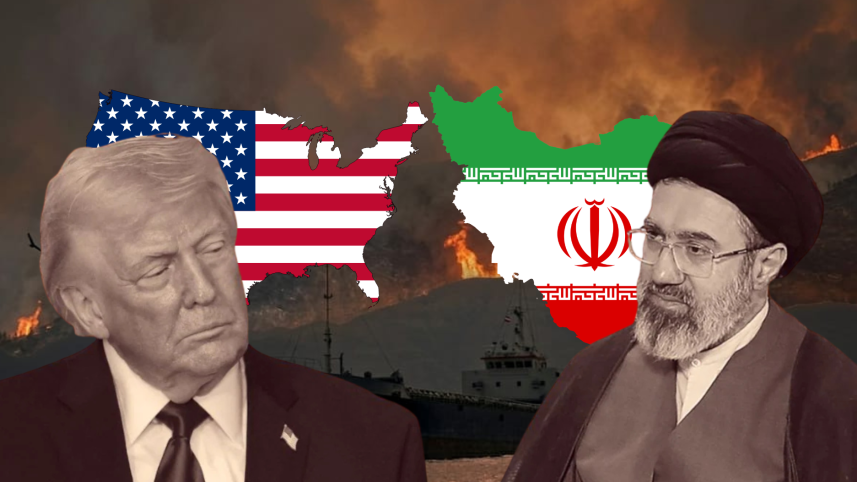
Darwin, October 21: Iran is prolonging negotiations with Washington in an attempt to politically weaken President Donald Trump ahead of the US midterm elections, according…

Darwin, October 21: Today is the auspicious occasion of Bijaya Dashami. The five-day Sharadiya Durga Puja, the biggest religious festival of the Hindu community, officially…

Darwin, October 20: Today is Maha Navami, the ninth day of Sharadiya Durga Puja. Members of the Hindu community will observe the day through religious…

Darwin, October 20: Protests and violence over the rising cost of living have erupted in Italy, one of Europe’s largest economies, following similar unrest in…
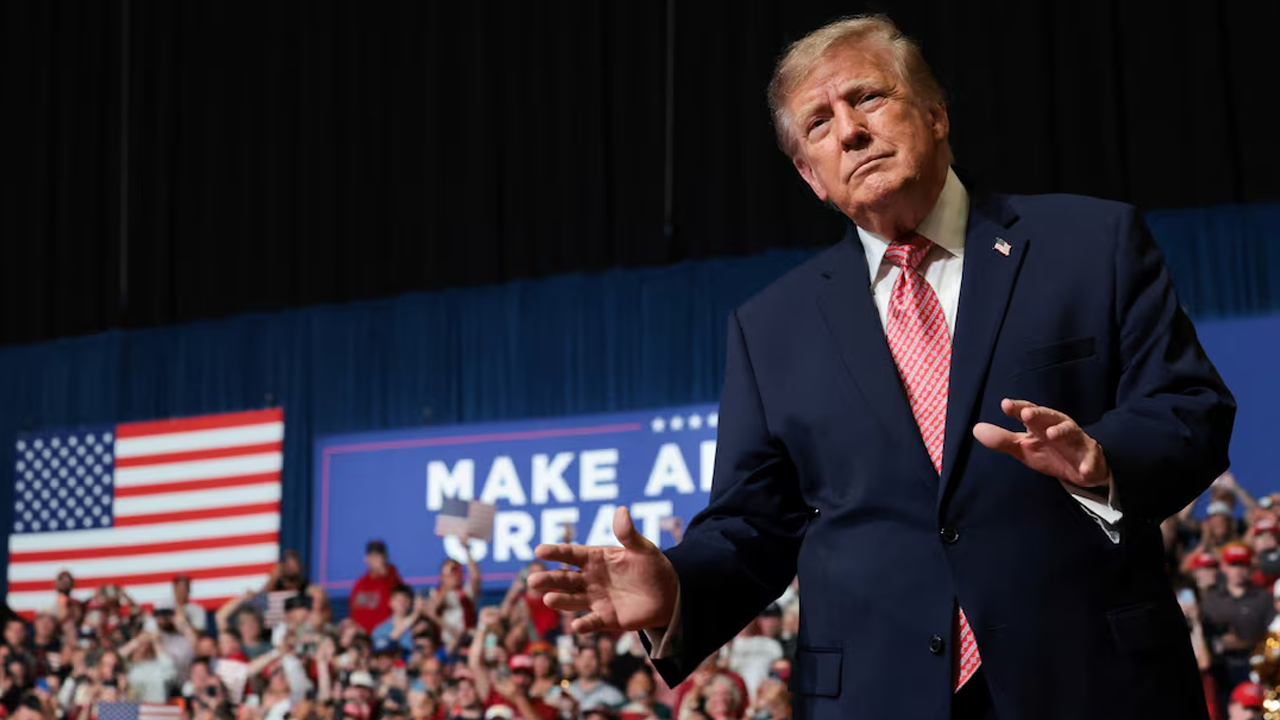
Darwin, October 20: US President Donald Trump has warned that protests and violence similar to those in France could spread across the United States if…
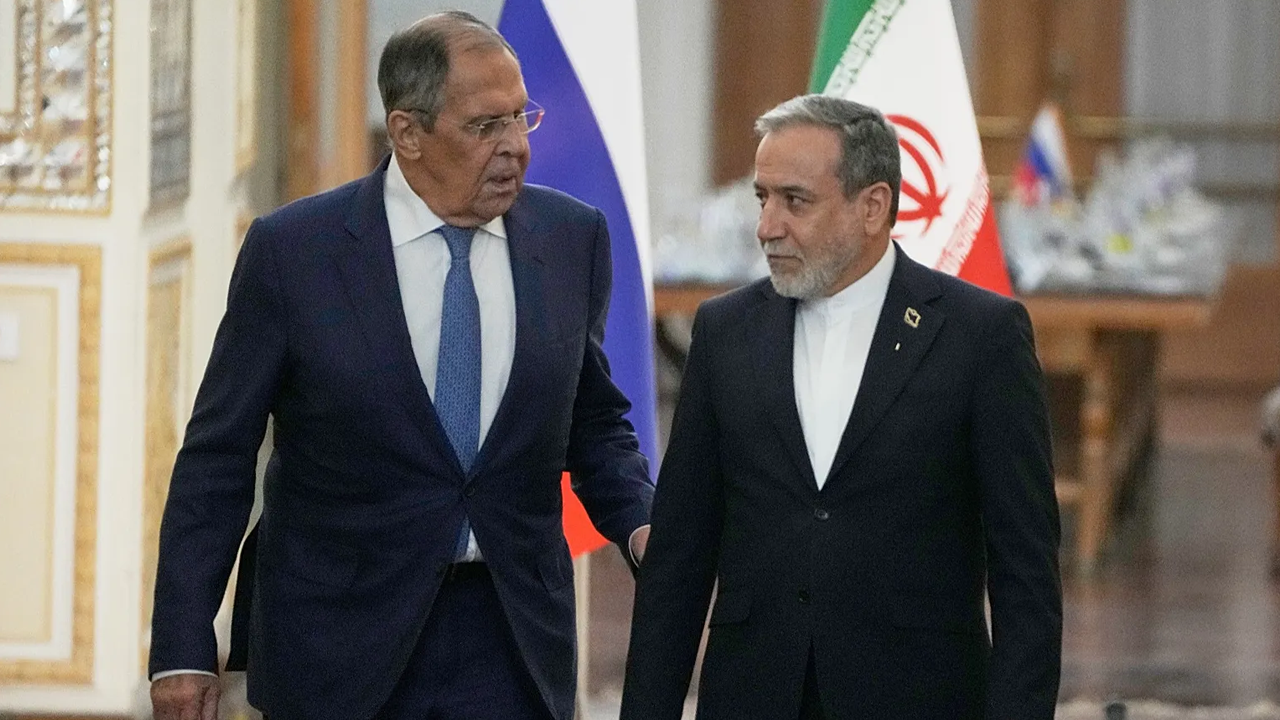
Darwin, October 20: Moscow has reaffirmed its full support for Tehran just hours after US President Donald Trump remarked that Russia was doing very little…

Darwin, October 19: Former Manchester City manager Pep Guardiola has urged the world not to forget the Palestinians in Gaza. In a video for the…