US Forces to Leave Iraq After Two Decades and 4,500 Military Deaths
Darwin, September 30 : The United States is preparing to withdraw its military forces from Iraq after more than two decades of war and the…



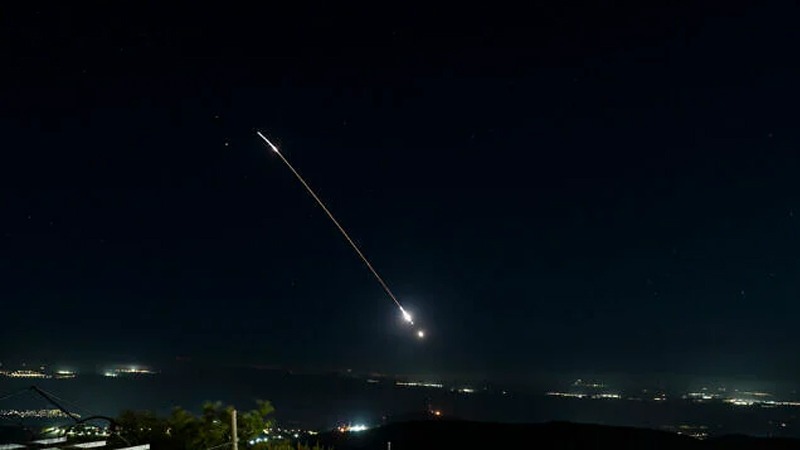
Darwin, 08 June : In response to an attack on Lebanon’s capital, Beirut, Iran launched several waves of large-scale missile and drone strikes on northern Israel, effectively breaking the ceasefire. This marks Iran’s first attack on Israel since the ceasefire agreement signed in early April between the United States, Iran, and Israel.
In a statement, Iran’s Islamic Revolutionary Guard Corps (IRGC) claimed responsibility for the attack, saying, “This operation is not an isolated incident but merely the beginning of weeks of strikes.”
Describing the attack as a “warning” to Israel, Iran accused both the United States and Israel of failing to fulfill the terms and commitments of the ceasefire agreement.
Iran stated that the action was taken in response to Israeli aggression in Lebanon and warned that any further acts of aggression by Israel would be met with a much more severe response.
The Revolutionary Guards claimed they had fired ballistic missiles at the Ramat David Airbase, located southeast of Haifa.
The IRGC further stated, “Waves of missiles and drones will continue until the enemy ceases its crimes. Any retaliatory strike against Iranian territory will be met with a devastating response.”
Earlier, following a ceasefire brokered by the United States and signed last week, Israel carried out a major airstrike in southern Beirut.
According to Lebanon’s Ministry of Health, the twin airstrikes targeted two multi-story residential buildings in the Dahieh district, a stronghold of the Iran-backed Hezbollah movement, killing at least two people, including women and children, and injuring 20 others.
Israeli Prime Minister Benjamin Netanyahu defended the attack, saying, “The strike on targets in Beirut was a response to Hezbollah rocket attacks on Israeli territory.” Hezbollah also confirmed that it had launched retaliatory attacks against Israeli military positions.
Following the Israeli strike on Beirut, the Israel Defense Forces (IDF) announced that they were preparing for the possibility of a major retaliatory attack at any moment.
Just hours later, Tehran altered the dynamics of the battlefield by launching successive missile attacks on northern Israel.
Meanwhile, Washington and international mediators have begun urgent diplomatic efforts to prevent the conflict from escalating into a broader regional war.
U.S. President Donald Trump has urged Israeli Prime Minister Benjamin Netanyahu not to carry out any retaliatory strikes or acts of revenge. At the same time, he has called on Iran to return to the negotiating table as quickly as possible.
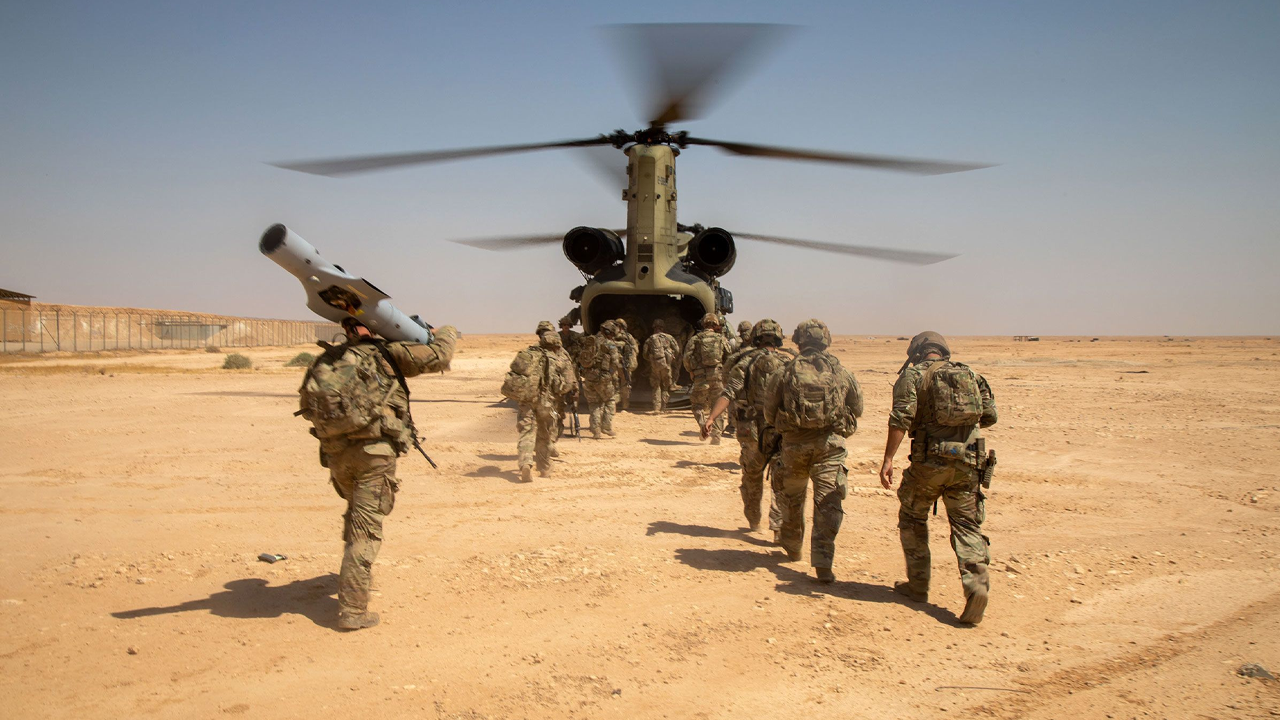
Darwin, September 30 : The United States is preparing to withdraw its military forces from Iraq after more than two decades of war and the…
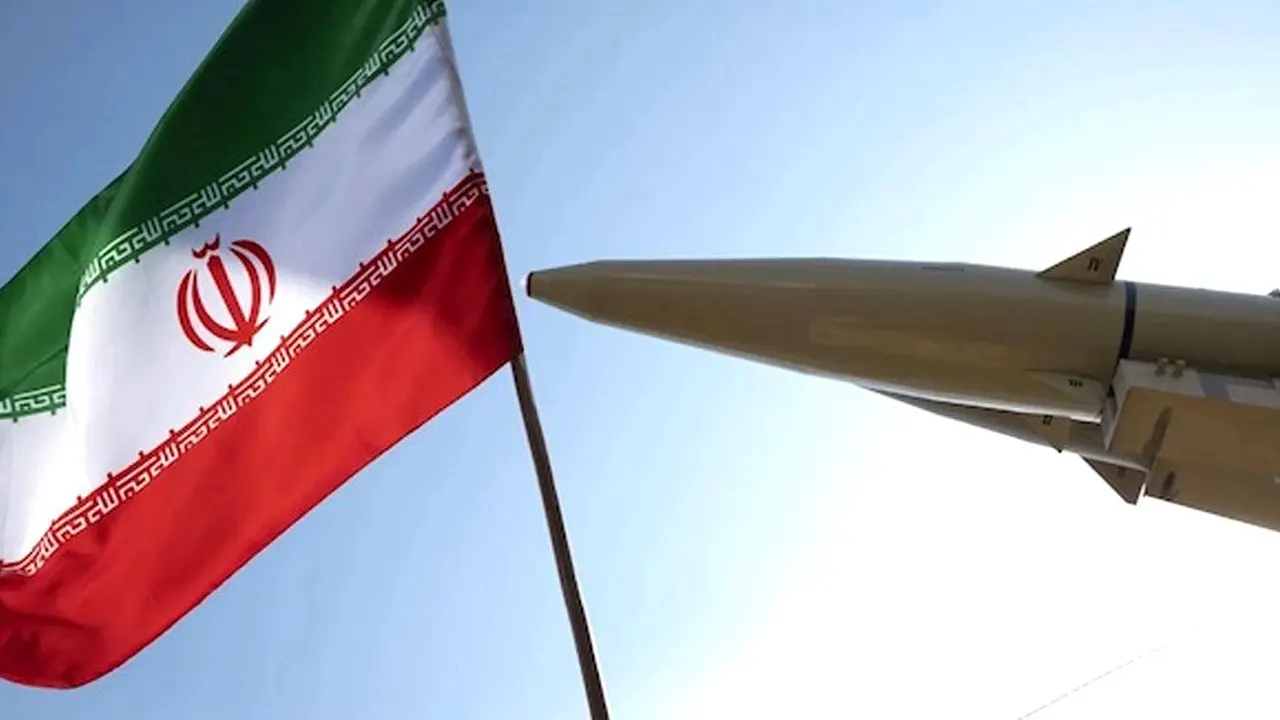
Darwin, September 30: Russia has urged Iran not to withdraw from the Treaty on the Non-Proliferation of Nuclear Weapons (NPT), calling on Tehran to remain…
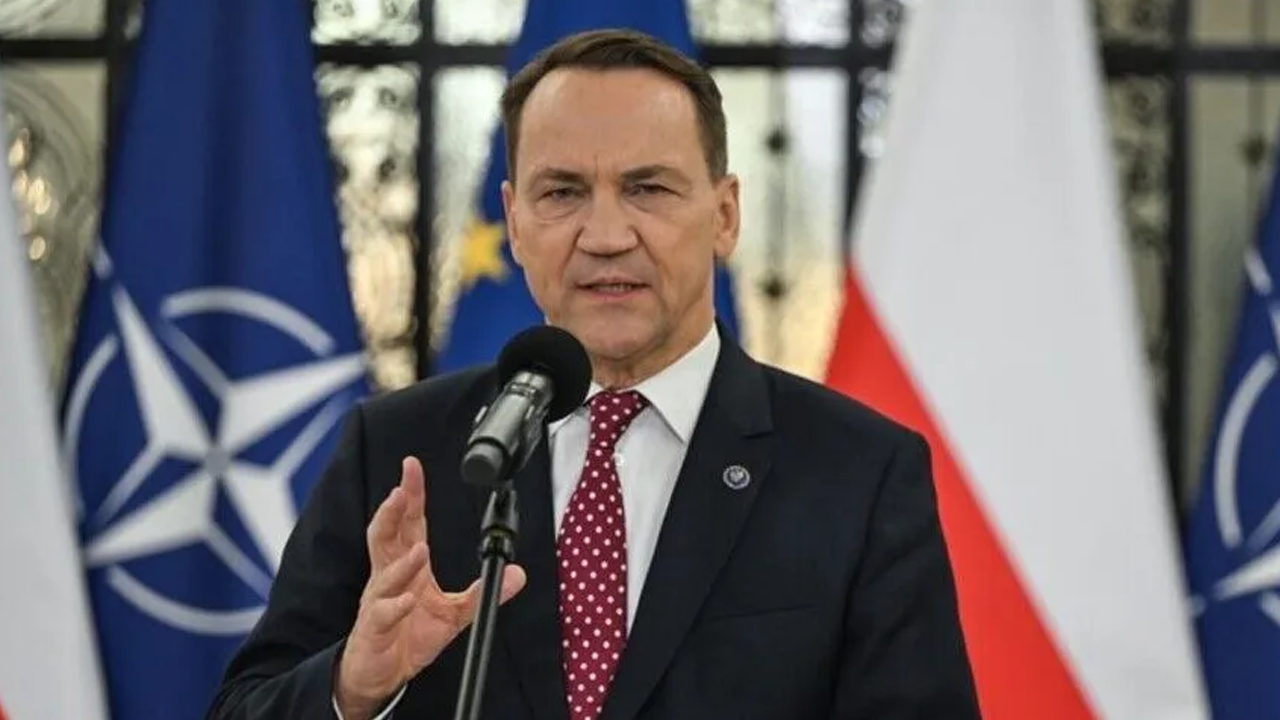
Darwin, September 30: Russia currently lacks sufficient military capability to launch a major attack against NATO because its forces are engaged in the war in…
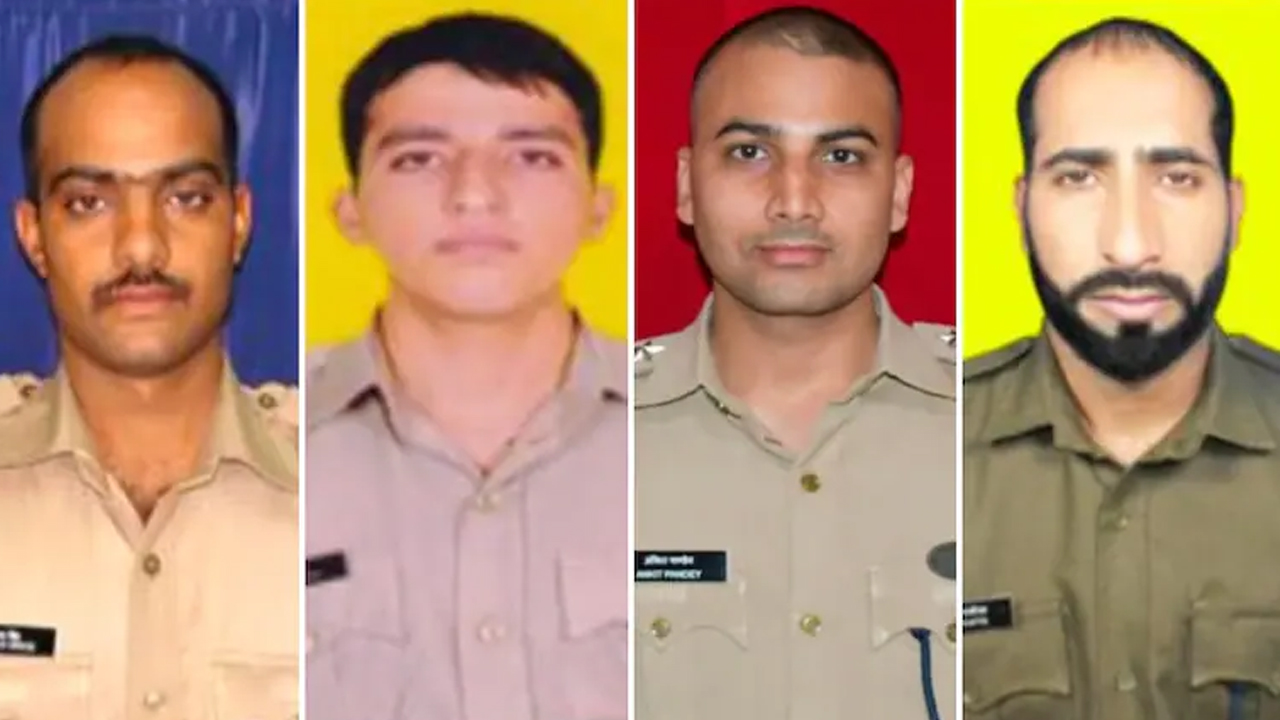
Four personnel of India’s Central Industrial Security Force (CISF), including an officer, were killed after a colleague allegedly opened fire on them at a hydropower…

Darwin, September 25: The Netherlands is seeking to build an international coalition to evacuate at least 1,000 sick and injured children from Gaza for medical treatment,…

Darwin, September 25: Police arrested at least 100 people, including Oscar-winning actress Susan Sarandon, during a protest against Israeli Prime Minister Benjamin Netanyahu outside the…
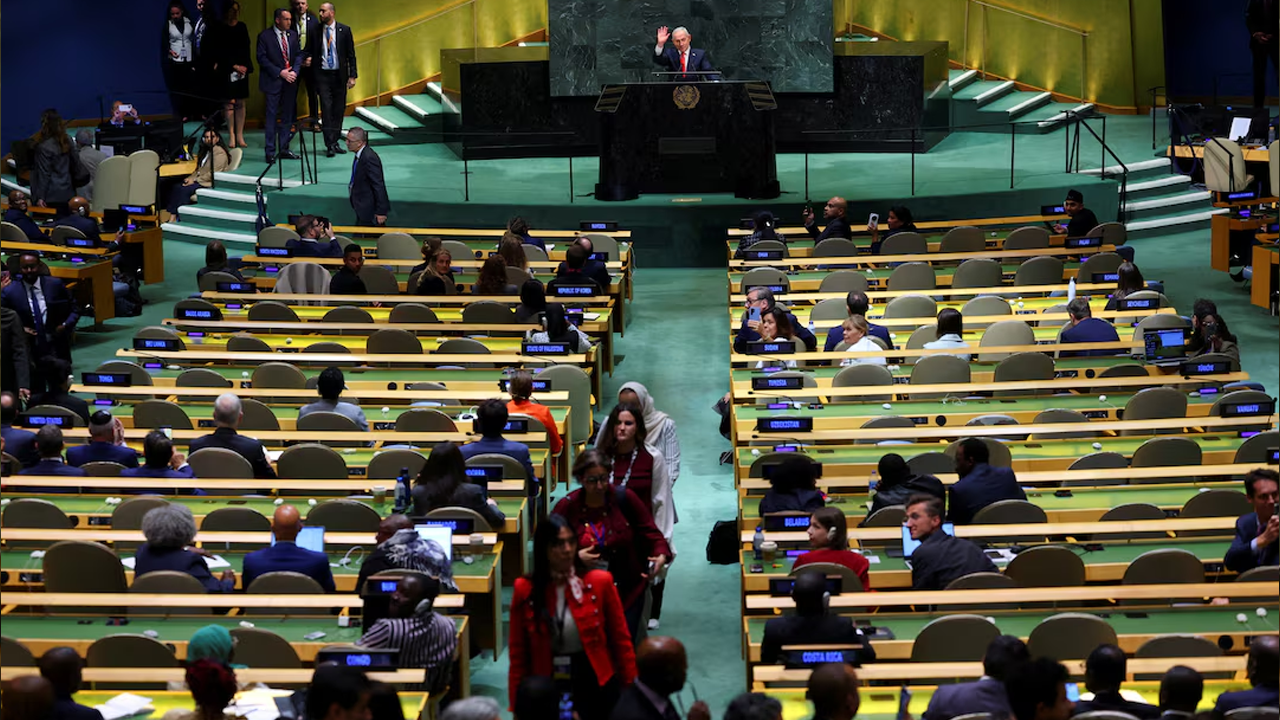
Darwin, September 25: Representatives from Bangladesh and 76 other countries walked out of the United Nations General Assembly hall as Israeli Prime Minister Benjamin Netanyahu…
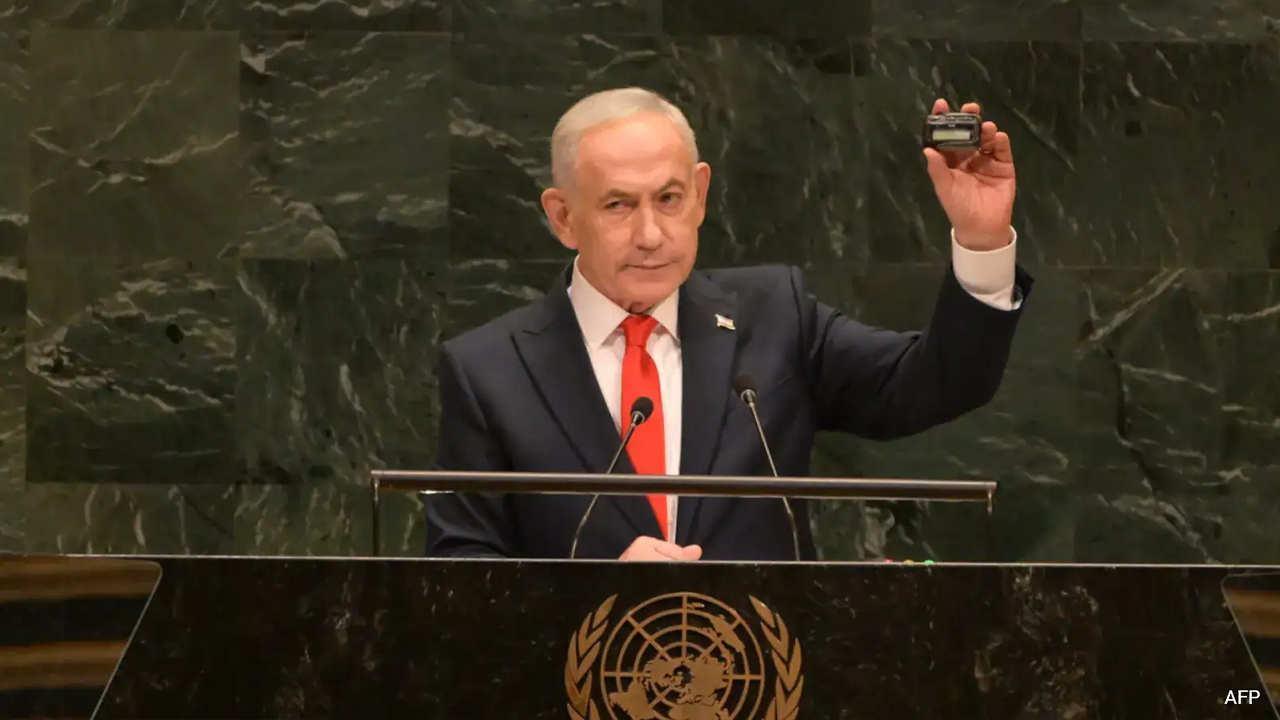
Darwin, September 25 : Israeli Prime Minister Benjamin Netanyahu brought a pager to the United Nations General Assembly while delivering a speech, using it to highlight…