Navi Pillay, Who Fought for Gaza, Wins Nobel Peace Prize
Darwin, October 09: Navanetham “Navi” Pillay, a South African jurist who led a United Nations investigative commission that described Israel’s actions in Gaza as genocide,…



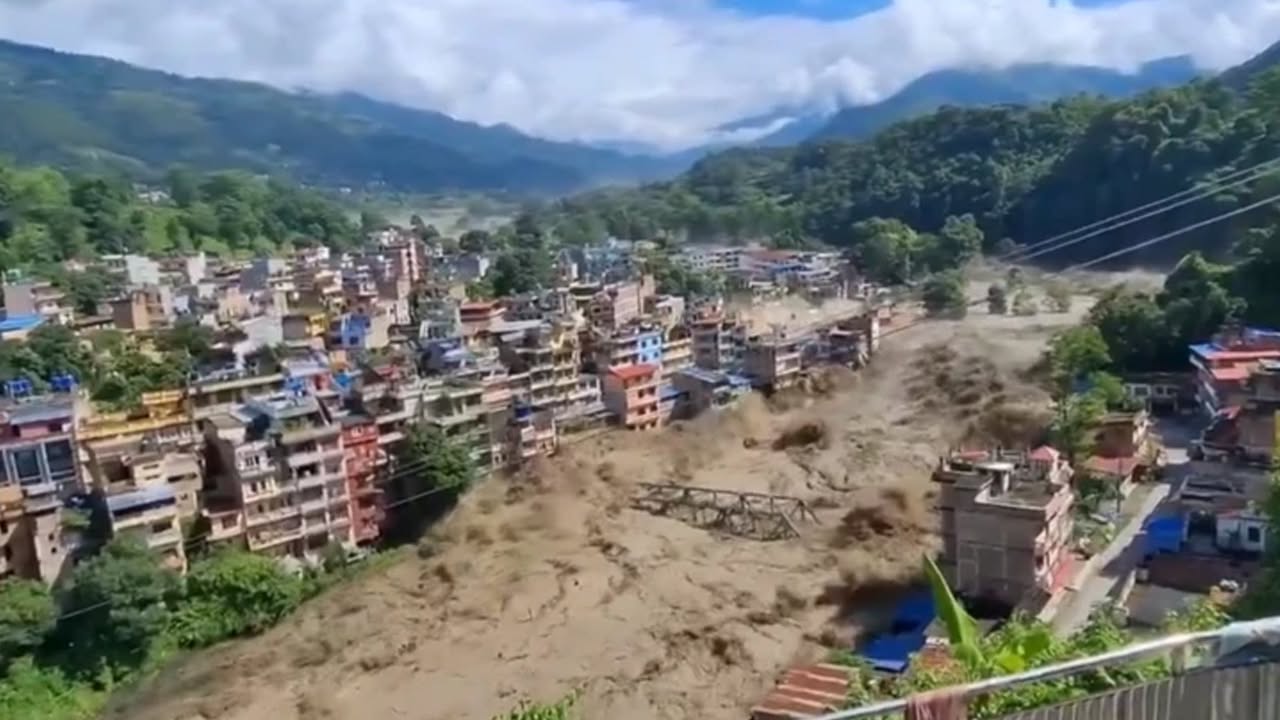
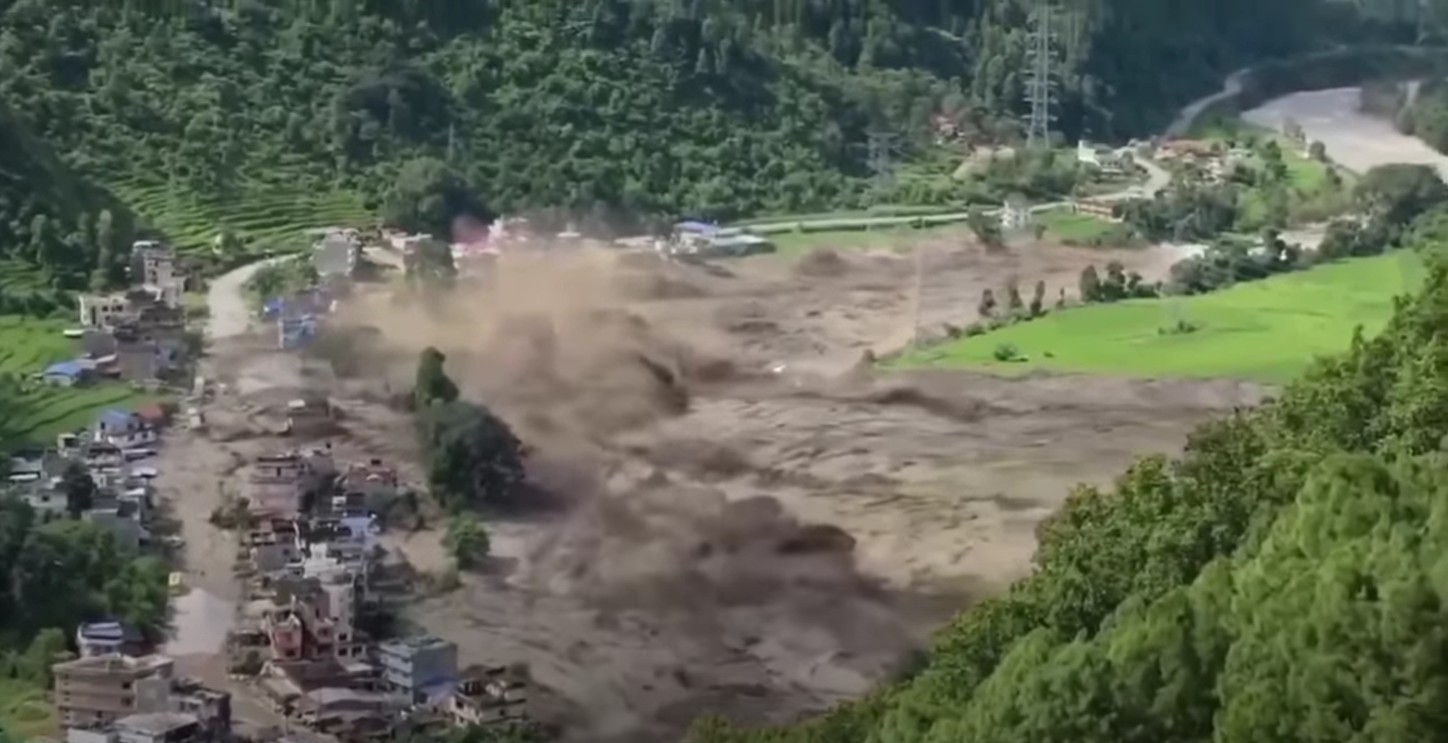
Darwin, August 27 : At least 157 people have been killed and another 403 remain missing following sudden floods and landslides in Nepal. Most of the missing are reportedly foreign tourists. The flash floods and landslides struck Rasuwa in the central Bagmati Province and several neighboring districts on Wednesday.
According to information released by Nepal Police up to 8:30 p.m. local time, 157 bodies had been recovered from the affected areas. Of these, one was recovered in Rasuwa, 11 in Nuwakot, 18 in Dhading, 33 in Chitwan, 19 in Gorkha, seven in Tanahun and 11 in Nawalpur.
According to the Nepal Tourism Board, 341 of the 403 missing people are foreign nationals. Among them are 133 Indians, 47 Americans and 33 British citizens. The missing include 200 women and 203 men. Authorities believe citizens of 26 countries are among those missing. At least 61 Nepali nationals are also missing.
Citing tour operators, the Tourism Board said most of those missing were traveling toward Mount Kailash and Lake Manasarovar, a pilgrimage destination near the India-Nepal border.
A local man, Raju Bhadel, 56, said, “My brother-in-law called me this morning. They were crying and said their entire house had been swept away by the flood. Three members of the family were rescued, but his brother is still missing.”
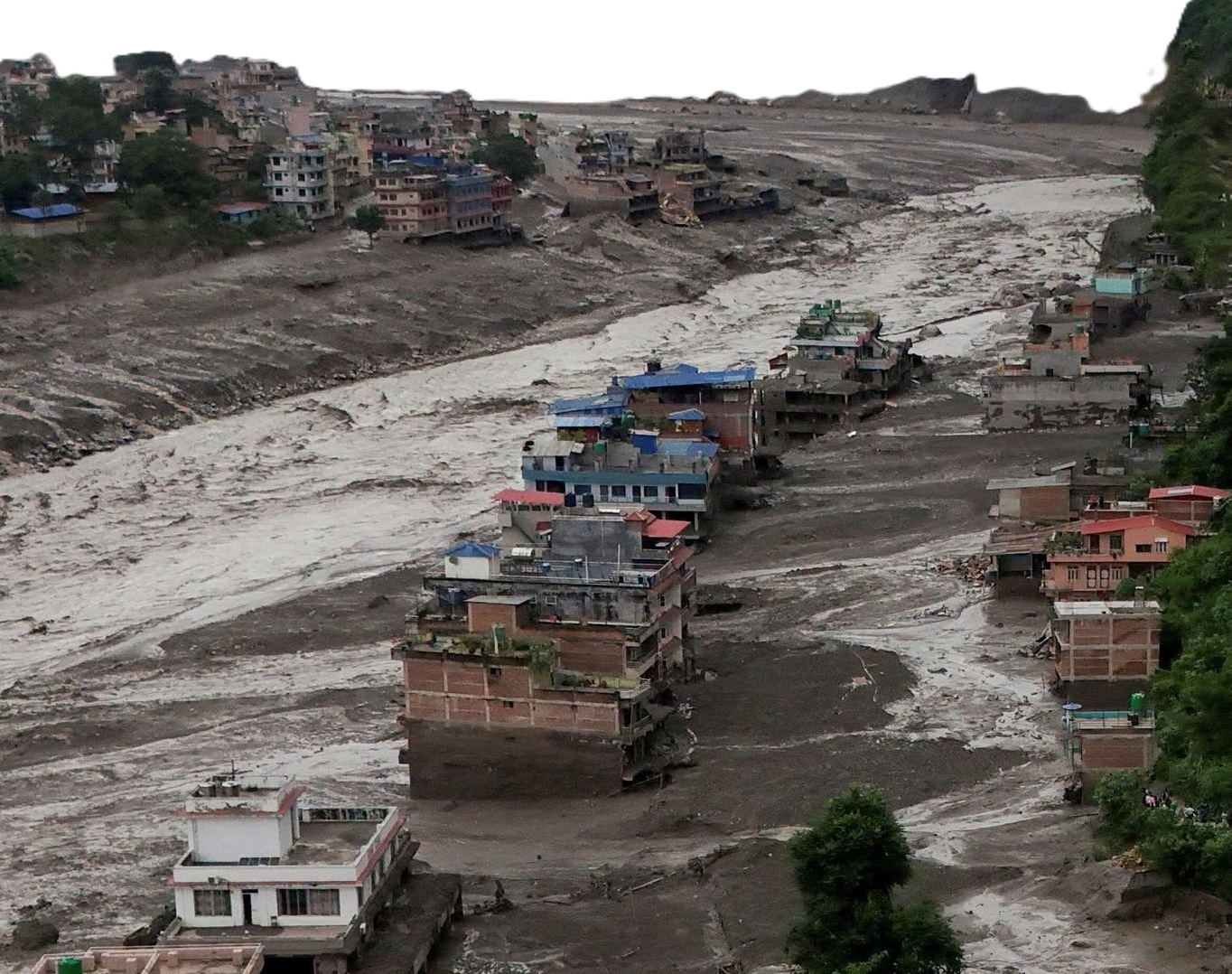
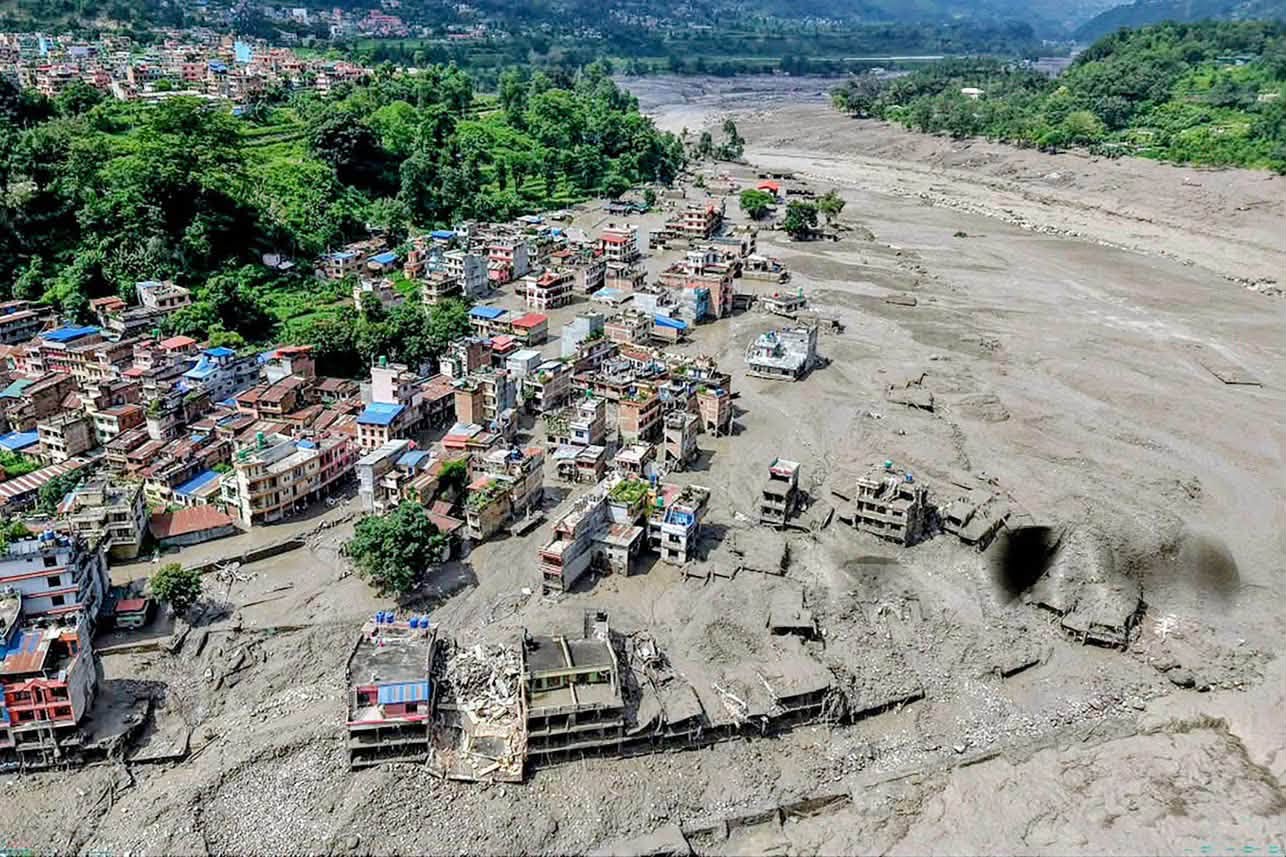
Images released by Nepal Police showed houses being swept away by powerful currents. Photographs by AFP showed only the upper portion of a house visible above thick mud.
Nepal’s electricity authority said around 430 megawatts of power-generation capacity, including hydropower and solar power, had been affected. In a statement, the authority said power-generation, transmission and distribution infrastructure had been damaged, disrupting electricity supplies.
A local police spokesperson told AFP that the full extent of the damage was not yet clear. However, authorities warned residents living along riverbanks to move to safer areas. The Nepal Army said it had deployed helicopters and disaster-response personnel to the affected areas.
Meanwhile, China’s state broadcaster CCTV reported that three people had died in the flash floods in Gyirong, Tibet, while at least 265 people remained missing.
Chinese state media reported “heavy casualties” following landslides at a Tibetan trading hub near the Nepal border. Chinese President Xi Jinping ordered an “all-out” rescue operation to locate those missing.
The floods and landslides are being described as Nepal’s biggest natural disaster since the devastating 2015 earthquake. The exact cause of the sudden flooding and landslides has not yet been confirmed. However, Nepalese officials said the disaster began shortly after an earthquake in the Tibetan region on Wednesday.
Nepal’s Foreign Minister Shishir Khanal told parliament that the earthquake struck at 8:37 a.m. local time. Three minutes later, at 8:40 a.m., the flash floods began. “However, this needs to be verified,” he said.
According to the U.S. Geological Survey, the earthquake in the Tibetan region had a magnitude of 4.4. Its epicenter was located 47 kilometers north of Nepal’s Gosaikunda Lake.
Deadly floods and landslides frequently occur across South Asia during the monsoon season from June to September. Scientists say climate change is increasing both the frequency and severity of extreme weather events in the region.
Chiangong Zhang, head of the Climate and Environmental Risks Division at the Kathmandu-based International Centre for Integrated Mountain Development (ICIMOD), warned that another flood could occur soon. He told AFP that blockages had formed upstream along rivers near the Nepal-China border, raising the risk of a second wave of flooding.
Prime Minister Balendra Shah said he was deeply saddened by the deadly flash floods. In a social media post, he said the entire nation was shocked and deeply grieved by the loss of life and damage to property. He described the disaster as “sudden” and “devastating.”
Shah said the government had immediately mobilized all available resources and capabilities to begin rescue operations without delay.
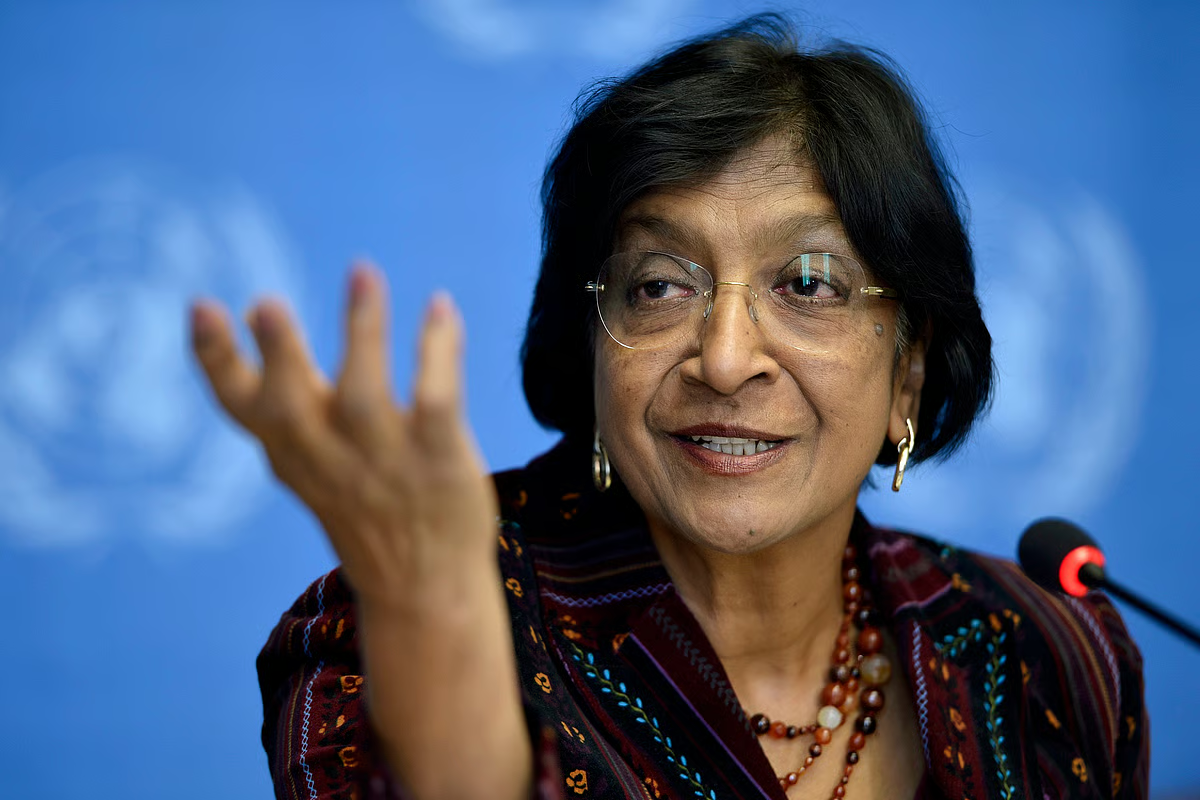
Darwin, October 09: Navanetham “Navi” Pillay, a South African jurist who led a United Nations investigative commission that described Israel’s actions in Gaza as genocide,…

Darwin, October 08: U.S. President Donald Trump said on Wednesday that he deserves to win the Nobel Peace Prize, while expressing doubts that he would…
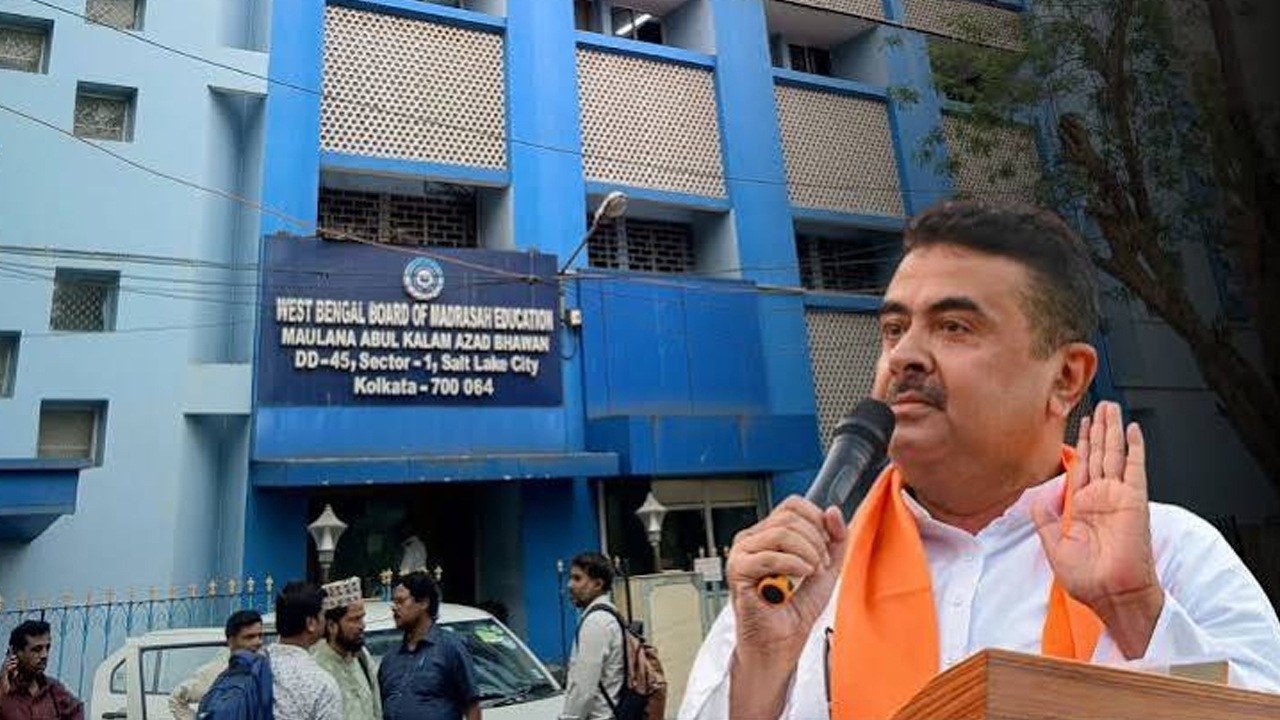
ডারউইন, অক্টোবর ০৮: ভারতের পশ্চিমবঙ্গ রাজ্যে শিক্ষা ব্যবস্থায় বড়সড় বদলের খবর জানালেন মুখ্যমন্ত্রী শুভেন্দু অধিকারী। তার মতে, শিক্ষক নিয়োগে সমতা আনতে পশ্চিমবঙ্গ রাজ্যে আনুষ্ঠানিকভাবে বিলুপ্ত…

Darwin, October 07: Lionel Messi’s final match in international football, if this indeed was his last, was just like the man himself—filled with goals, assists, and…

Darwin, October 07: Russia has finalized preparations to provide Iran with a $1 billion loan. The funds will be transferred once Tehran provides the necessary…
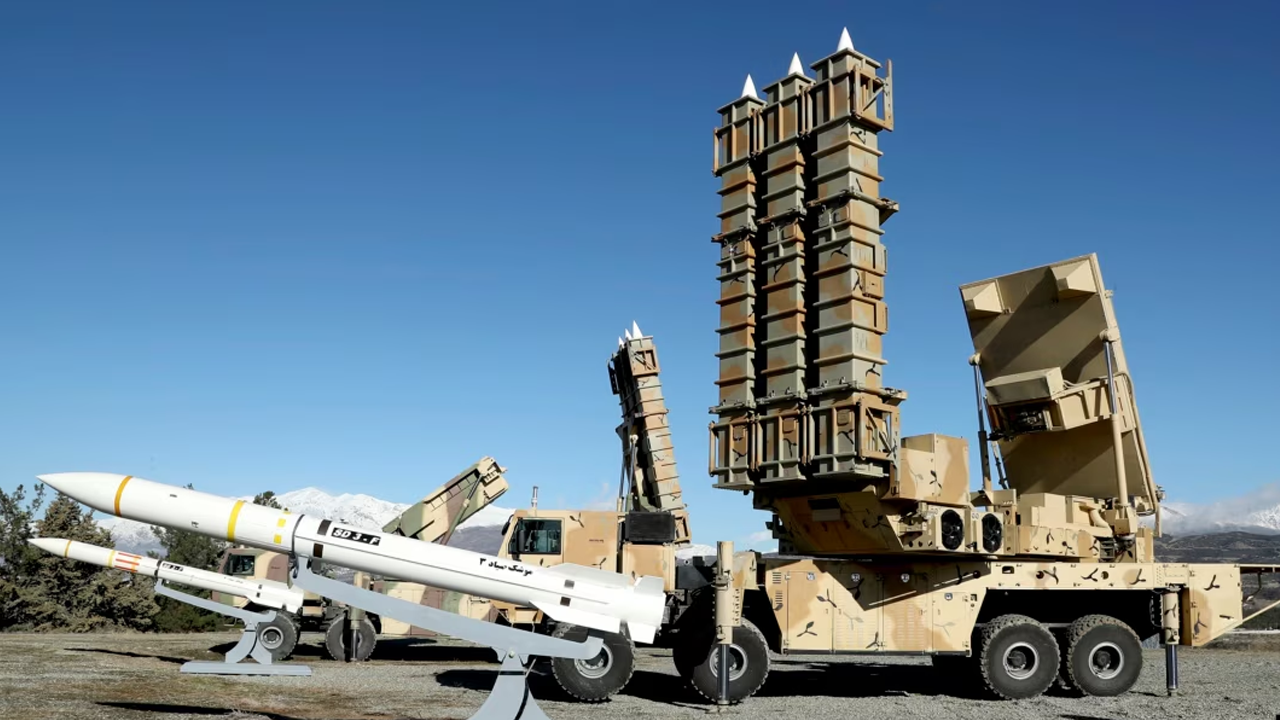
DARWIN, October 7: Iran has warned that it will deliver a stronger response if the United States or Israel launches another attack. The country also…

Darwin, October 05: Deaths in Australia are expected to outnumber births by the 2060s, according to a government report, marking a demographic milestone that countries…

Darwin, October 04: Ten people, including three children, have been injured after a car crashed into a crowd of rugby league fans in Newcastle, eastern…