Pritom Hasan and Shehtaz Monira End 10-Year Relationship, Move Towards Divorce
Darwin, October 05: Popular Bangladeshi singer and actor Pritom Hasan and model-actress Shehtaz Monira Hashem have decided to end their marriage after a decade together,…



Darwin, August 31 — The beginning of university life is usually painted in dreams, freedom, and new possibilities. However, the reality is very different. More than half of the students in Bangladesh’s universities are currently suffering from depression and various mental health issues.
This information has been shared by the private organization Anchal Foundation.
On Saturday, the organization held an online press conference titled “Mental Health of University Students Affected by Discrimination”, where the survey results revealed this concerning picture.
The survey was conducted by the organization following the 2024 anti-discrimination student movement, aiming to understand the true state of discrimination in educational institutions. Between March and May of this year, the foundation collected feedback and experiences from university students through online forms.
Experiences of Discrimination
The survey found that students face various types of discrimination. Some experience gender-based discrimination, while others face discrimination due to religion, economic status, political views, physical appearance, or ethnicity. Some students with physical disabilities also reported being discriminated against.
This discrimination mostly occurs in university classrooms. It also takes place in student hangouts, halls or dormitories, university events, and even on transportation. Social media, too, has become an unsafe space where both men and women face discrimination.
Who is Perpetrating the Discrimination?
Most students reported that their peers are the ones who engage in discriminatory behavior. Besides students, teachers, university administration, and even third- and fourth-class staff have been reported as perpetrators of discrimination.
Mental Health Impact
Such experiences are having a severe impact on students’ mental health.
Many of the students who participated in the survey mentioned that they suffer from depression, anxiety, loneliness, and low self-esteem. Some have developed sleep issues, while others are prone to panic attacks.
As a result of these mental health struggles, it has become challenging for students to concentrate on their studies. Some are even unable to attend classes regularly.
Reluctance Towards Mental Health Support
Despite facing mental health issues, most students have not sought any kind of medical treatment or counseling. They say they are unaware of where to find such services. Moreover, social taboos and embarrassment prevent many from seeking help. For some, financial constraints have also been a significant barrier. Only a few students have received counseling or therapy, and while their experiences were positive, the number remains very low.
Lack of Mental Health Services at Universities
Students surveyed have pointed out that their universities lack sufficient mental health services. Although a few institutions stand out, the majority of educational establishments in the country have a noticeable shortage of such support.
Anchol Foundation’s Proposals
In the press conference, Anchol Foundation proposed seven recommendations to safeguard students’ mental health. These include:
Ensuring mentoring by mental health professionals at every university.
Conducting mental health checks for students every six months.
Establishing monitoring teams to prevent discrimination and harassment, alongside strict law enforcement.
Setting up complaint boxes and separate complaint cells for female students.
Strengthening relationships between students and teachers.
Launching career counseling centers.
Ensuring easily accessible mental health services at all educational institutions.
The press conference featured speeches by Tansen Roz, Founder of Anchol Foundation, Sibtullah Sibhga, Executive Editor of Perspective, and communication expert Mohammad Sohel Mamun.

Darwin, October 05: Popular Bangladeshi singer and actor Pritom Hasan and model-actress Shehtaz Monira Hashem have decided to end their marriage after a decade together,…
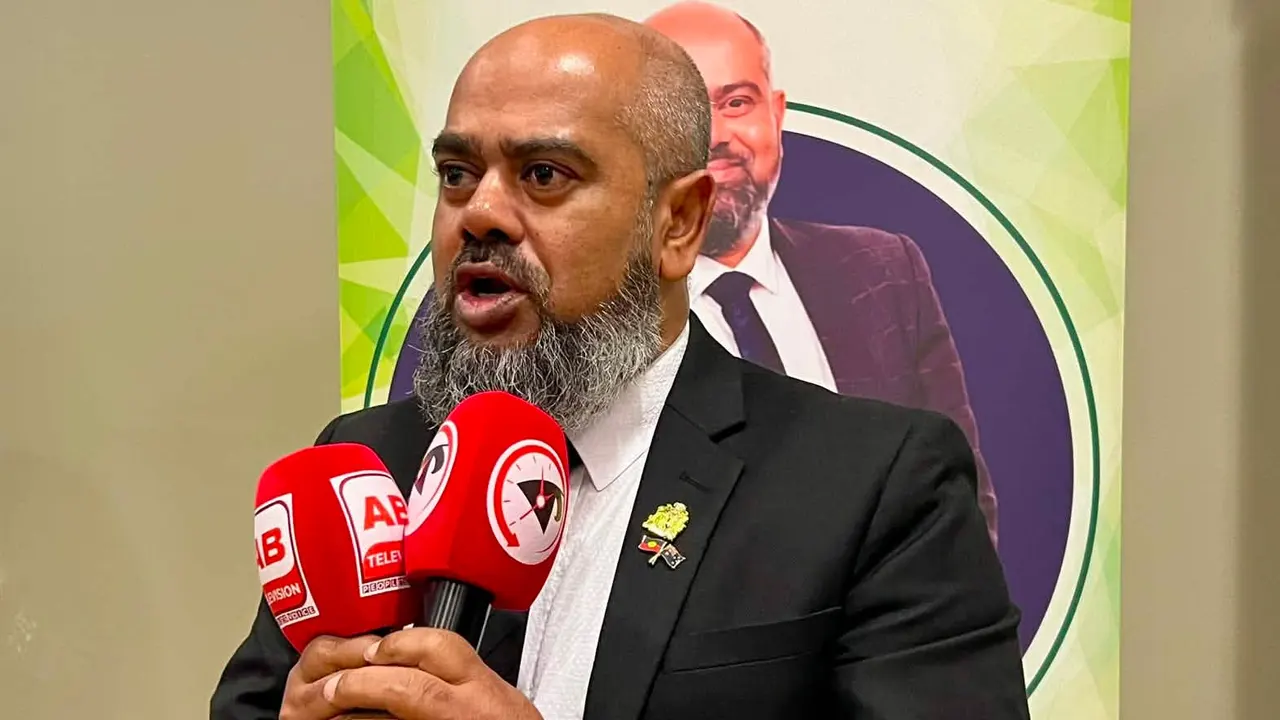
Darwin, September 06: Bangladeshi-Australian community leader and Campbelltown City Councillor and former Deputy Mayor Mohammad Ibrahim Khalil Masud has formally announced his candidacy for the…

Dhaka, September 6: One of the largest Pir-Mashaikh conferences was held in the capital Dhaka, bringing together around 3,000 delegates from home and abroad, including representatives…
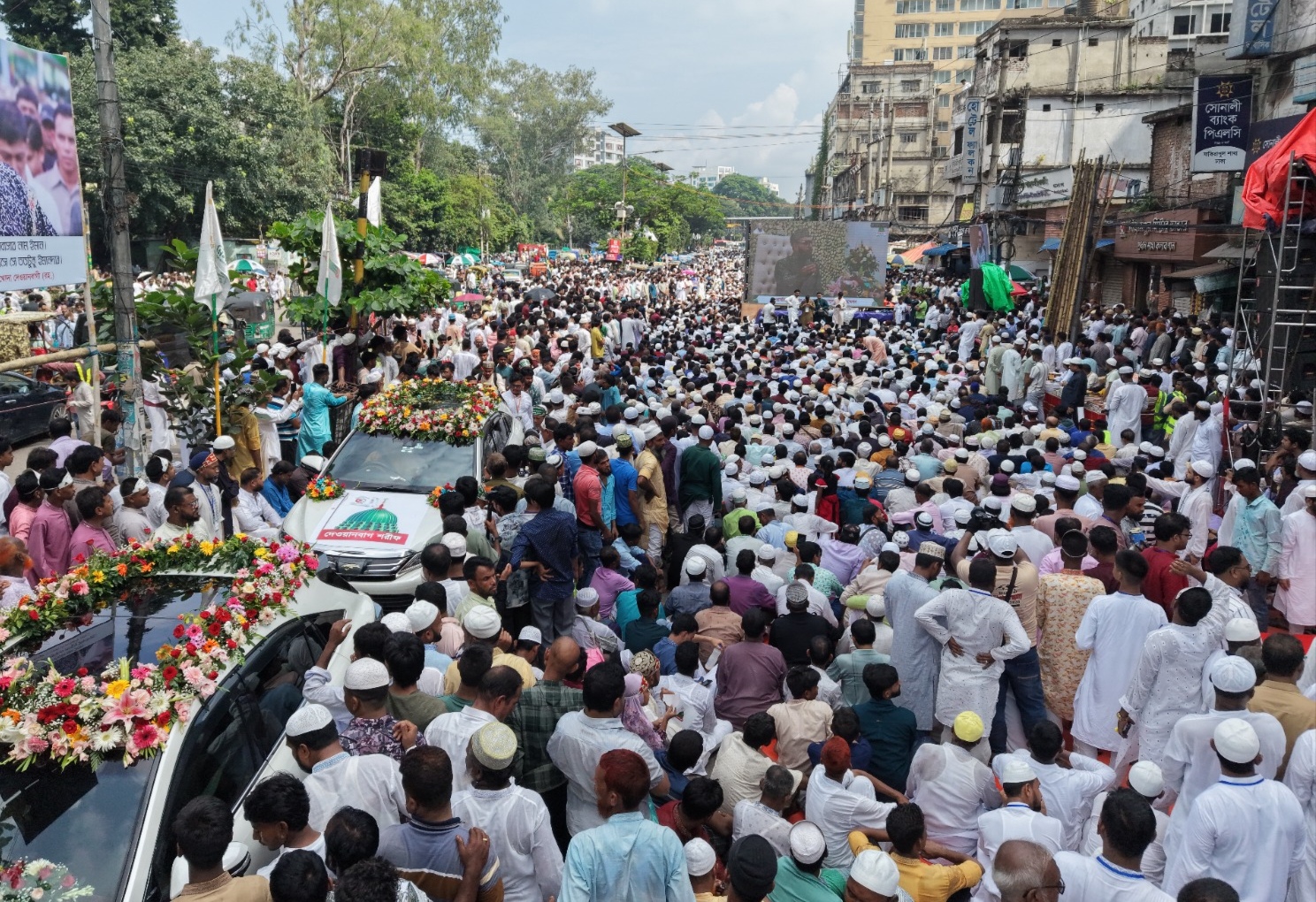
Darwin, August 27: More than 100,000 devotees took part in a colourful rally in Dhaka to mark the 1,501st birth anniversary of Prophet Muhammad (PBUH),…
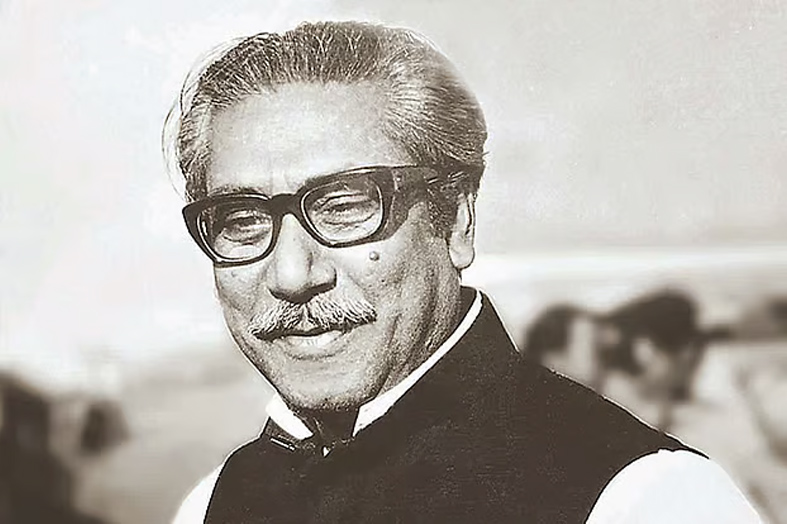
Darwin, August 15 : The death anniversary of Bangabandhu Sheikh Mujibur Rahman, the architect of independent Bangladesh, is being observed today, August 15. On this…

Darwin, 15 August : The United Nations has expressed concern over attempts to establish cells of al-Qaeda in Bangladesh. The concern was raised in a…
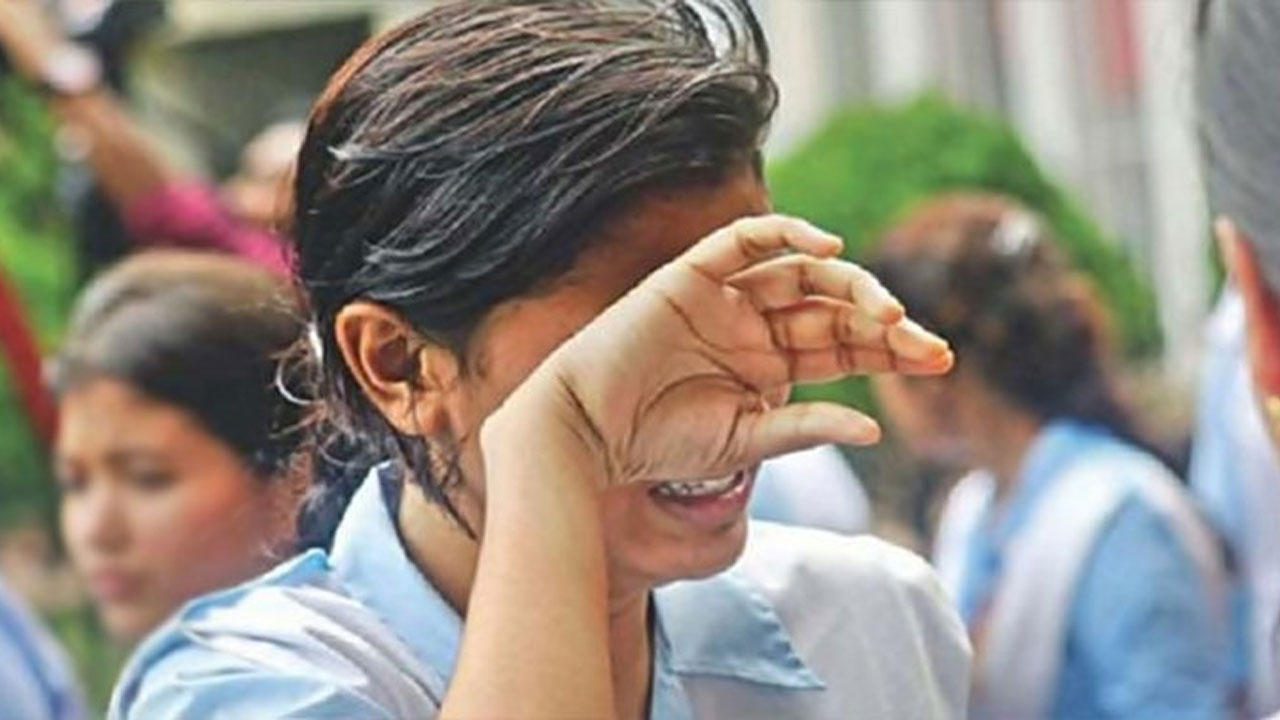
Darwin, August 10: The pass rate in this year’s Secondary School Certificate (SSC) and equivalent examinations in Bangladesh has fallen to 62.25 percent, the lowest…

Darwin, August 10: Sixteen Bangladeshi workers have died in a devastating fire at a sofa factory in the Musa Sanaya area of Riyadh, the capital…