Darwin, 29 Octobor—
In Muslim-majority Bangladesh, a religious cleric known as Mufti Muhibbullah has been accused of staging his own abduction and falsely blaming the International Society for Krishna Consciousness (ISKCON) — a Hindu religious organization — in what investigators describe as a deliberate attempt to stir communal tension.
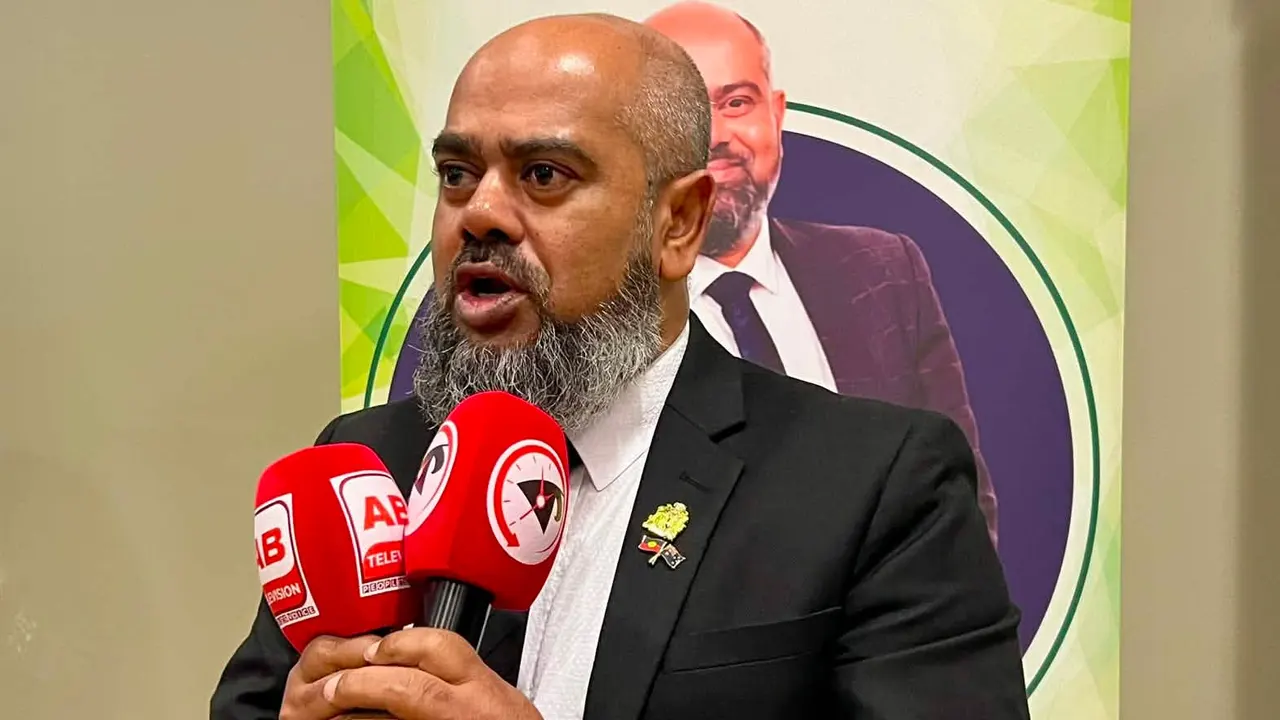
Mufti Muhammad Muhibbullah Miaji, a 60-year-old imam of the T&T Colony Jame Mosque in Tongi, Gazipur, claimed to have been kidnapped earlier this month. But police later revealed the “abduction” was a fabricated drama orchestrated by the cleric himself. The revelation has sparked widespread public outrage across the country.
Officials say the case exposes not only a personal deception but also a calculated effort to create religious polarization in an already sensitive social climate.
What happened
On October 22, social media posts claimed that Mufti Muhibbullah had been abducted from the Shilmuns area of Tongi while heading to morning prayers. His family alleged that he was forced into an ambulance by unknown assailants. The news spread rapidly online, triggering anger and confusion.
The next morning, he was reportedly “found” in Boda, a subdistrict of Panchagarh in northern Bangladesh. Upon being “rescued,” Muhibbullah told reporters,
“They blindfolded me and tortured me. I had been receiving threats from people linked to ISKCON. It was their plot to kidnap me.”
His statement led to online outrage among some Muslim groups, with social media users posting messages accusing ISKCON of being behind the alleged attack.
Police findings
However, investigators soon found major discrepancies in his account. CCTV footage, mobile phone tracking data, and witness statements all contradicted his version of events.
Gazipur Metropolitan Police Commissioner Molla Nazrul Islam told reporters,
“From start to finish, this was a staged incident. He planned it himself and pretended to have been abducted.”
Police said multiple CCTV cameras in Tongi showed Muhibbullah walking alone on the morning he claimed to have been kidnapped. Later, he boarded a train bound for northern Bangladesh.
Investigators allege he traveled to Panchagarh, where he chained his own legs to stage a scene suggesting he had been held captive.
The confession
Days later, the cleric himself admitted in a video posted on Facebook that he had faked the incident.
“I was not abducted by anyone,” he said. “I went to Panchagarh of my own accord. I’m sorry for the misunderstanding I caused.”
His confession prompted a wave of criticism online, with many calling it “a dangerous act of deception in the name of religion.”
ISKCON responds
Subrata Das, a spokesperson for ISKCON Bangladesh, welcomed the police findings, saying:
“The accusation against us was completely baseless. The investigation has revealed the truth. Spreading such propaganda against a religious organization threatens social harmony.”
He urged authorities to take legal action to prevent such incidents from recurring.
Motive and investigation
Police suspect that Mufti Muhibbullah staged the abduction to regain attention on social media and rebuild his following, which had been dwindling in recent months.
“It was a calculated publicity stunt,” said one investigating officer. “He tried to exploit religious sentiment by naming ISKCON.”
Law enforcement officials have confirmed that they are preparing to file charges against him for spreading false information and inciting public disorder.
Public reaction
The revelation has sparked widespread debate in Bangladesh. Many social media users condemned the act, describing it as “a disgrace committed under the guise of religion.”
One comment read
“When a man of faith fabricates lies for fame, it shakes the very foundation of trust in religious leadership.”
Some of his supporters, however, have claimed that he may have been under psychological stress when he made the false claims.
Broader implications
Analysts say the incident highlights how misinformation and religious manipulation can spread rapidly in Bangladesh’s highly polarized social media environment.
The case, now under formal investigation, serves as a reminder of the dangers posed when religious identity is weaponized for personal or political gain.
“If a religious leader can stage his own kidnapping and blame another faith group,” said one observer, “it shows how fragile our interfaith trust has become.”