Will humans ever be able to talk to animals?
Darwin, 15 May: We often wonder—what if we could talk to our pets? Imagine being able to understand what your dog or cat is thinking,…



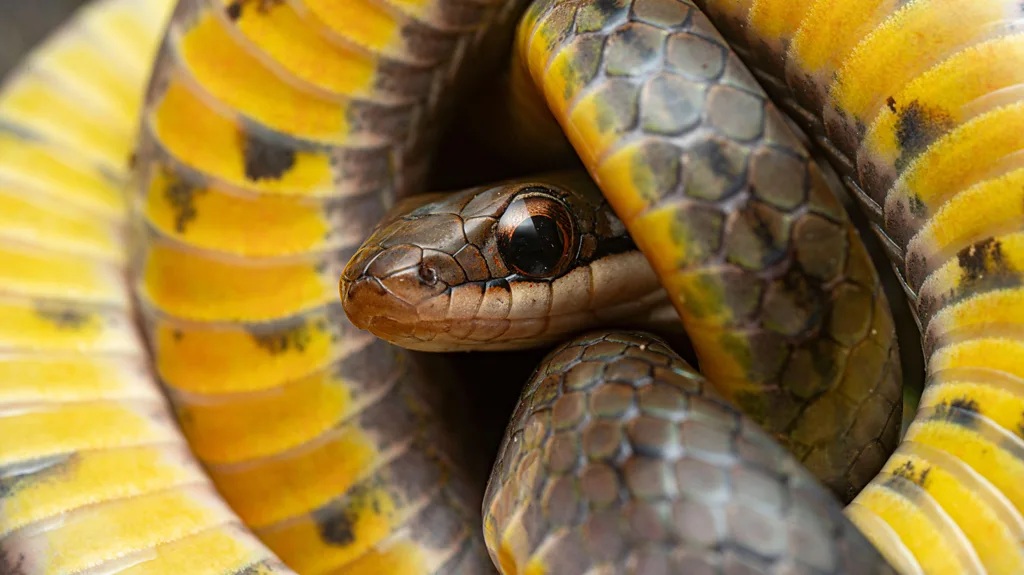
Life is an ancient arms race, and for many creatures, survival depends on safely disarming a deadly meal. New research from the Colombian Amazon highlights one such ingenious strategy: the royal ground snake (Erythrolamprus reginae) engaging in a peculiar pre-meal ritual to survive the venomous skin of the three-striped poison dart frog (Ameerega trivittata).
In an experiment, four hungry ground snakes were presented with the highly toxic dart frogs, whose skin contains lethal compounds like histrionicotoxins and pumiliotoxins. Before swallowing, the snakes were observed dragging the frogs across the ground, a behavior akin to some birds removing toxins.
Remarkably, three of the four snakes survived the meal, suggesting this behavioral strategy, followed by internal resistance, was effective.
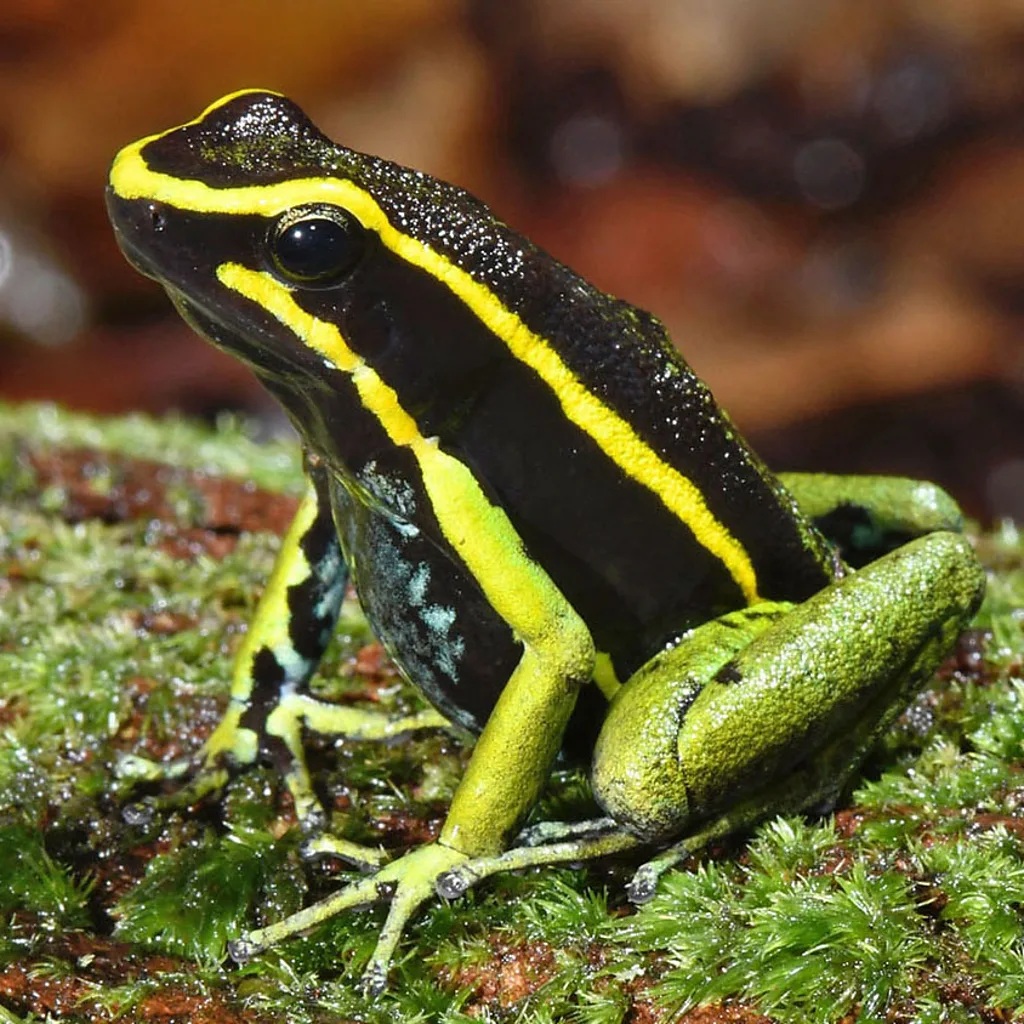
The three-striped poison frog (Ameerega trivittata) has developed its toxins as a defence against predators.
This observed behavior is a first defensive step, one of many antitoxin defences that have quietly helped to shape biological communities for millions of years.
The best-studied adaptation involves altering the sodium-potassium pump, a protein critical for nerve impulses and muscle contraction. Insects that feed on toxin-rich milkweed plants, for instance, have evolved pumps that the toxin (cardiac glycosides) cannot bind to.
The Efficiency Trade-off: Molecular biologist Susanne Dobler notes this adaptation isn’t perfect; the more toxin-resistant the pump becomes, the less efficient it is. Insects like the large milkweed bug have evolved complex ways to safeguard critical organs, like the brain, where the pump is most vital.
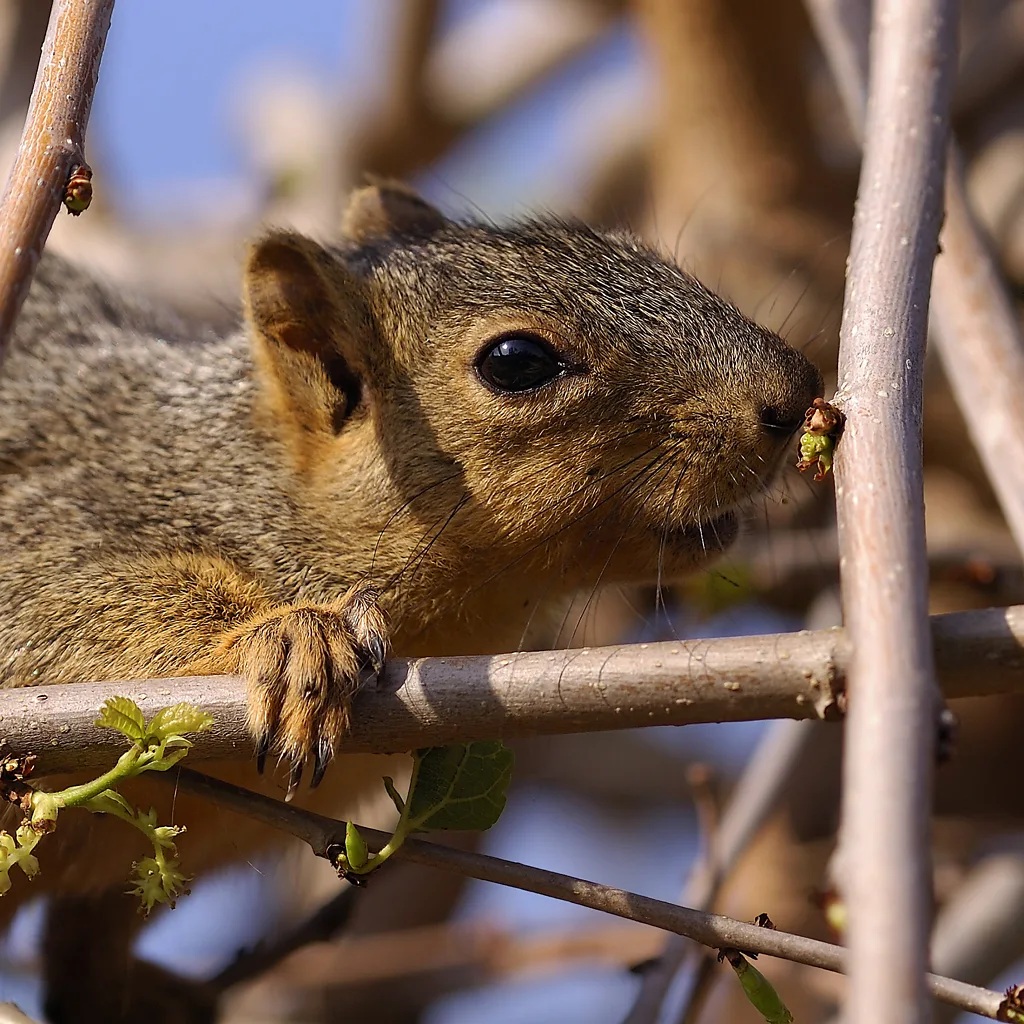
The California ground squirrel has evolved an array of countermeasures to rattlesnake venom.
Dobler suspects proteins called ABCB transporters are key. These proteins sit in cell membranes and actively shunt unwanted toxins out of cells. The bright red onion beetle, which excretes toxins found in its lily-of-the-valley diet, may rely on these transporters in its gut to prevent toxins from ever entering the body.
For the surviving Amazonian ground snakes, researchers hypothesize the liver is key, likely containing enzymes that convert the deadly frog substances into nontoxic forms, or specialized “toxin sponge” proteins that bind to and neutralize the poisons.

Darwin, 15 May: We often wonder—what if we could talk to our pets? Imagine being able to understand what your dog or cat is thinking,…