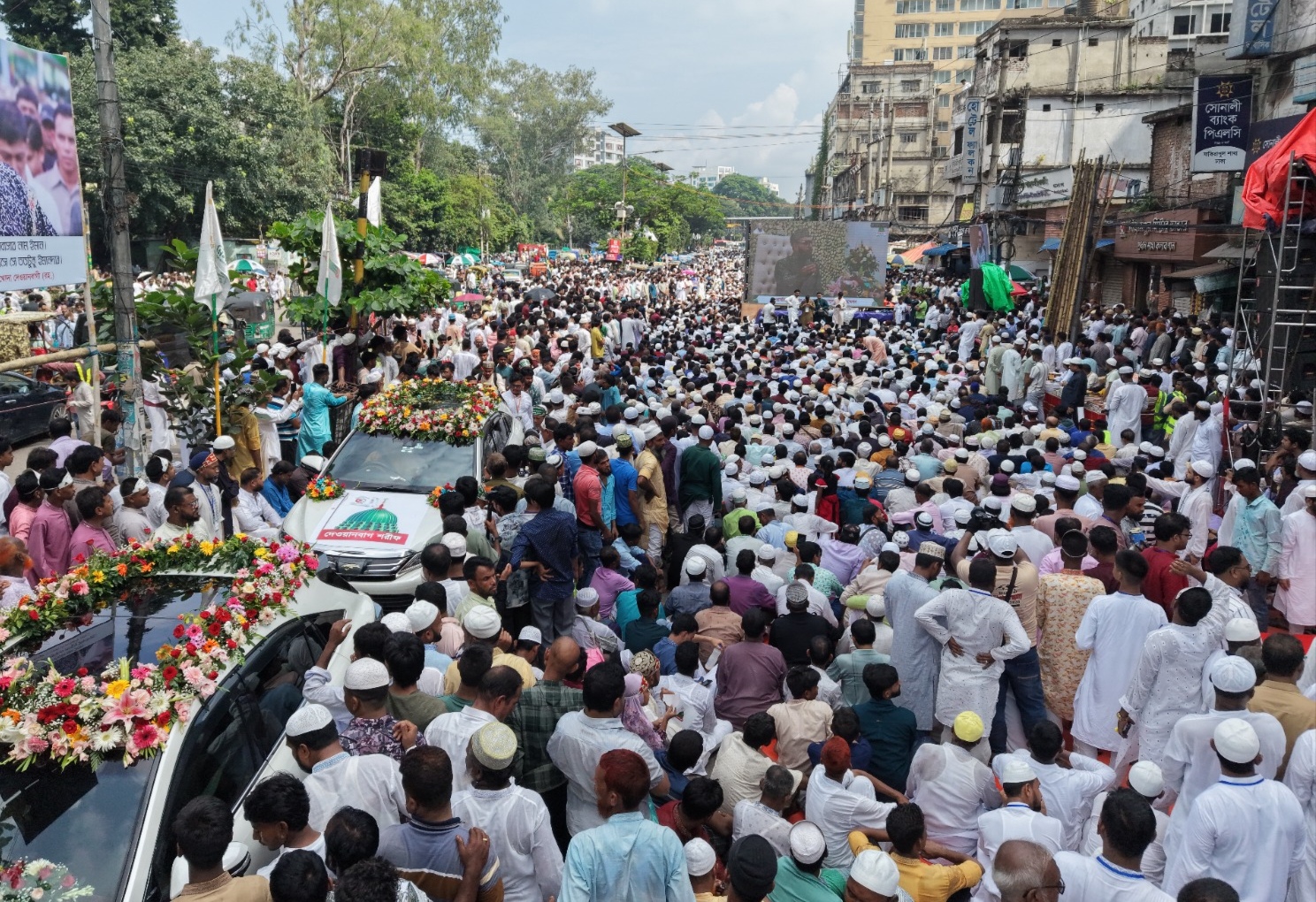
Over 100,000 Join Eid-e-Milad-un-Nabi Rally in Dhaka
Darwin, August 27: More than 100,000 devotees took part in a colourful rally in Dhaka to mark the 1,501st birth anniversary of Prophet Muhammad (PBUH),…



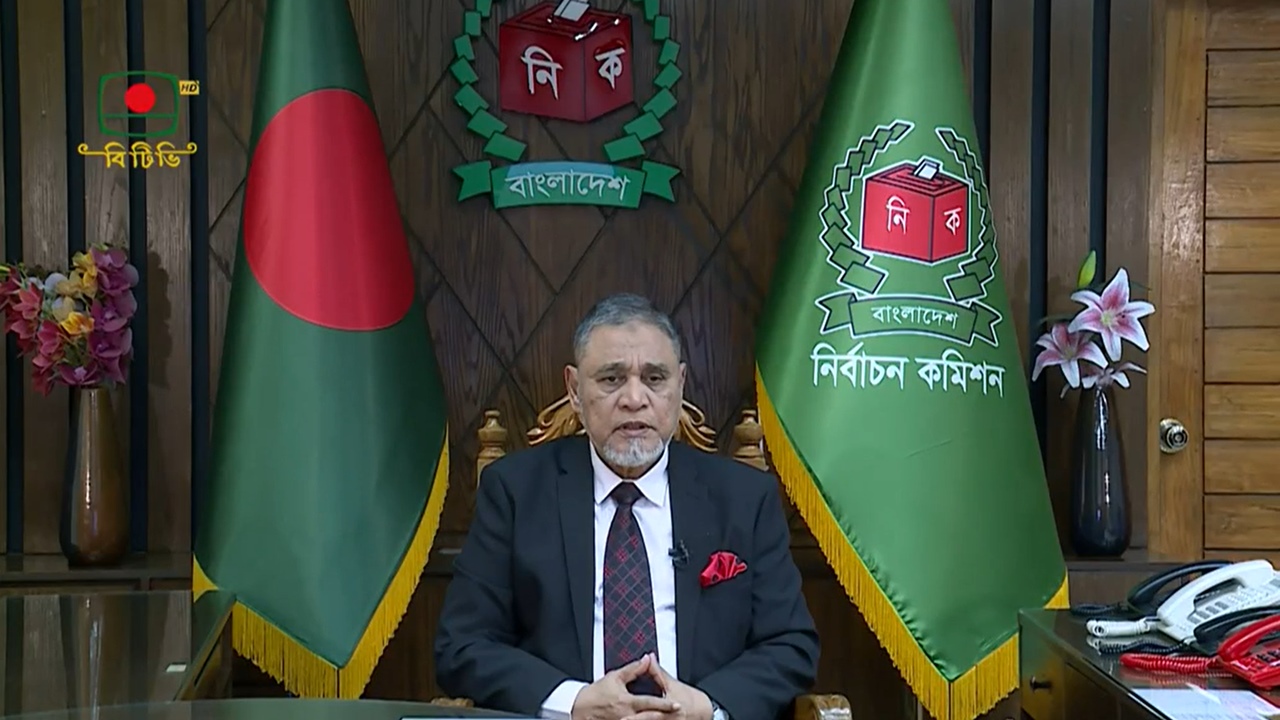
Darwin, 12 December: After a year and a half since the mass uprising, Bangladesh has finally heard the call to the polls. Dispersing all uncertainty, the date for the next national election has been announced along with an appeal for citizens to vote without fear.
During the decade of political dominance by the ousted Awami League—spanning the 10th parliamentary election in 2014 to the 12th in 2024—voter turnout remained notably low. Many new voters have never even cast a ballot. In this context, the Election Commission (EC) has declared the schedule for the 13th National Parliamentary Election.
Alongside the national vote, a public referendum on the July Charter will also be held on 12 February, a date the Chief Election Commissioner (CEC) A M M Nasir Uddin has called one that “should turn into a festival of democracy.”
The CEC also announced 29 December as the last day for submission of nomination papers. Political parties responded with cautious optimism—relieved that speculation about delays has ended, yet urging that the government must ensure a fair environment, equal opportunity, and the freedom to choose preferred candidates.
The CEC assured voters of safety and neutrality. Announcing the schedule, he said:
“Exercise your voting rights without fear, temptation or deception. All relevant institutions and forces will work to ensure a safe and festive voting environment for you. Regardless of religion, ethnicity, gender or identity, come to the polling center with your elderly, disabled, and pregnant family members. Your spontaneous participation will turn the election into a celebration.”
The national election and referendum will be held from 7:30 a.m. to 4:30 p.m., an hour longer than usual.
The Election Commission has finalized a list of 127,695,183 voters, including 64,814,907 men and 62,807,942 women.
Background to the Election Timeline
Following the fall of the Awami League government in the mass uprising on 5 August 2024, a new Election Commission led by Nasir Uddin took office on 21 November that year. The question of when elections would be held has dominated political debate since then.
The interim government initially announced elections by June 2026, while the BNP demanded elections by December 2025. Later, in a national address on 5 August, Chief Adviser Muhammad Yunus announced that polls would be held in early February before Ramadan.
BNP repeatedly expressed doubt over whether the election would occur on time, warning of potential political instability if delayed. With the schedule now announced, the party says it sees a “new horizon.”
There are currently 56 registered political parties. The Awami League’s registration remains suspended due to the ban on its political activities, meaning it cannot participate in the election. No restrictions have been placed on other registered parties.
Detailed Schedule
Scrutiny of nominations: 30 December – 4 January
Deadline for appeals: 11 January
Disposal of appeals: 12–18 January
Withdrawal of candidature: 20 January
Symbol allocation: 21 January
Campaign period: 22 January – 10 February, 7:30 a.m.
Boundary Disputes Add Last-Minute Challenges
Ahead of the schedule announcement, the EC moved to comply with Supreme Court directives to modify constituency boundaries. A September 4 gazette—regarding parts of Bagerhat and Gazipur—was declared invalid by the Appellate Division, restoring earlier boundaries based on the 2022 census.
The Commission also had to resolve additional boundary issues following court rulings against it.
This election will also mark the first time expatriate Bangladeshis are able to vote. An online registration app has already enrolled more than 309,000 voters within just 23 days. Registration will continue until 25 December.
Chief Adviser: ‘A Milestone for New Bangladesh’
In a congratulatory message after the announcement, the Chief Adviser said:
“The declaration of the schedule marks a significant milestone in Bangladesh’s democratic journey. Following the historic mass uprising, this election and referendum will strengthen the foundation of the new Bangladesh.”
BNP Sees ‘New Horizon’
The BNP—once the strongest critic regarding the timing of elections—said all doubts have now been removed.
BNP Secretary General Mirza Fakhrul Islam Alamgir said:
“It is now proven that the Election Commission, government, and political parties all intend to hold the election and ensure people’s voting rights.”
He called the upcoming vote on 12 February 2026 “a major and historic moment for Bangladesh.”
Uncertainty Ends, Says Jamaat
Despite earlier objections to holding the election and referendum on the same day, Jamaat-e-Islami and allied religious parties have now accepted the government’s decision.
Jamaat Assistant Secretary General Ehsanul Mahbub Zobayer said the schedule announcement “removes all uncertainty.”
Islamic Andolan’s Joint Secretary General Gazi Ataur Rahman pledged full cooperation for a fair election.
NCP Wants Fair Election, Questions Neutrality
The National Citizen Party (NCP)—formed by leaders of the mass uprising—welcomed the schedule but questioned the neutrality and capacity of both the government and the Election Commission.
NCP Chief Coordinator Nasir Uddin Patwari said:
“Bangladesh is heading toward a beautiful election on 12 February. The government and EC have goodwill, but a lack of neutrality and capacity remains a concern.”
CEC Warns Against Misinformation, Vows Zero Tolerance
The CEC reiterated a commitment to a “free, fair, and beautiful election,” adding that no negligence will be tolerated.
He also warned against AI-generated misinformation on social media, calling it a threat to electoral integrity.
“Spreading false information is a punishable offense,” he said.
Darwin, August 27: More than 100,000 devotees took part in a colourful rally in Dhaka to mark the 1,501st birth anniversary of Prophet Muhammad (PBUH),…
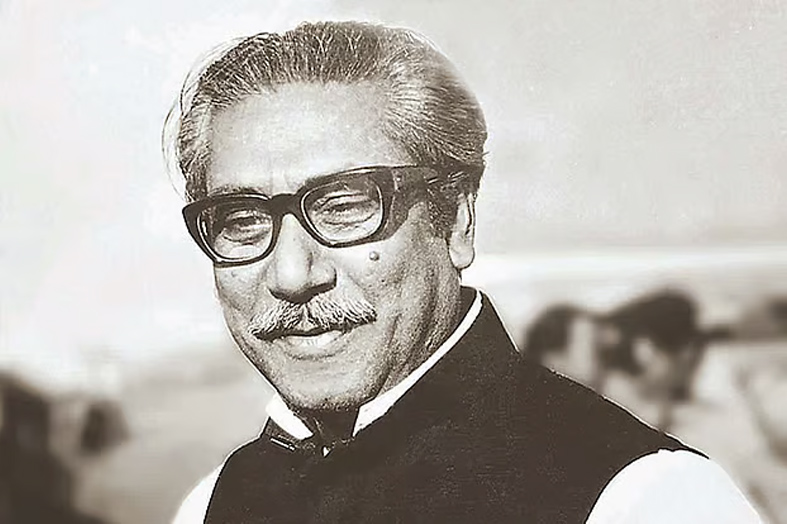
Darwin, August 15 : The death anniversary of Bangabandhu Sheikh Mujibur Rahman, the architect of independent Bangladesh, is being observed today, August 15. On this…

Darwin, 15 August : The United Nations has expressed concern over attempts to establish cells of al-Qaeda in Bangladesh. The concern was raised in a…
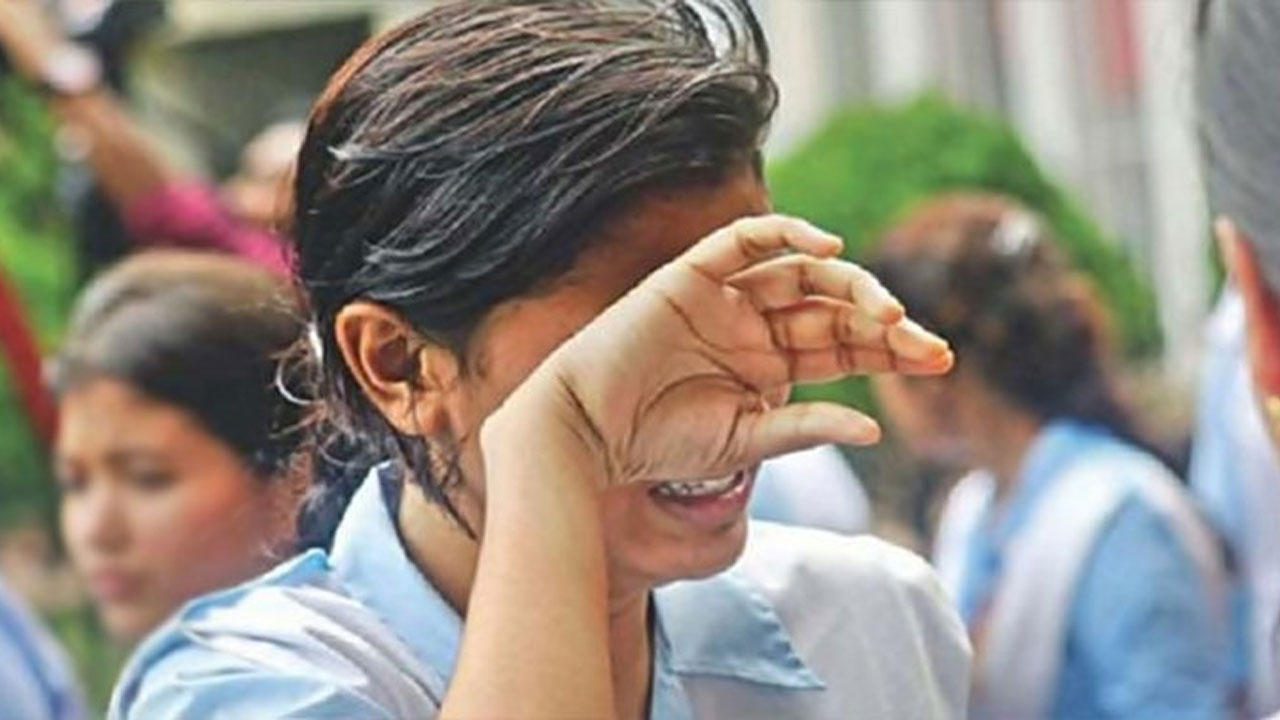
Darwin, August 10: The pass rate in this year’s Secondary School Certificate (SSC) and equivalent examinations in Bangladesh has fallen to 62.25 percent, the lowest…
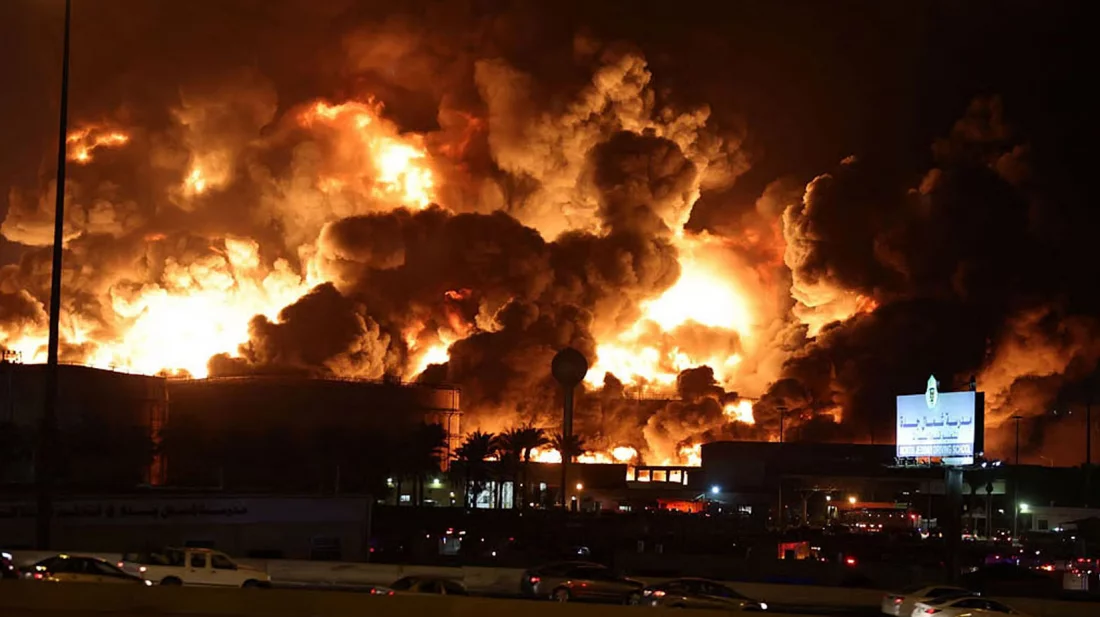
Darwin, August 10: Sixteen Bangladeshi workers have died in a devastating fire at a sofa factory in the Musa Sanaya area of Riyadh, the capital…
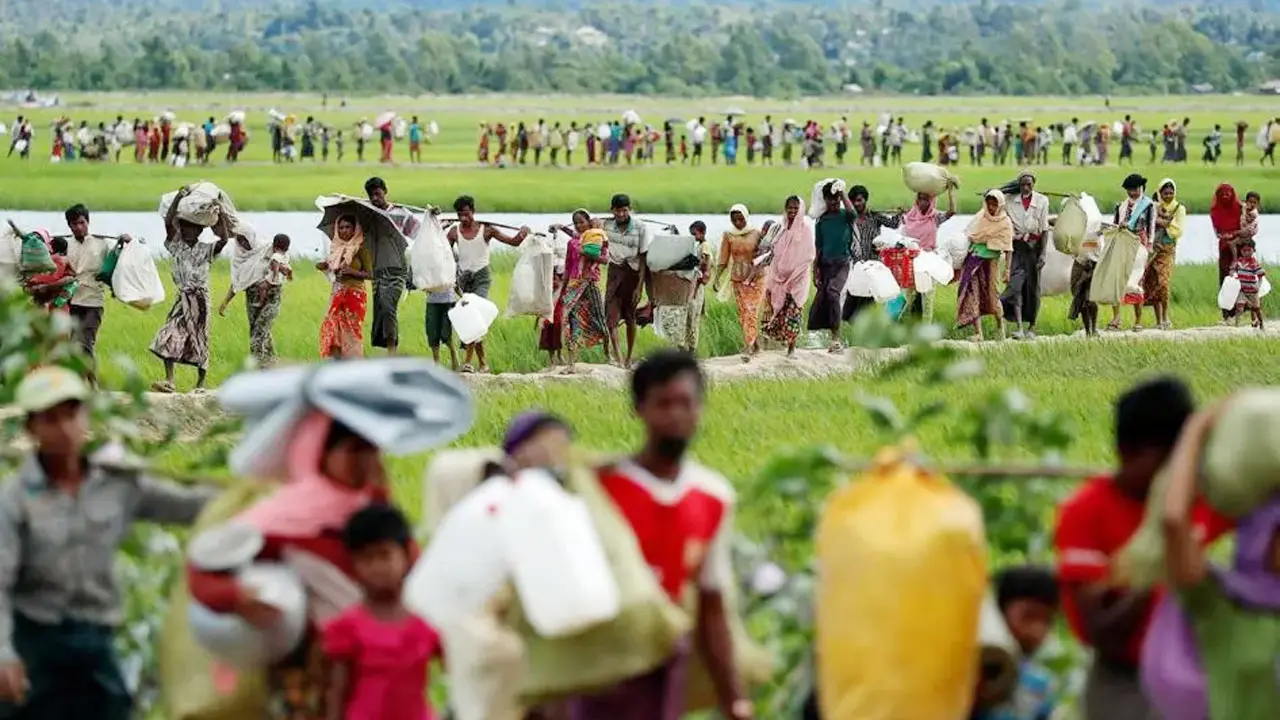
Darwin, July 30 — Myanmar has agreed to repatriate 300,000 Rohingya refugees from Bangladesh and an additional 5,000 from Malaysia, Malaysian Prime Minister Anwar Ibrahim announced…
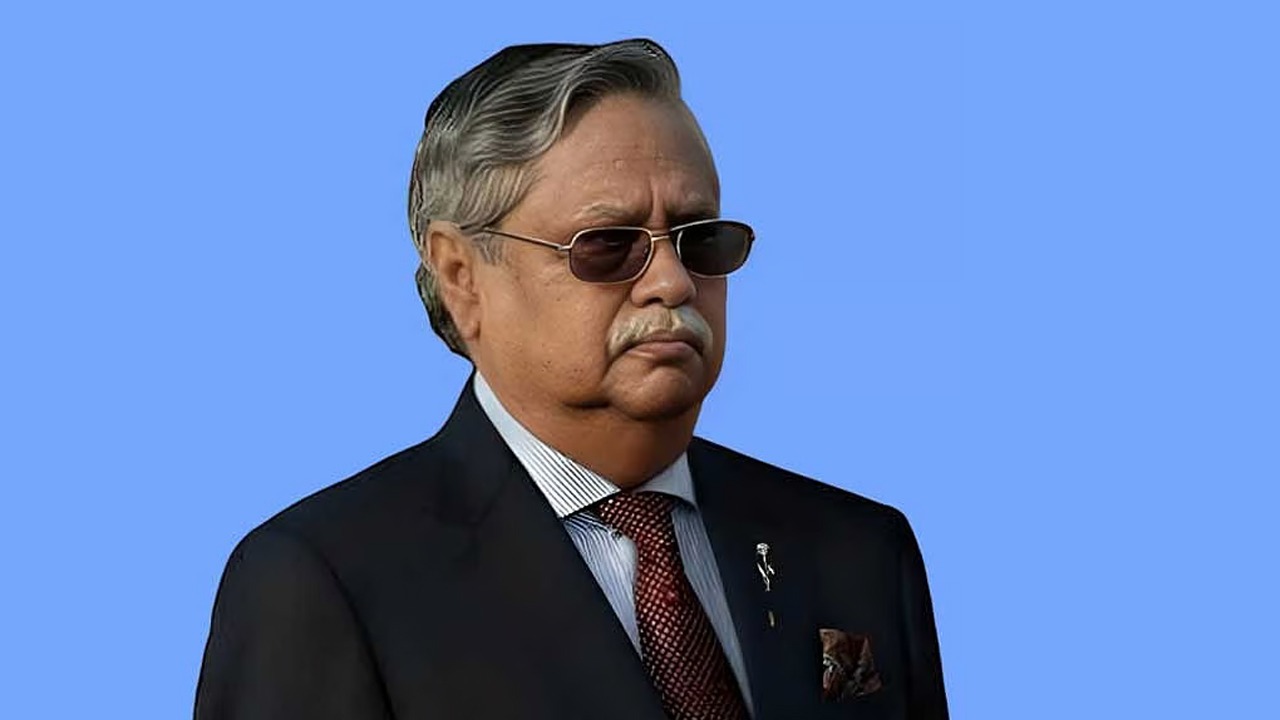
Darwin, 25 July: President of Bangladesh Mohammed Shahabuddin has resigned from office, citing health-related reasons. He personally confirmed his resignation to the media on Friday…
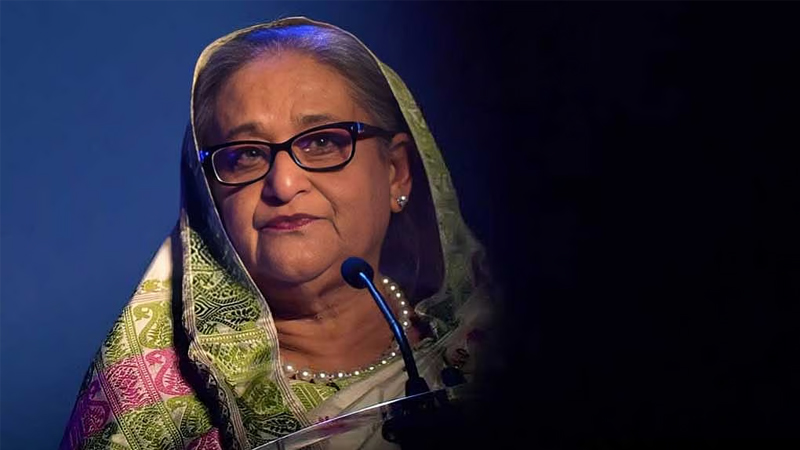
Sheikh Hasina.Darwin, 11 July : Bangladesh’s ousted Prime Minister Sheikh Hasina, who is living in exile in India after being sentenced to death for crimes…