G7 to Release Up to 100 Million Barrels of Oil From Reserves to Lower Prices
Darwin, October 3: Under pressure from US President Donald Trump to bring down rising fuel prices, G7 leaders are set to release up to 100…



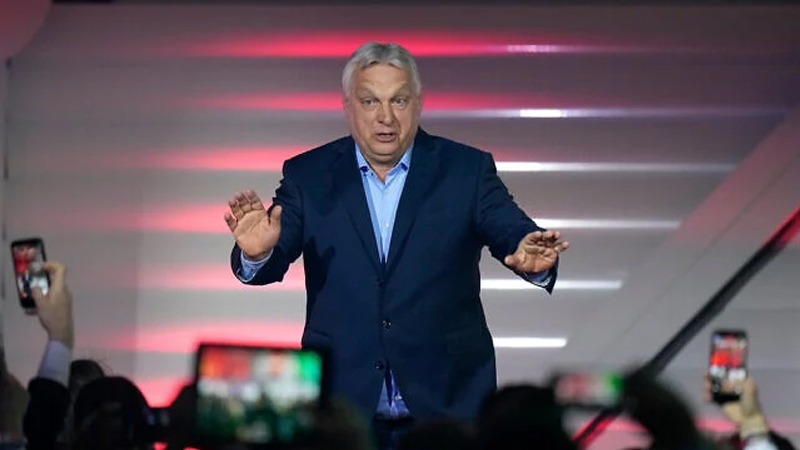
Darwin, 13 April: Hungary’s long-serving nationalist leader Viktor Orbán has conceded defeat in the country’s national election. The new opposition Tisza Party won by a large margin. The result is seen as a setback for his allies in Russia, Israel, and the administration of U.S. President Donald Trump.
Based on results from 97.35 percent of polling stations, the center-right, pro-European Union Tisza Party, led by Péter Magyar, won 138 seats in the 199-member parliament—enough for a crucial two-thirds majority. They defeated Orbán’s party, Fidesz.
Orbán said, “The election results are not final yet, but the situation is clear. The result is painful for us, but clear.”
Voter turnout was expected to reach record levels. Hungarian television showed long queues outside polling stations in the capital, Budapest. As of 4:30 p.m. GMT on Sunday, data showed that 77.8 percent of voters had cast their ballots, up from 67.8 percent four years earlier.
If the final results confirm this trend, it would mark the end of Orbán’s 16-year rule, with implications not only for Hungary but also for the European Union, Ukraine, and global politics.
It could end Hungary’s confrontational stance within the EU and potentially open the way for a €90 billion loan to war-torn Ukraine, which Orbán had blocked.
It may also lead to the release of EU funds to Hungary that had been suspended due to concerns in Brussels over the erosion of democratic standards.
Orbán’s departure would mean that Vladimir Putin loses one of his key allies within the EU and could send shockwaves through Western right-wing politics.
There could also be shifts in foreign policy. Orbán has long maintained close ties with Israeli Prime Minister Benjamin Netanyahu and has consistently supported Israel in international forums.
Domestically, a Tisza victory could pave the way for reforms aimed at combating corruption and restoring the independence of the judiciary and other institutions. However, the extent of these reforms will depend on whether the party can maintain its two-thirds constitutional majority.
Economic Stagnation Hurt Orbán’s Popularity
A euroskeptic, Orbán built a model of “illiberal democracy,” which has been seen as a reference point for Trump’s “Make America Great Again (MAGA)” movement.
However, after three years of economic stagnation, rising living costs, and allegations of wealth accumulation by government-linked elites, many Hungarians have grown frustrated with Orbán.
Tisza leader Magyar appears to have successfully tapped into this dissatisfaction.
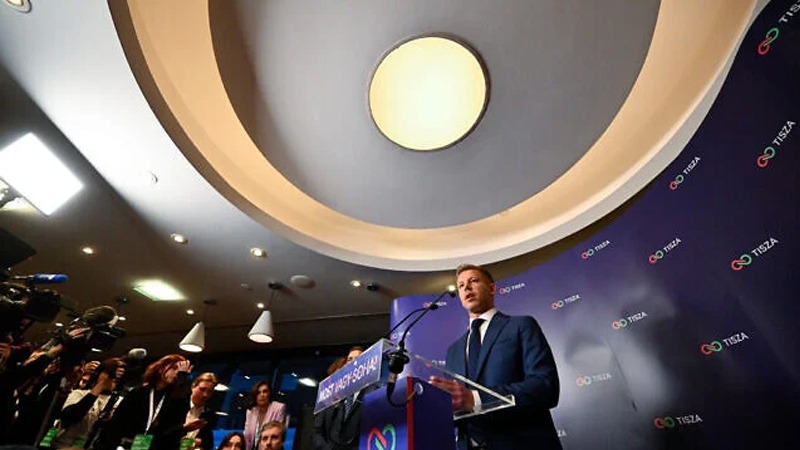
Tisza leader Magyar.
Casting his vote in Budapest, 27-year-old voter Mihály Bácsi said, “The country needs change. There is too much tension in society, and the current government only fuels it.”
Another voter, who identified herself as Zsuzsa, said she preferred continuity.
“I would really like the achievements of recent years to remain—and I am very worried about the war,” she said, referring to the ongoing conflict in Ukraine.
During the campaign, Orbán framed the election as a choice between “war and peace.” Government messaging warned that Magyar would drag Hungary into the Russia-Ukraine war—an आरोप he strongly denied.

Darwin, October 3: Under pressure from US President Donald Trump to bring down rising fuel prices, G7 leaders are set to release up to 100…

Darwin, October 3: Russia’s daily attacks are filling the lives of Kyiv residents with fear and uncertainty. From schools and hospitals to bridges, power plants…
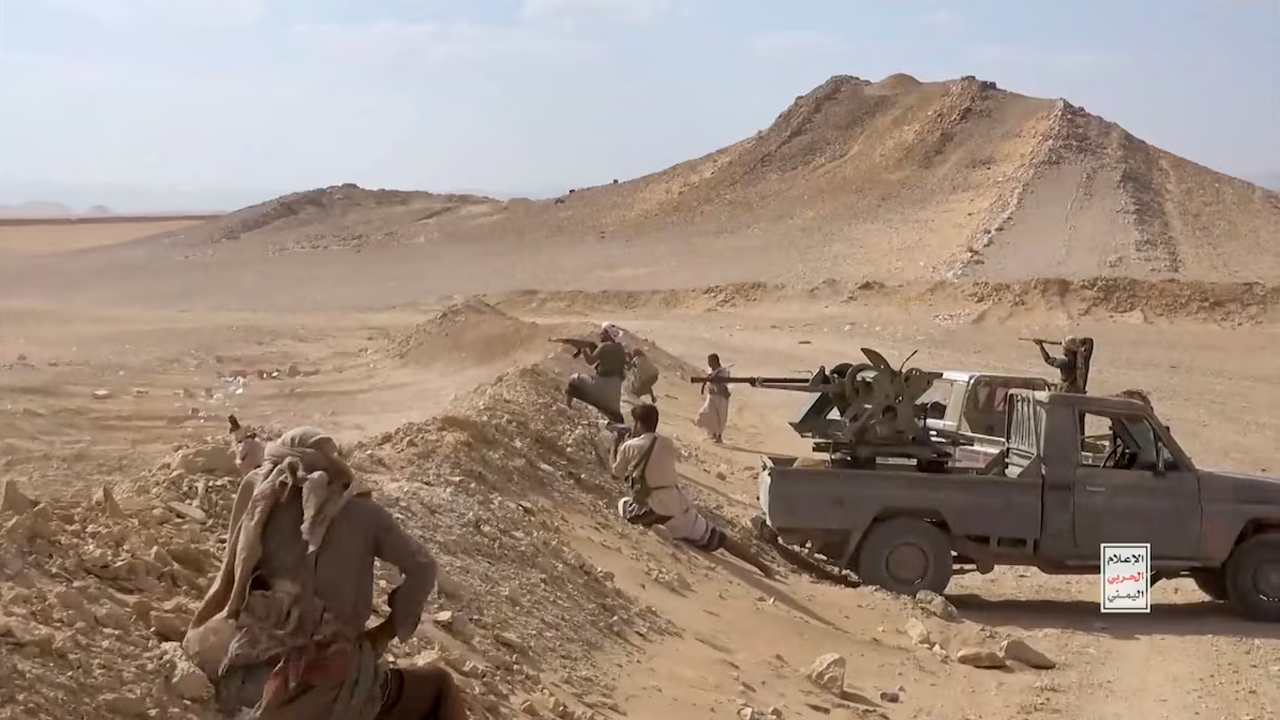
Darwin, October 3: At least 80 fighters have been killed over the past 24 hours in fierce fighting between Iran-backed Houthi rebels and Saudi-backed government…
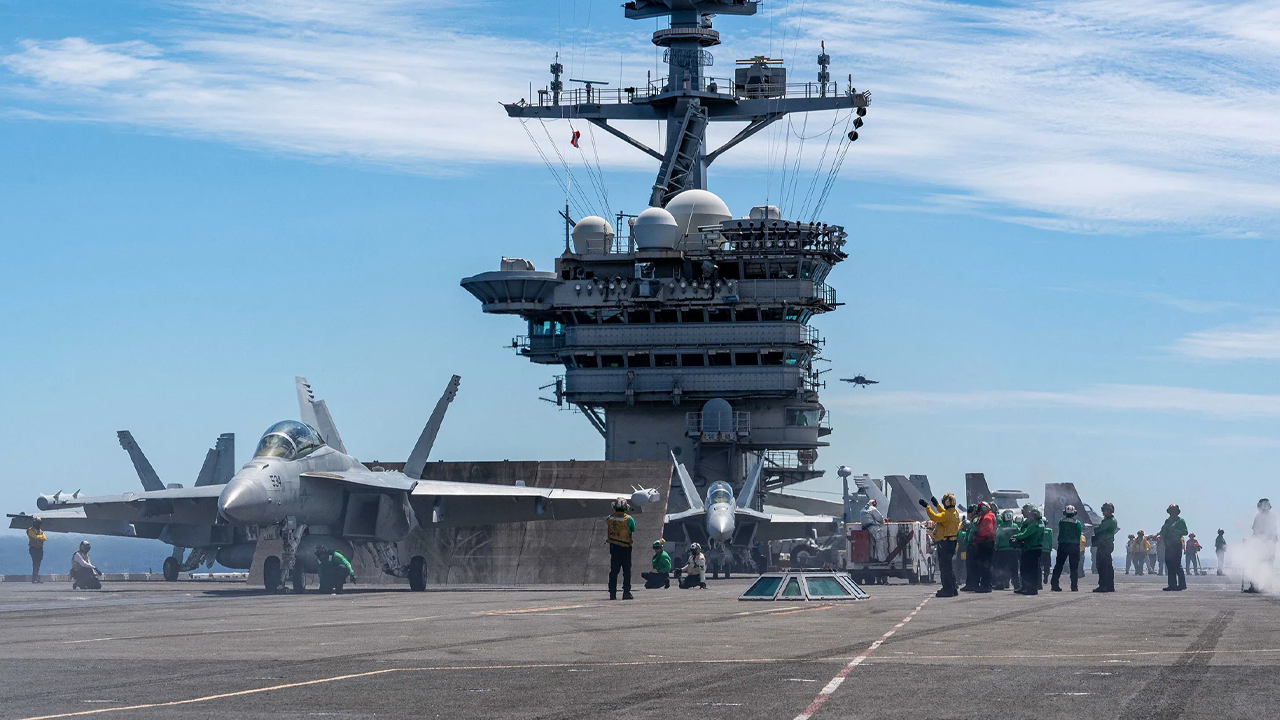
Darwin, October 3: As the Iran war enters its eighth month, the United States is sending a third aircraft carrier strike group to waters near…
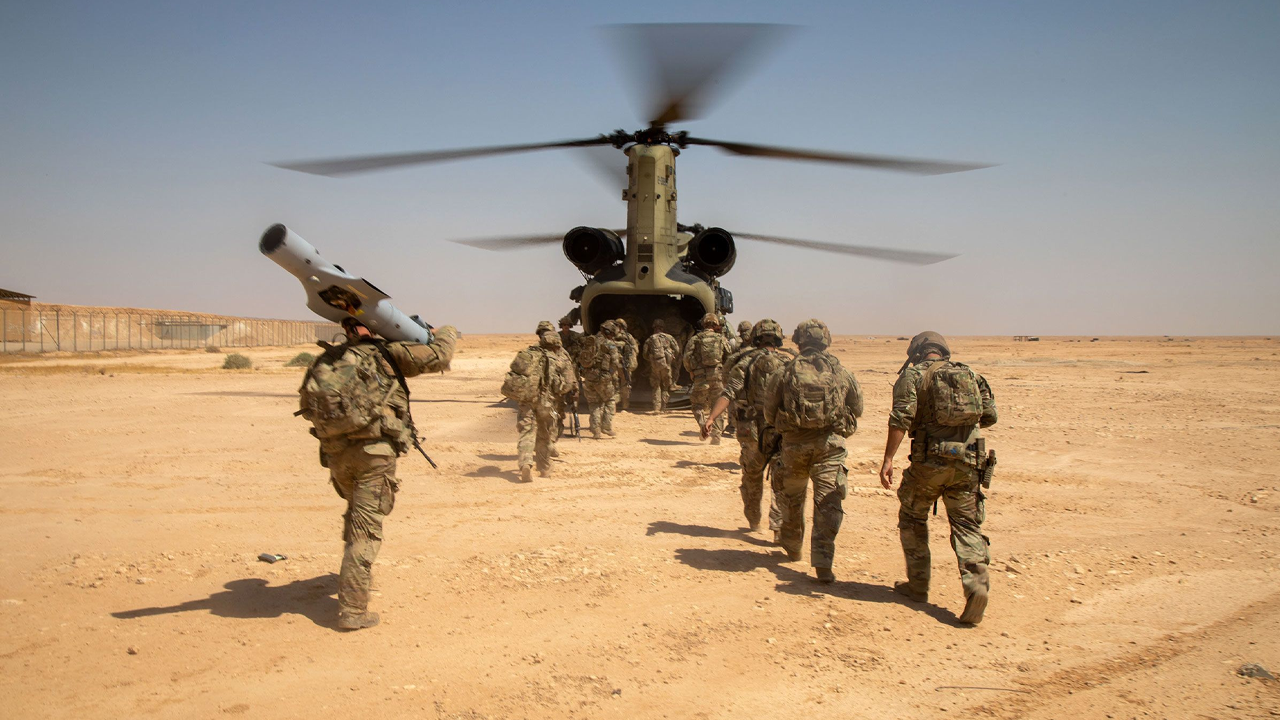
Darwin, September 30 : The United States is preparing to withdraw its military forces from Iraq after more than two decades of war and the…
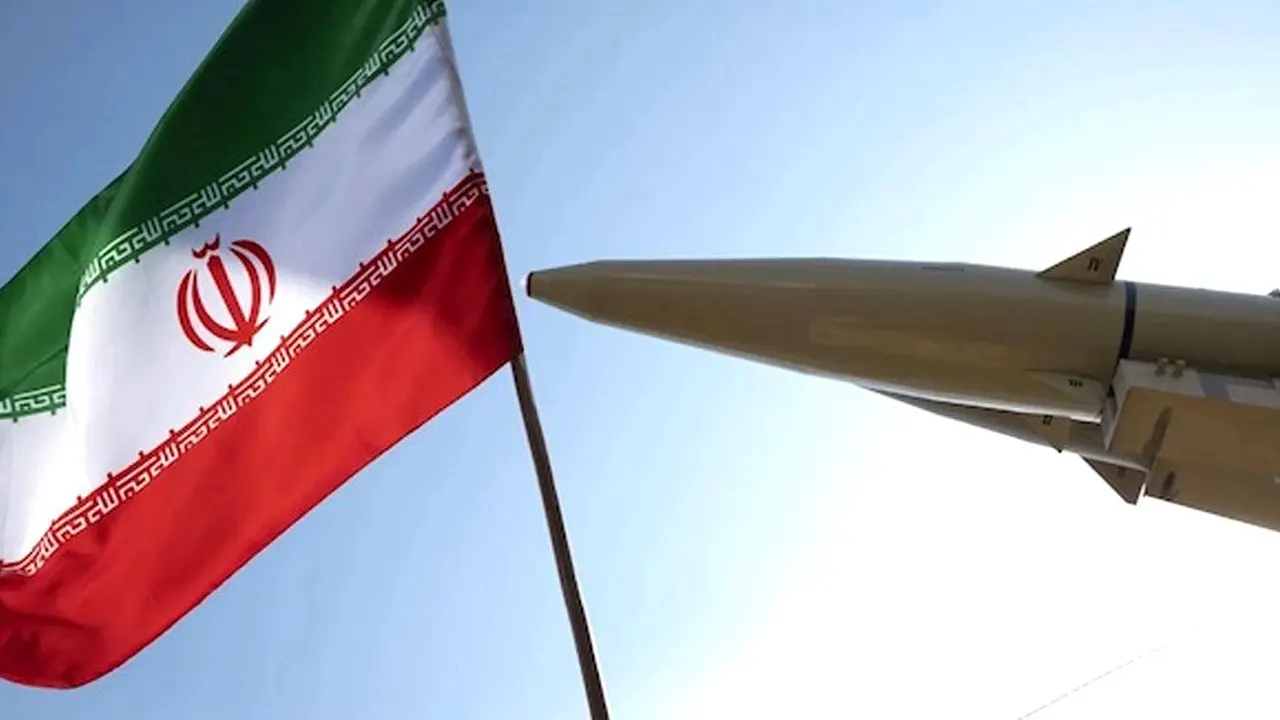
Darwin, September 30: Russia has urged Iran not to withdraw from the Treaty on the Non-Proliferation of Nuclear Weapons (NPT), calling on Tehran to remain…
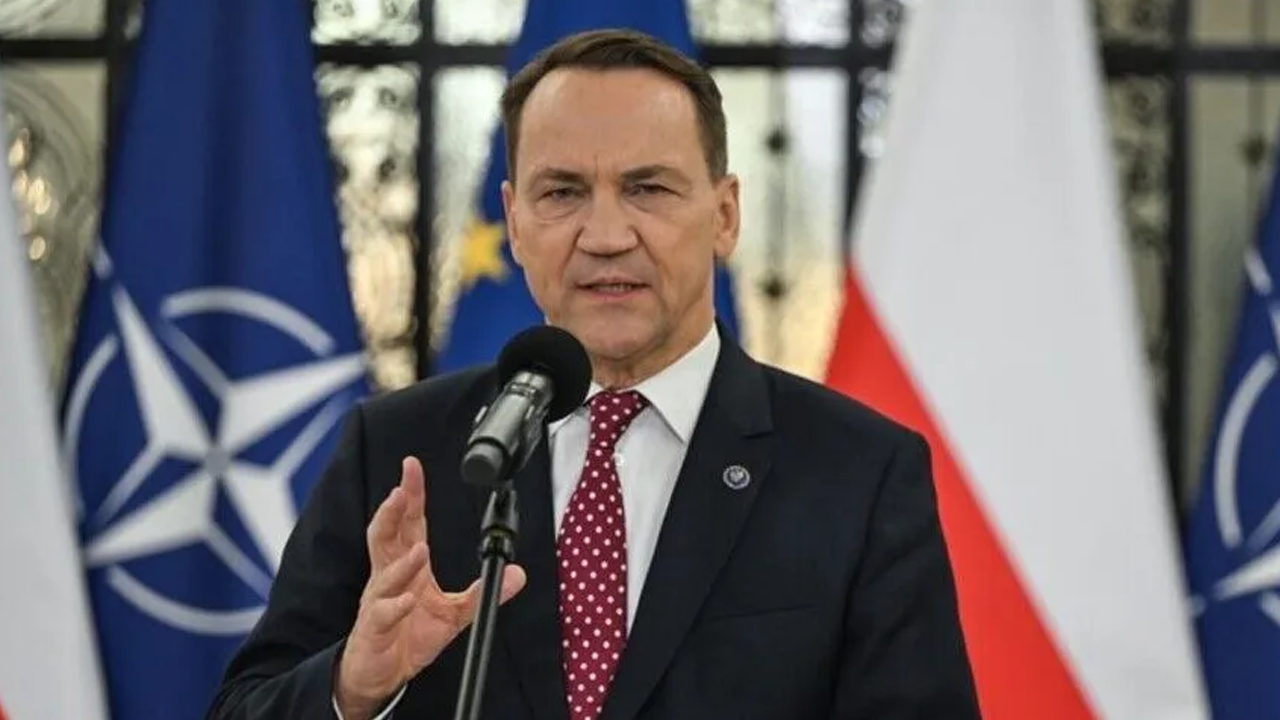
Darwin, September 30: Russia currently lacks sufficient military capability to launch a major attack against NATO because its forces are engaged in the war in…
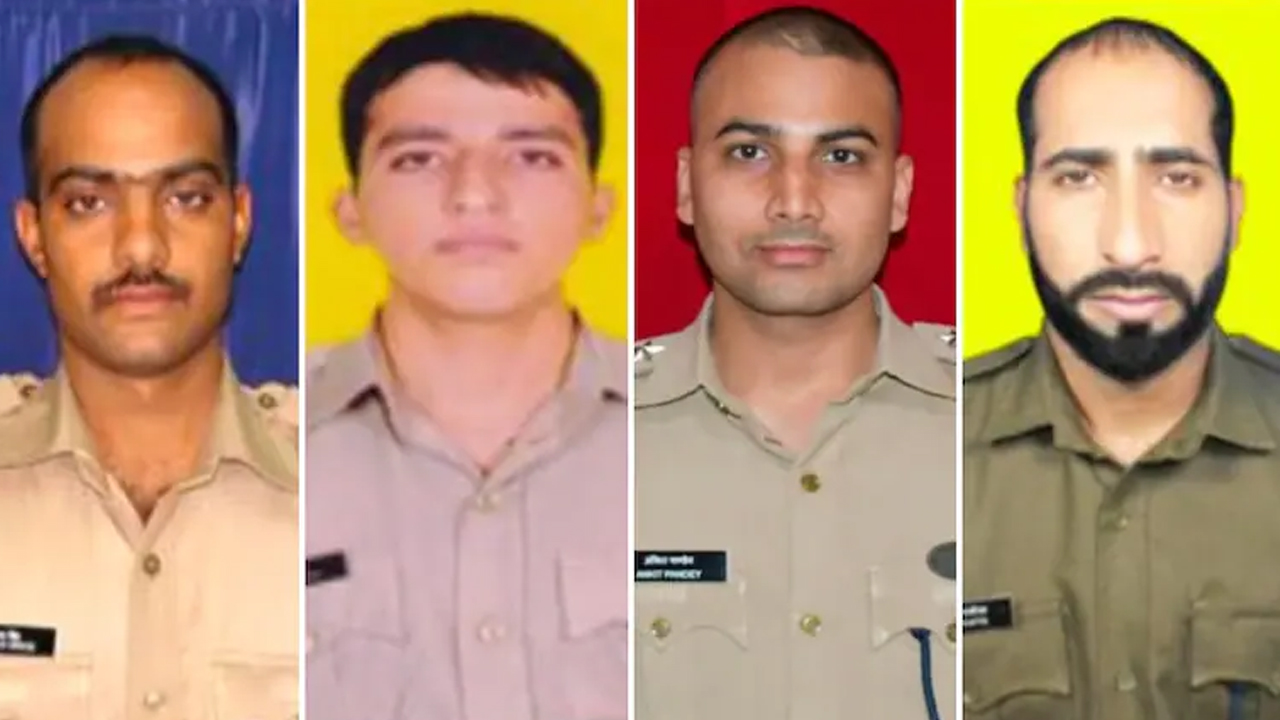
Four personnel of India’s Central Industrial Security Force (CISF), including an officer, were killed after a colleague allegedly opened fire on them at a hydropower…