Darwin, 14 April:
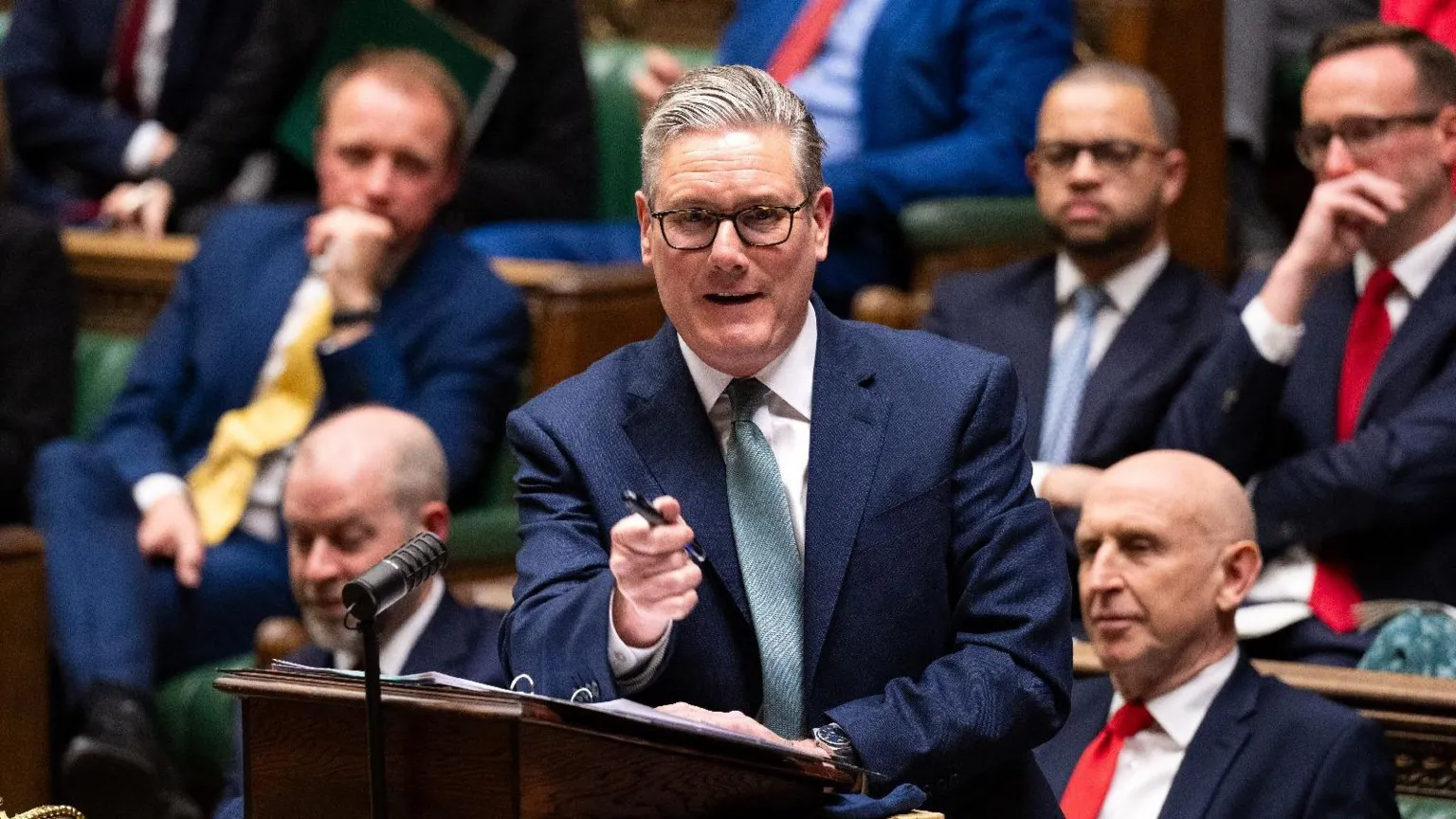
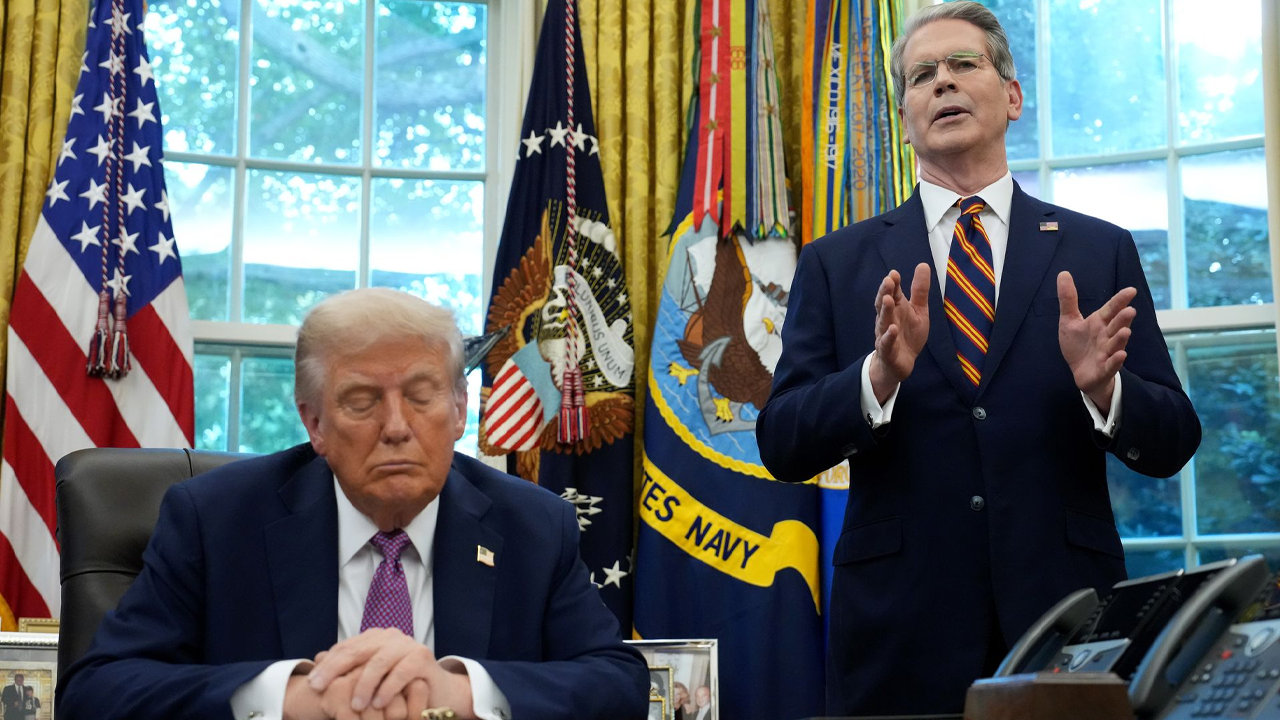
British Prime Minister Keir Starmer has said that Donald Trump’s threat that “an entire civilization” would be destroyed if Iran does not agree to stop the war was “wrong.”
The Prime Minister told MPs that he would not have used the words the US President used last week before agreeing to a two-week ceasefire.
Sir Keir confirmed that the UK will not be involved in implementing a US military blockade on Iranian ports. In a statement to the Commons, he said the UK would “stay away from war” and focus on reopening the vital shipping route through the Strait of Hormuz.
Hours after Trump’s threat, on Tuesday, April 7, the United States and Iran agreed to a conditional two-week ceasefire. However, Israel continues bombing in Lebanon, while Iran still restricts access to the Strait of Hormuz.
After weekend peace talks between the US and Iran ended without an agreement, Trump said the US would begin blocking all ships entering or leaving the strait.
In a post on his Truth Social platform on Monday morning, the President warned that Iranian naval vessels approaching the US blockade would be “destroyed immediately.”
Trump has repeatedly criticized the Prime Minister in public; after the UK decided not to join his attack on Iran, he even said that the Prime Minister is “not Winston Churchill.”
As relations between the two leaders have become strained over the war, ties between their representatives are seen as particularly important within the UK government.
This unexpected relationship began when Lammy was an opposition MP and Vance had just been elected to the US Senate. Last summer, the Vice President and his family stayed with Lammy during a summer visit to the UK.
Despite differences between Starmer and Trump, Deputy Prime Minister David Lammy met US Vice President JD Vance and US Secretary of State Marco Rubio in separate meetings at the White House on Monday.
Later, posting on X, Lammy wrote: “It was great to meet my friend JD Vance in DC today after his speech in Pakistan.”
Sharing a photo of their handshake, he added: “It is essential that the ceasefire continues and that we can once again ensure free navigation through the Strait of Hormuz.”
“We are continuing to work together towards a just and lasting peace in Ukraine.”
Liberal Democrat leader Ed Davey said that although Trump did not carry out his threat against Iran, “these words clearly remind us how reckless, immoral and completely contrary to international law this president is.”
He added that Trump’s plan to blockade the Strait of Hormuz would “only escalate the crisis further and put the fragile ceasefire at risk.”
In response, Starmer said: “The comments about destroying a civilization… were wrong. Threatening Iranian civilians in this way is unjust.”
“We must remember, these are civilians who have suffered immense harm at the hands of Iran’s ruling authorities for many, many years.”
“That is why these are words and phrases I would never use on behalf of this government, which has been guided by our policies and values throughout.”
Meanwhile, Starmer said the UK and France will host a summit focused on diplomatic efforts to end the conflict and reopen the Strait of Hormuz. It will also include military planning to reassure shipping once stability returns.
Conservative leader Kemi Badenoch welcomed the move but said, “We cannot limit ourselves to talks alone.”
She urged the government to publish its long-delayed defense investment plan and approve oil and gas drilling in the North Sea to reduce the UK’s exposure to sudden energy price rises.
Around one-fifth of the world’s oil and liquefied natural gas passes through the Strait of Hormuz, and since US-Israeli strikes began on February 28, Iran has effectively shut the route.
Although Iran has allowed some ships to pass selectively, the US blockade aims to prevent Tehran from benefiting from tolls and oil export revenues.
The conflict has already caused a sharp rise in oil prices, leading to higher energy costs worldwide.