Oil Prices Rise in Global Markets on Fears of Middle East Supply Disruptions
Darwin, October 21: Oil prices rose in global markets on Wednesday as traders grew concerned about potential disruptions to oil supplies in the Middle East,…



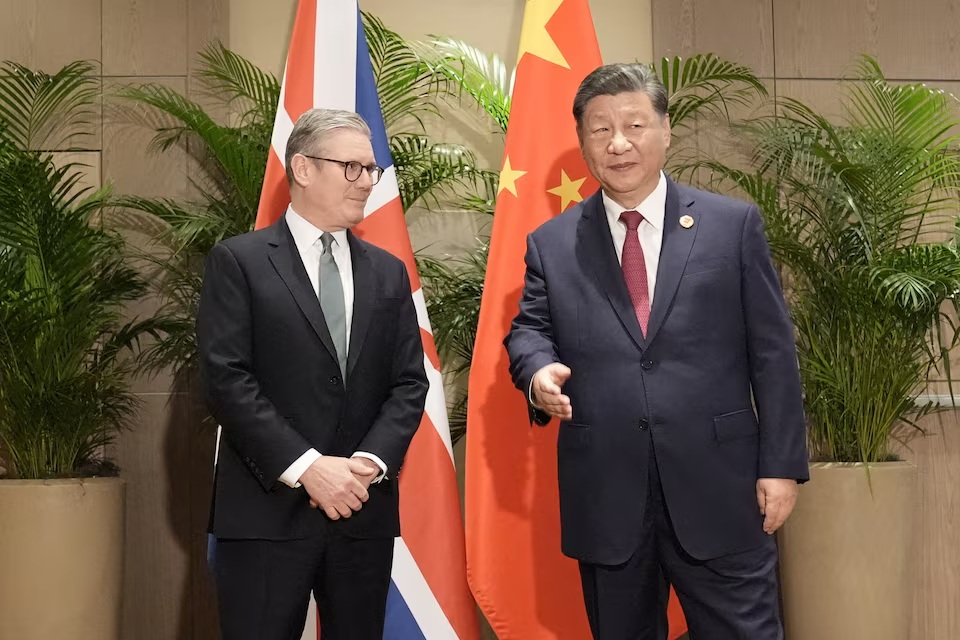
LONDON, UK — British Prime Minister Keir Starmer is facing mounting domestic criticism that his government’s aggressive efforts to repair and deepen ties with Beijing are prioritizing economic gain over national security interests, all while failing to secure significant trade benefits.
The policy came under intense scrutiny last week after prosecutors were forced to abandon the trial of two British men charged with espionage for China. The collapse was attributed to the government’s refusal to provide testimony that China represented a threat to UK national security—a requirement for prosecution under the former Official Secrets Act.
The Starmer government has categorically denied any ministerial interference aimed at appeasing Beijing. However, political opponents argue the handling of the case is the sixth instance of ministers prioritizing better relations over security or human rights concerns.
“We fully recognise that China poses a series of threats to UK national security, yet we must also be alive to the fact that China does present us with opportunities,” Security Minister Dan Jarvis told Parliament this week, attempting to balance the conflicting priorities.
The controversy has deepened the perception that the government is seeking closer ties at any cost, a suspicion fueled by its refusal to publish a long-awaited audit into China relations and the exclusion of China from the strictest tier of a foreign influence registration scheme.
The failure of the spying trial has been front-page news for nearly two weeks, with the Director of Public Prosecutions making the extraordinary public statement that the prosecution could not proceed without the government explicitly naming China as a national security threat. This has placed Starmer, a former chief national prosecutor himself, at risk of being seen as weak on security.
MI5 chief Ken McCallum stressed the delicate balance required, stating on Thursday: “I will never back off from confronting threats to the UK.”
Starmer’s Labour government has made diplomatic engagement and securing foreign investment a key priority to deliver on its mandate to grow the economy. China remains Britain’s fifth-largest trading partner, accounting for 5.5% of trade.
However, the economic benefits so far have been modest. British exports to China fell 12% in the year to the end of March—the second sharpest fall among Britain’s 20 largest trading partners—and China accounted for only 0.2% of total inward foreign investment.
Amid a global environment of increasing trade protectionism and tariff wars, former security experts warn that the UK’s pursuit of investment and economic growth, particularly in services which saw annual exports rise 12% to £13.2 billion, is fraught with risk.
“China doesn’t play silos, the way the UK might want,” said Allie Renison, a former government trade adviser, suggesting Beijing could link trade concessions to sensitive political issues like Britain’s position on Taiwan or Hong Kong.
The entire issue forms the backdrop to the government’s politically sensitive decision on whether to approve China’s application to build the largest embassy in Europe in London. Many trade advocates, however, argue that a stagnant British economy cannot afford to sever economic ties with the world’s second-largest economy.
Darwin, October 21: Oil prices rose in global markets on Wednesday as traders grew concerned about potential disruptions to oil supplies in the Middle East,…
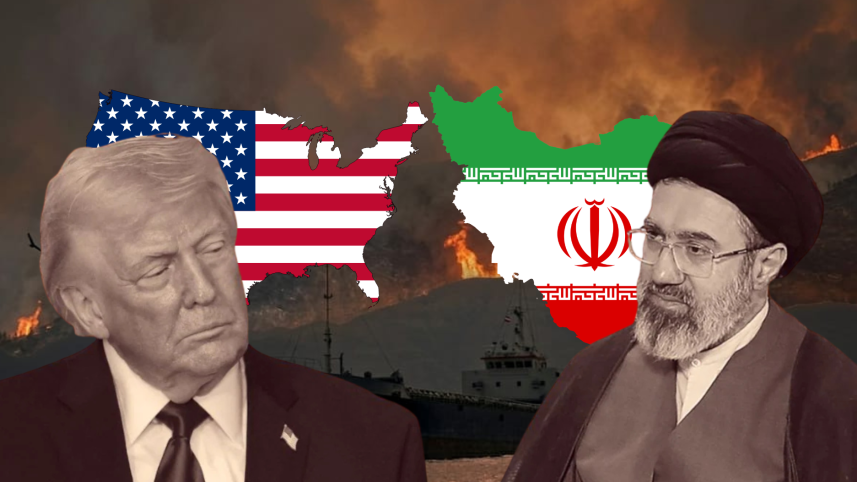
Darwin, October 21: Iran is prolonging negotiations with Washington in an attempt to politically weaken President Donald Trump ahead of the US midterm elections, according…

Darwin, October 21: Today is the auspicious occasion of Bijaya Dashami. The five-day Sharadiya Durga Puja, the biggest religious festival of the Hindu community, officially…

Darwin, October 20: Today is Maha Navami, the ninth day of Sharadiya Durga Puja. Members of the Hindu community will observe the day through religious…
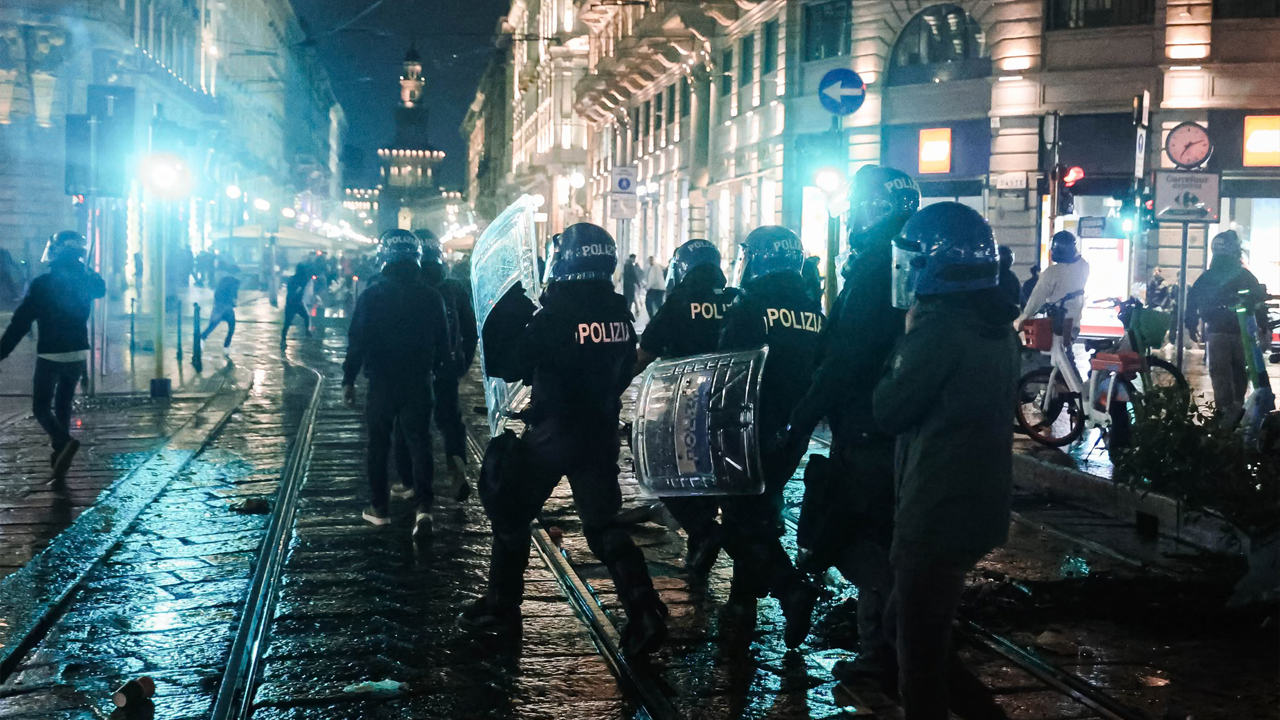
Darwin, October 20: Protests and violence over the rising cost of living have erupted in Italy, one of Europe’s largest economies, following similar unrest in…
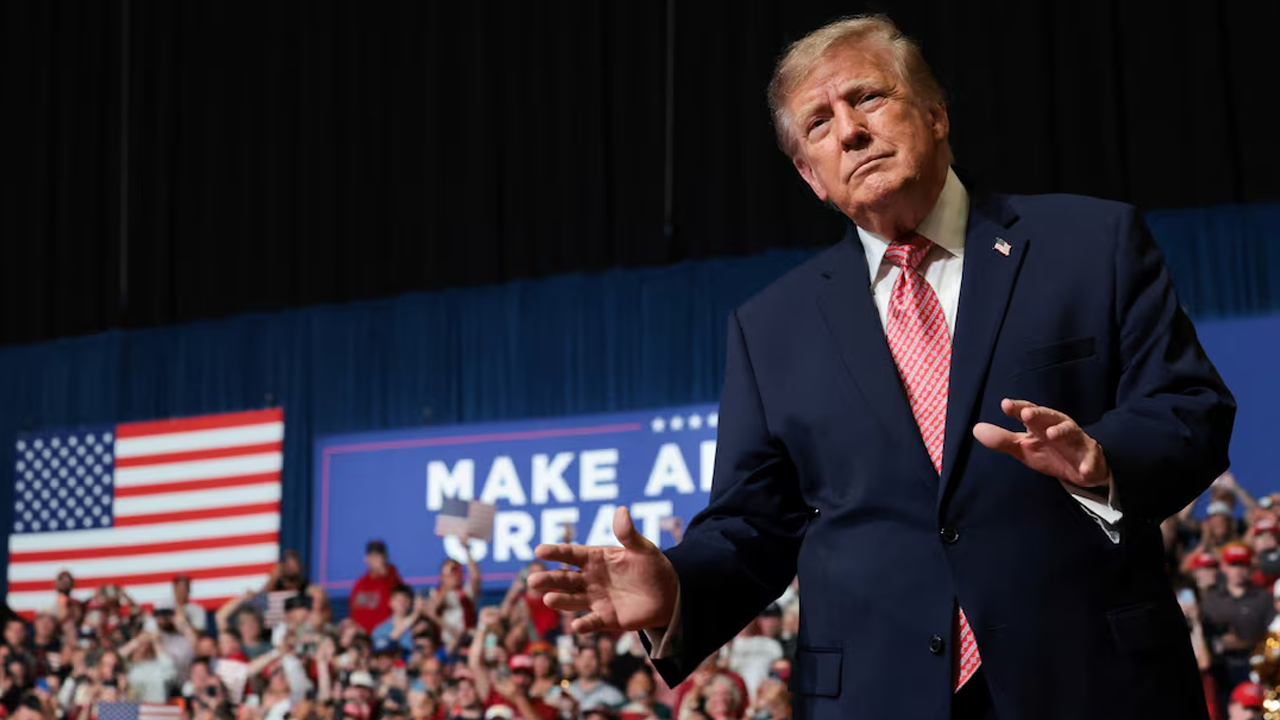
Darwin, October 20: US President Donald Trump has warned that protests and violence similar to those in France could spread across the United States if…
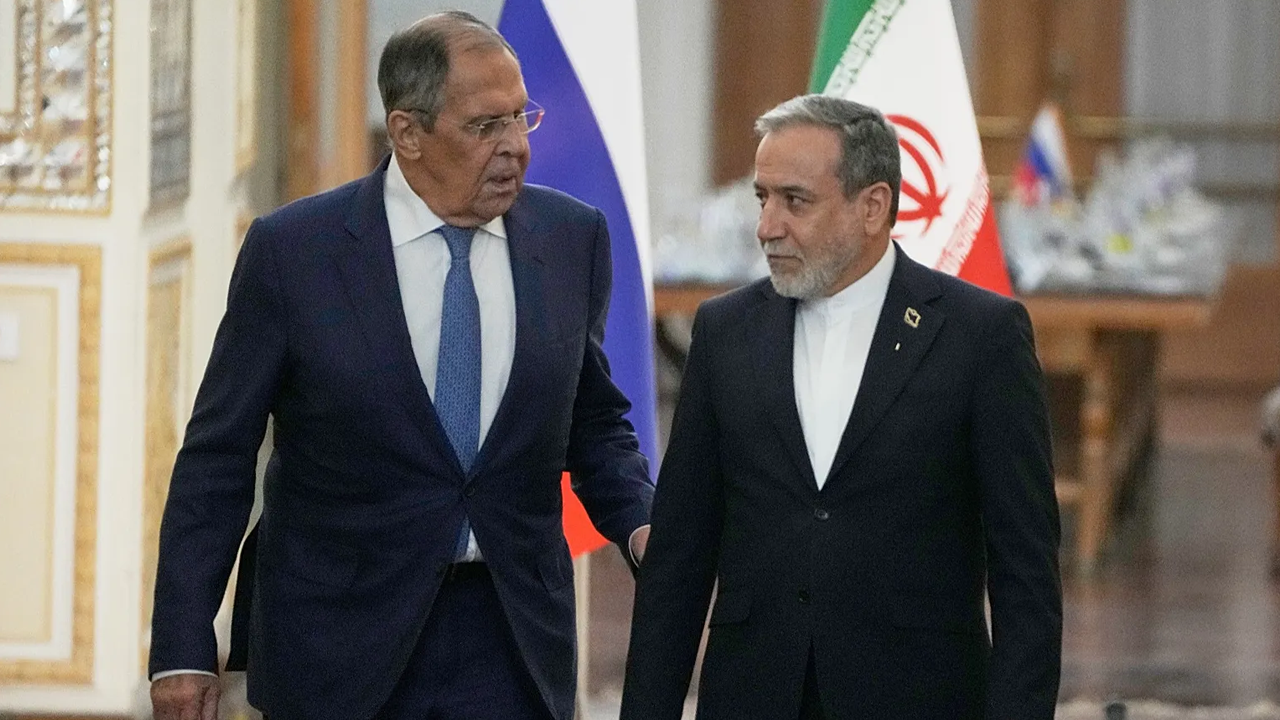
Darwin, October 20: Moscow has reaffirmed its full support for Tehran just hours after US President Donald Trump remarked that Russia was doing very little…
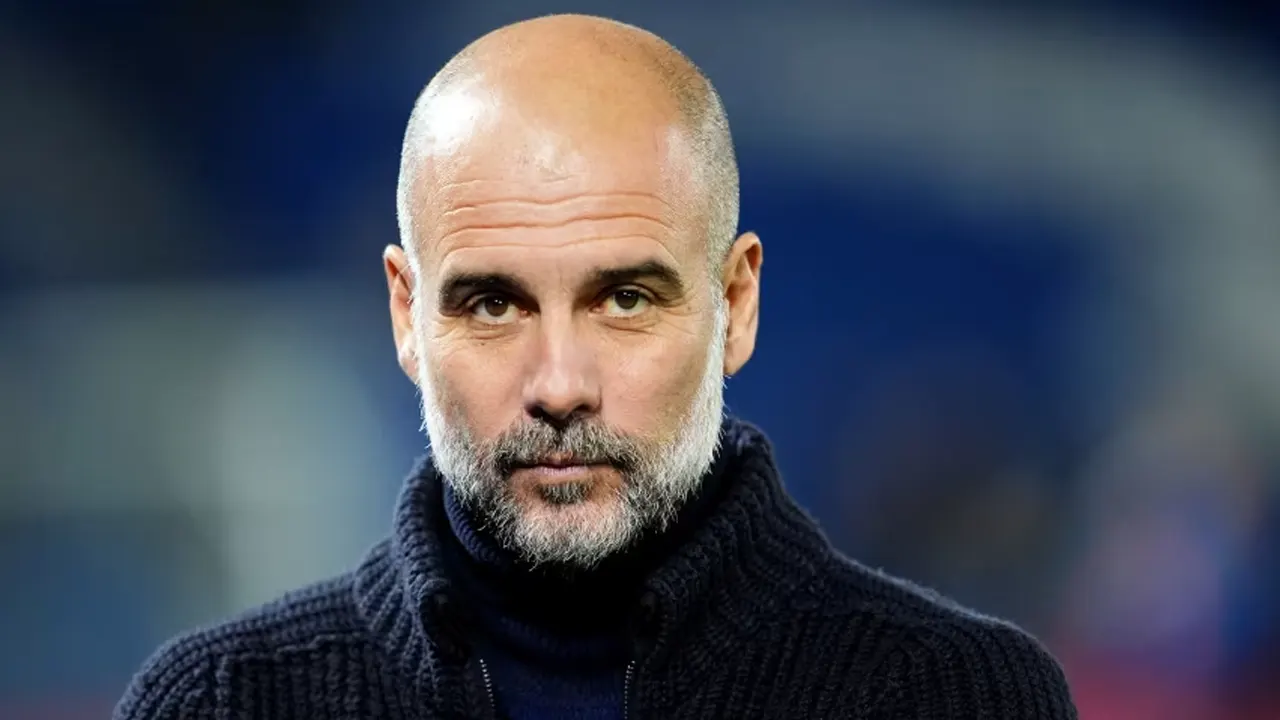
Darwin, October 19: Former Manchester City manager Pep Guardiola has urged the world not to forget the Palestinians in Gaza. In a video for the…