Bangladesh SSC Results Published; Pass Rate Lowest in 19 Years
Darwin, August 10: The pass rate in this year’s Secondary School Certificate (SSC) and equivalent examinations in Bangladesh has fallen to 62.25 percent, the lowest…



ROME: A deeply contentious sex education bill, fiercely championed by Prime Minister Georgia Meloni’s far-right coalition, has ignited political fury across Italy. The legislation, which recently passed the lower house of parliament, is intended to curb what the ruling parties refer to as “gender ideology and the woke bubble” in schools.
Italy currently stands as one of the few European Union nations without mandatory, comprehensive sex education, despite consistent evidence that such programs are crucial for preventing violence against women and girls.
The proposed law allows for the teaching of sex education in middle schools (for children aged 11-14), but crucially, it requires explicit written parental consent. The bill bans the subject entirely in primary schools and maintains the status quo in high schools. The measure now moves to the Senate for a final vote.
The government views mandatory sex education as a threat to traditional family values. Under-secretary for Education, Rossano Sasso, made the administration’s position clear when speaking to the lower house, stating that the bill would prevent “political activists” from engaging in “political propaganda” in schools.
Sasso concluded his speech with a provocative declaration, repeating the historical Italian fascist slogan: “God, country, and family,” adding that this creed “guides our political action.” He further warned that without strict oversight, leftwing politicians would “bring drag queens and porn actors into schools” to discuss topics like “sexual fluidity and surrogate motherhood.”
The bill has drawn immediate and fierce condemnation from opposition parties, who staged protests outside parliament, arguing the law is regressive and undermines national efforts to combat sexual violence and femicide. Sara Ferrari, a politician with the centre-left Democratic party, accused the bill of “putting obstacles in the way” of schools trying to implement tools vital for combating violence against women.
Despite strong political lobbying against mandatory sex education from pro-life groups and conservative religious elements—which have stalled 34 attempts at compulsory laws since 1975—public opinion is overwhelmingly in favour. Two separate surveys this year found that 90% of students and almost 80% of parents support sex education programs in schools.
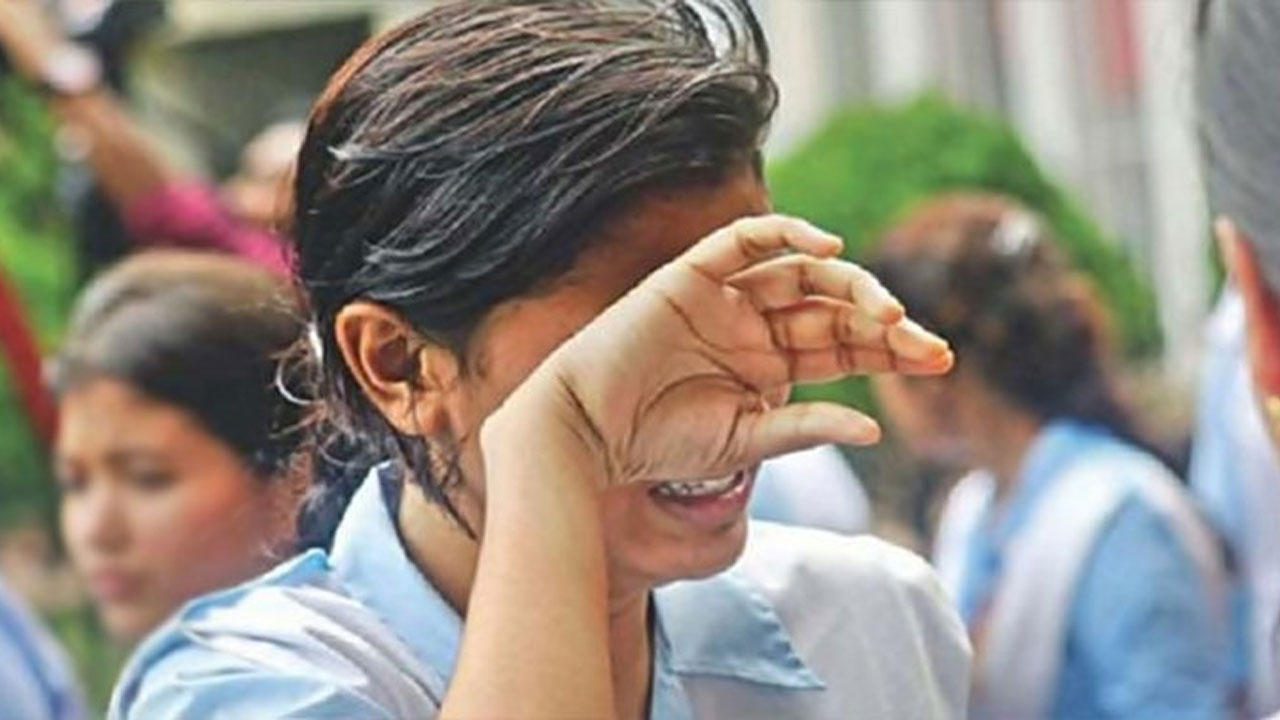
Darwin, August 10: The pass rate in this year’s Secondary School Certificate (SSC) and equivalent examinations in Bangladesh has fallen to 62.25 percent, the lowest…
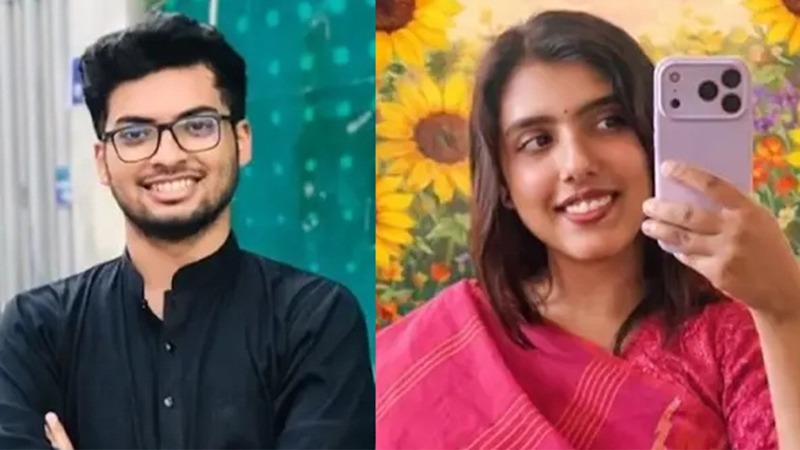
Darwin, 09 May : The University of South Florida (USF) has posthumously awarded PhD degrees to two Bangladeshi students, Jamil Ahmed Limon and Nahida Sultana…

UK universities are offering free lifelong careers advice to alumni. Learn how graduates in their 40s and 50s are using campus services to escape career ruts and secure new roles.
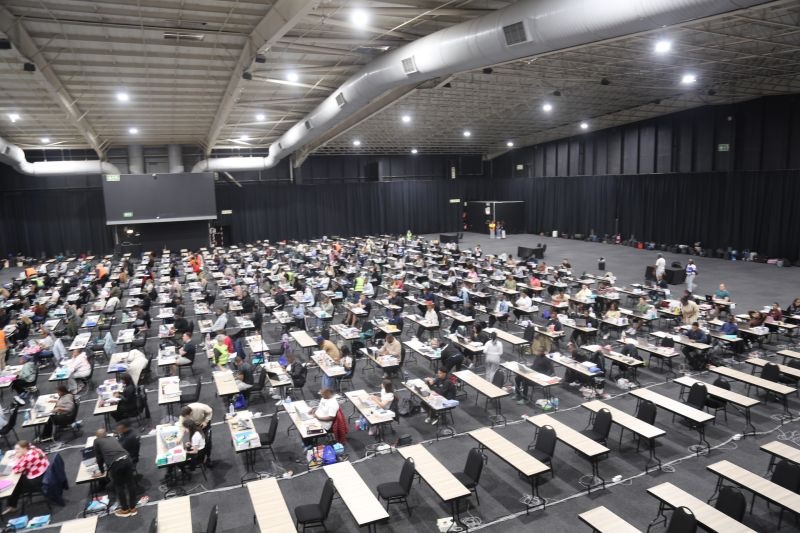
The Association of Chartered Certified Accountants (ACCA) will stop remote exams in March 2026 due to rising sophisticated cheating and AI tools.
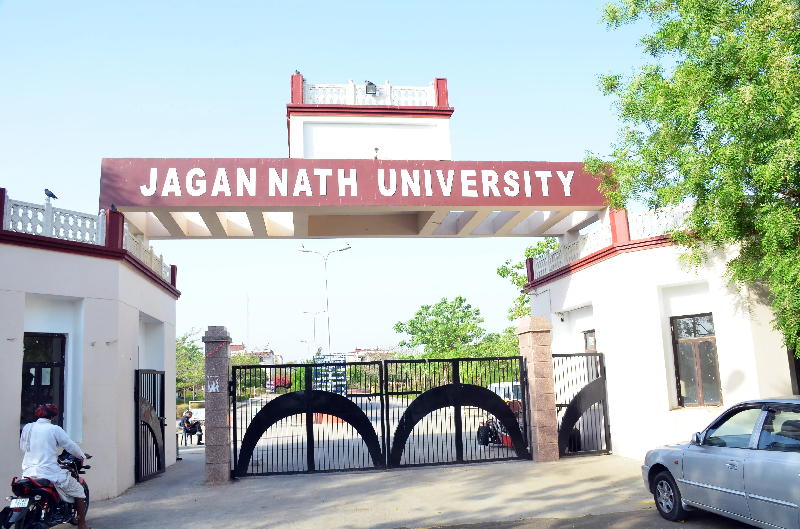
Jagannath University (JnU) administration orders students to vacate campus by 3:30 PM Monday ahead of the JnUCSU and Hall Union elections on Tuesday.
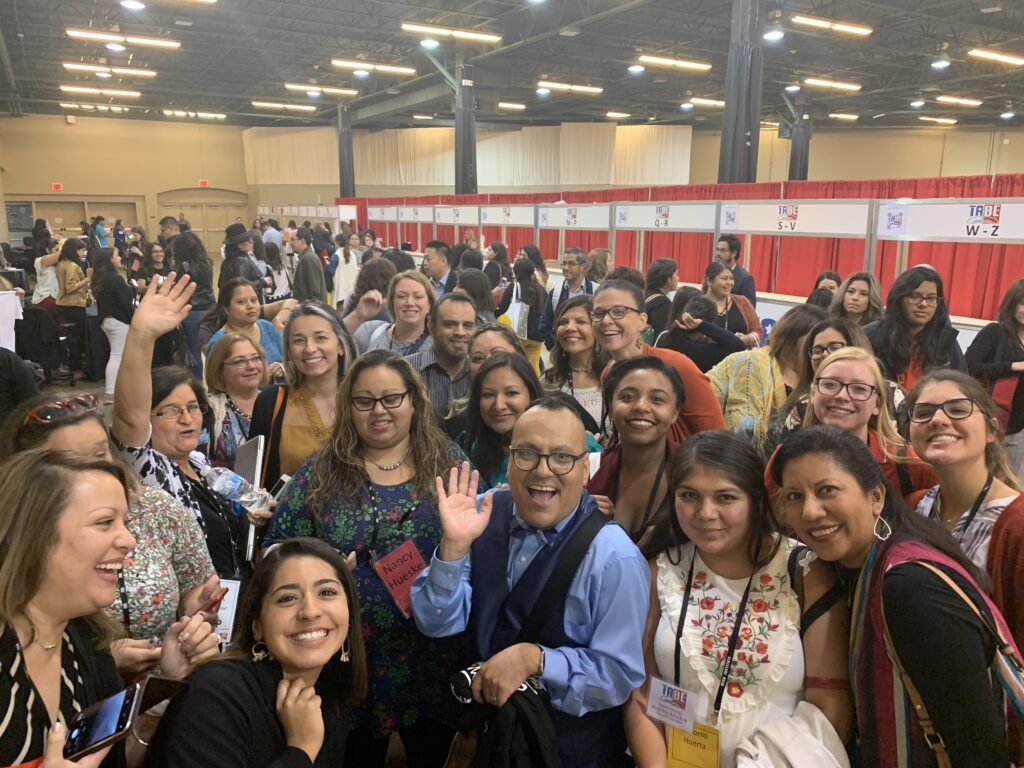
Former principal and researcher José Medina is changing how schools teach dual language education by moving from “linguistic oppression” to biliteracy.

Following a tragic mass shooting that left two dead and nine wounded, Brown University will release Early Decision admission offers tonight at 7 p.m. EST. The university is offering flexibility to applicants concerned about campus security as the attacker remains at large.

Darwin, August 31 — The beginning of university life is usually painted in dreams, freedom, and new possibilities. However, the reality is very different. More…