Bangladesh SSC Results Published; Pass Rate Lowest in 19 Years
Darwin, August 10: The pass rate in this year’s Secondary School Certificate (SSC) and equivalent examinations in Bangladesh has fallen to 62.25 percent, the lowest…



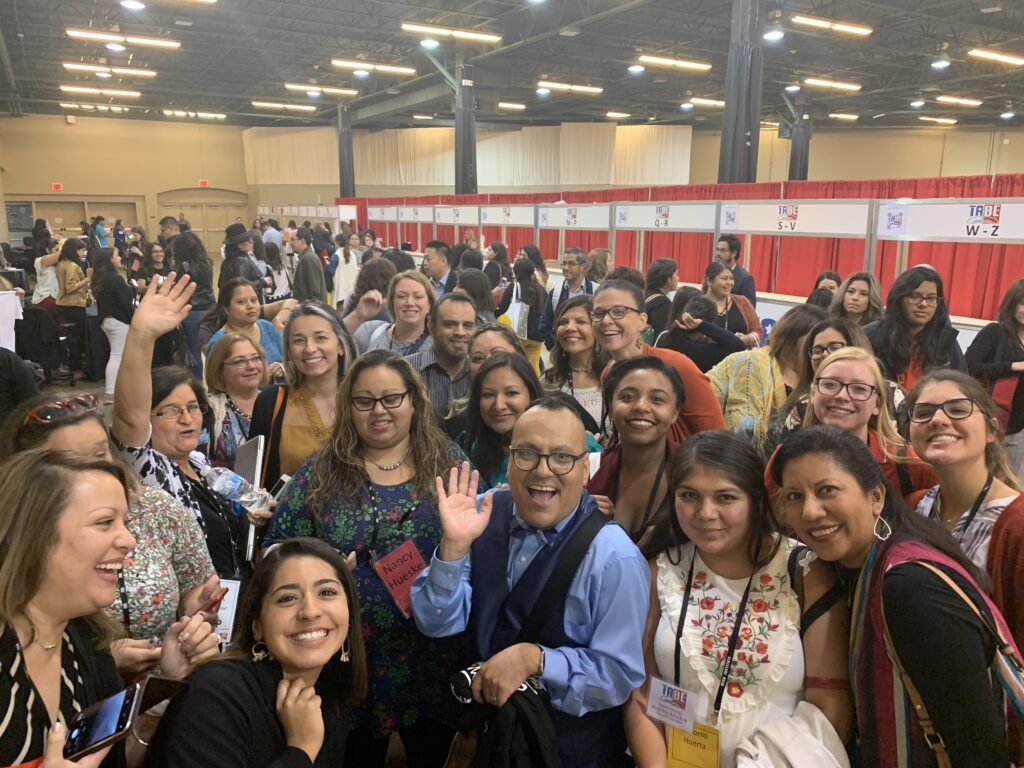
EL PASO: In the world of bilingual education, José Medina is frequently described as a “superstar.” A former teacher and principal turned researcher, Medina is currently crisscrossing the country to deliver a high-energy, research-backed message: students’ native languages are not obstacles to be overcome, but assets to be celebrated.
Medina, 54, is the co-author of the Guiding Principles for Dual Language Education. With a social media following in the tens of thousands across TikTok and Instagram, he has become the face of a movement to dismantle what he calls “linguistic oppression” in schools.
Medina’s philosophy is rooted in the idea that teachers are often unintentionally trained to be “linguistic oppressors”—correcting students for “Spanglish” or mixing languages (translanguaging).
“Once we own the fact that we’re linguistic oppressors, we can become linguistic oppressors in recovery,” Medina says. He encourages teachers to celebrate when a child says something like, “My mom is planching my clothes” (combining the Spanish planchar with the English suffix -ing). “We say, ‘Oh my goodness, look at you, moving the parts of language that you needed!'”
Medina’s work isn’t just about “sauciness” and energy; it’s grounded in data. He works primarily with dual language schools to move away from rigid models where math or literacy is taught exclusively in one language.
“We’ll teach the kids to read in Spanish or Mandarin solely in the early childhood grades, but we never make the connection to English literacy,” Medina explains. Instead, he advocates for teaching literacy in both languages from the start, ensuring students can “mobilize” their content understanding across both linguistic spaces.
The impact of Medina’s coaching is reflected in student performance. Lisa Lamb, CEO of Norton Science and Language Academy in San Bernardino, reported a nearly 30-point jump in English and math scores after two years of working with Medina.
“His presence in the field has made a significant impact,” says dual language specialist Julie Melgosa Benmellah. “He has the ability to challenge teachers without putting them on the defensive.”
As schools across the U.S. continue to grapple with how to serve a growing population of multilingual learners, Medina’s “wows, wonders, and what ifs” are providing a roadmap for an education system that values a child’s whole identity.

Darwin, August 10: The pass rate in this year’s Secondary School Certificate (SSC) and equivalent examinations in Bangladesh has fallen to 62.25 percent, the lowest…

Darwin, 09 May : The University of South Florida (USF) has posthumously awarded PhD degrees to two Bangladeshi students, Jamil Ahmed Limon and Nahida Sultana…

UK universities are offering free lifelong careers advice to alumni. Learn how graduates in their 40s and 50s are using campus services to escape career ruts and secure new roles.
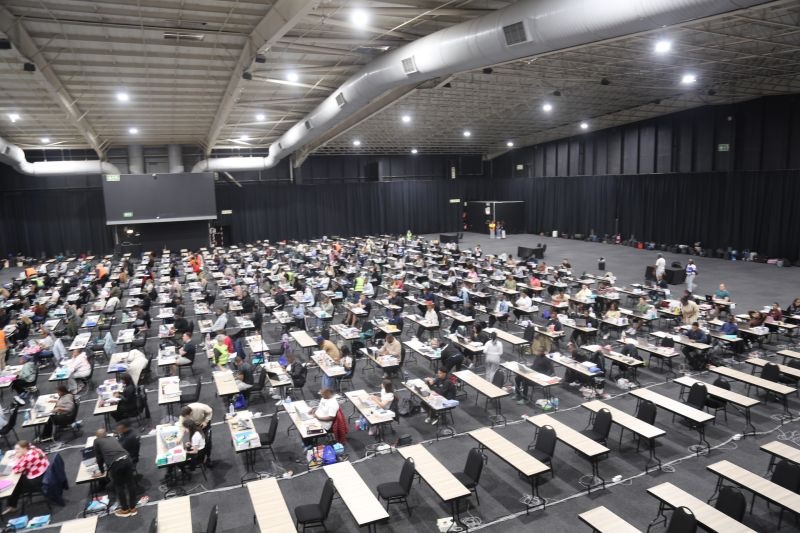
The Association of Chartered Certified Accountants (ACCA) will stop remote exams in March 2026 due to rising sophisticated cheating and AI tools.
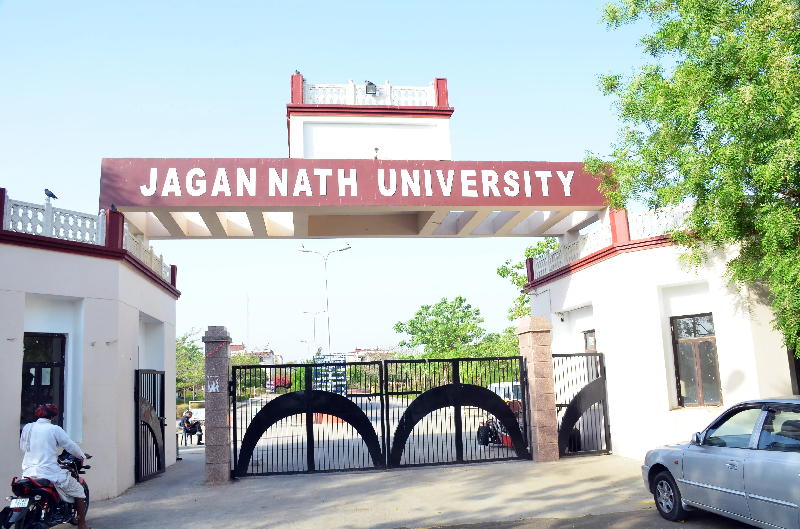
Jagannath University (JnU) administration orders students to vacate campus by 3:30 PM Monday ahead of the JnUCSU and Hall Union elections on Tuesday.

Following a tragic mass shooting that left two dead and nine wounded, Brown University will release Early Decision admission offers tonight at 7 p.m. EST. The university is offering flexibility to applicants concerned about campus security as the attacker remains at large.

Italy’s far-right government passes a restrictive sex education bill in the lower house, with a minister declaring a win over “gender ideology and the woke bubble

Darwin, August 31 — The beginning of university life is usually painted in dreams, freedom, and new possibilities. However, the reality is very different. More…