Oil Prices Rise in Global Markets on Fears of Middle East Supply Disruptions
Darwin, October 21: Oil prices rose in global markets on Wednesday as traders grew concerned about potential disruptions to oil supplies in the Middle East,…



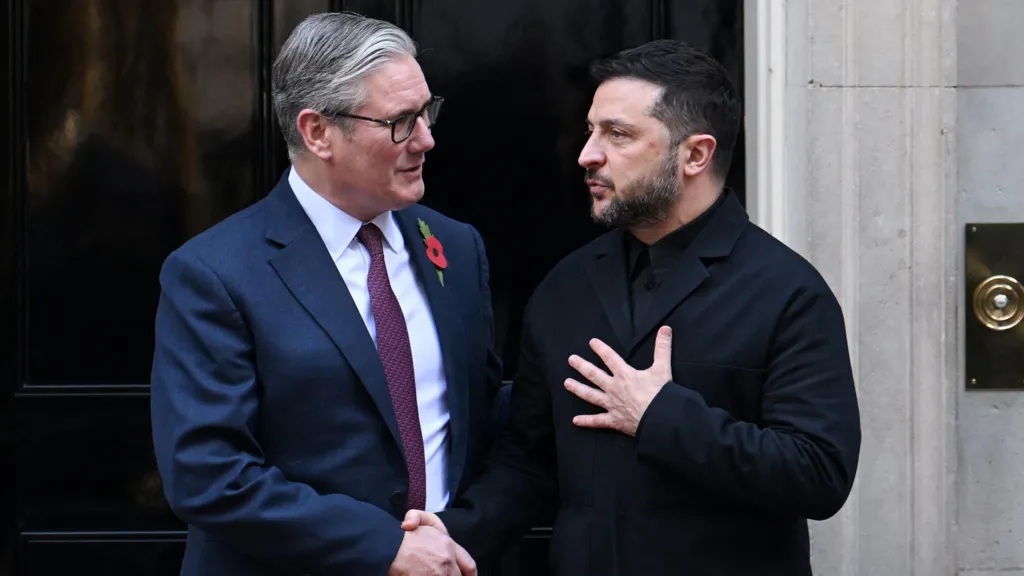
LONDON: Ukrainian President Volodymyr Zelensky is meeting today with the leaders of France, Germany, and the UK in London to coordinate a robust European strategy, aimed at ensuring any peace deal with Russia includes comprehensive security guarantees that deter future attacks.
The high-level talks, which include Prime Minister Sir Keir Starmer, French President Emmanuel Macron, and German Chancellor Friedrich Merz, are taking place amid growing tension over a US-led peace plan that is widely perceived as demanding too many concessions from Kyiv.
The London meeting follows three days of “constructive, though not easy” negotiations in Florida between U.S. and Ukrainian envoys. The proposed US-backed plan suggests Ukraine withdraw its forces entirely from eastern regions that Russia has tried to seize, in exchange for Russian withdrawals elsewhere and a cessation of fighting.
Adding fuel to the controversy, US President Donald Trump appeared to criticize Zelensky on Sunday, stating he was “a little disappointed that President Zelensky hasn’t yet read the proposal,” while claiming Russia was “fine with it.”
Zelensky confirmed he was due for a personal briefing on the sensitive negotiations, noting that “some issues can only be discussed in person” rather than over the phone.
The primary goal of the European allies is to carve out a role in the US-led efforts, which they fear may prioritize a quick end to the war over the continent’s long-term security. UK cabinet minister Pat McFadden stressed the need for “meaningful security guarantees,” rejecting any “toothless organisation.”
The UK and France have been leading talks to assemble the Multinational Force Ukraine, a proposed coalition designed to offer future defense support, including a possible assurance force deployed within the country. While Germany, Italy, and Poland have pledged assistance, they remain cautious about deploying troops inside Ukraine, a move the Kremlin has labeled an escalation.
Negotiations also remain particularly fraught around the fate of the Zaporizhzhia nuclear power plant, with a leaked early draft suggesting splitting the power generated by the Russian-controlled facility between Russia and Ukraine.
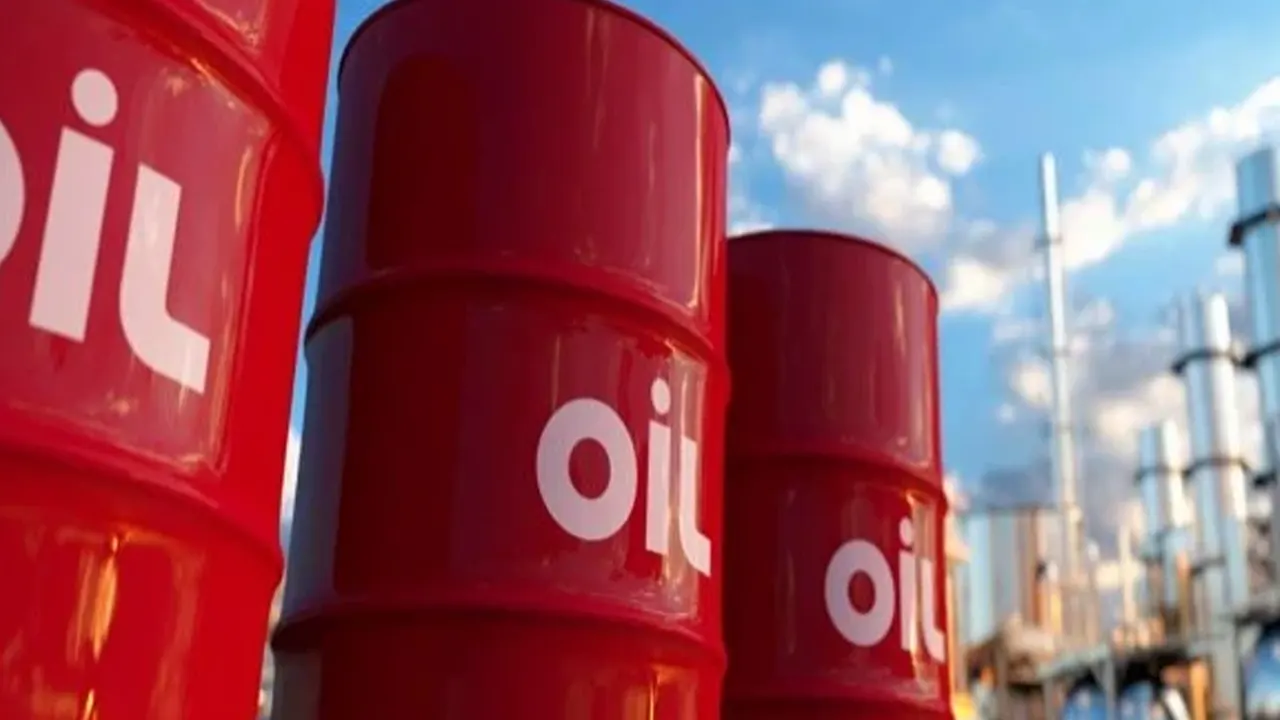
Darwin, October 21: Oil prices rose in global markets on Wednesday as traders grew concerned about potential disruptions to oil supplies in the Middle East,…
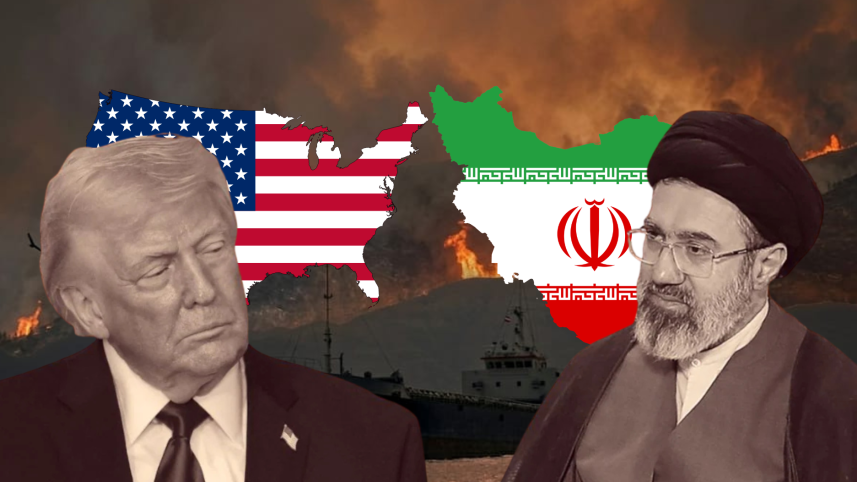
Darwin, October 21: Iran is prolonging negotiations with Washington in an attempt to politically weaken President Donald Trump ahead of the US midterm elections, according…

Darwin, October 21: Today is the auspicious occasion of Bijaya Dashami. The five-day Sharadiya Durga Puja, the biggest religious festival of the Hindu community, officially…

Darwin, October 20: Today is Maha Navami, the ninth day of Sharadiya Durga Puja. Members of the Hindu community will observe the day through religious…
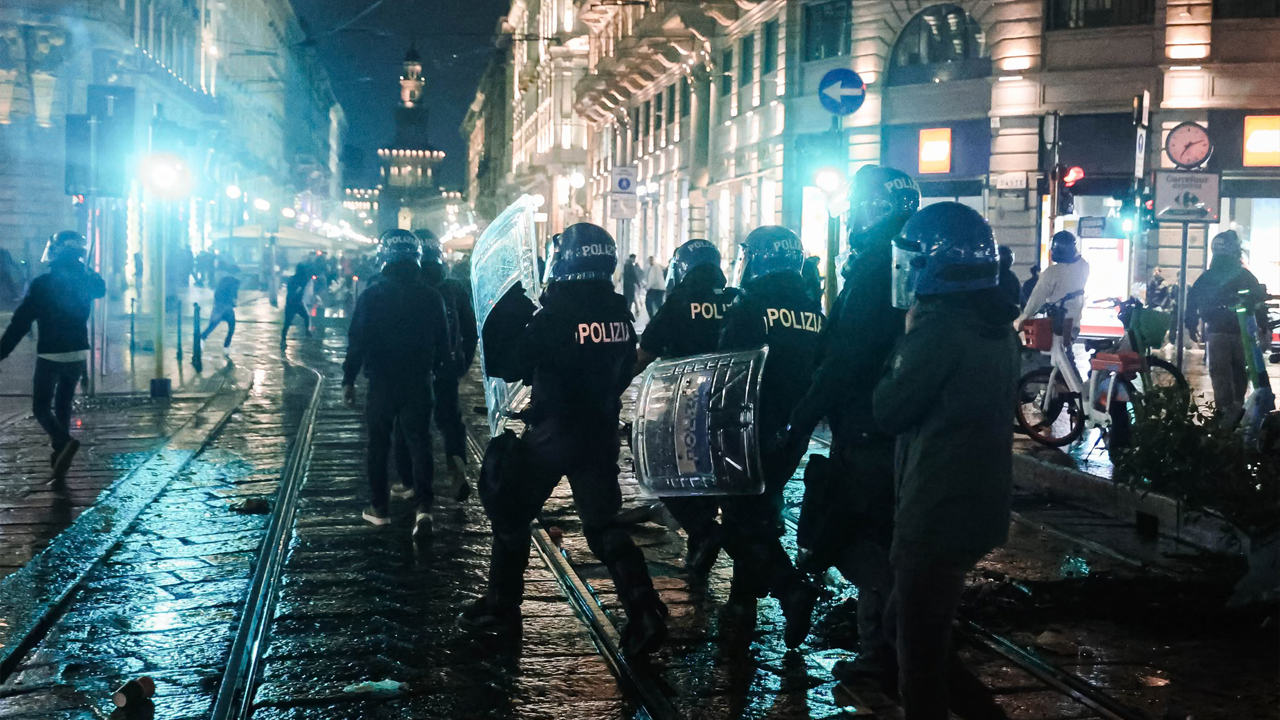
Darwin, October 20: Protests and violence over the rising cost of living have erupted in Italy, one of Europe’s largest economies, following similar unrest in…
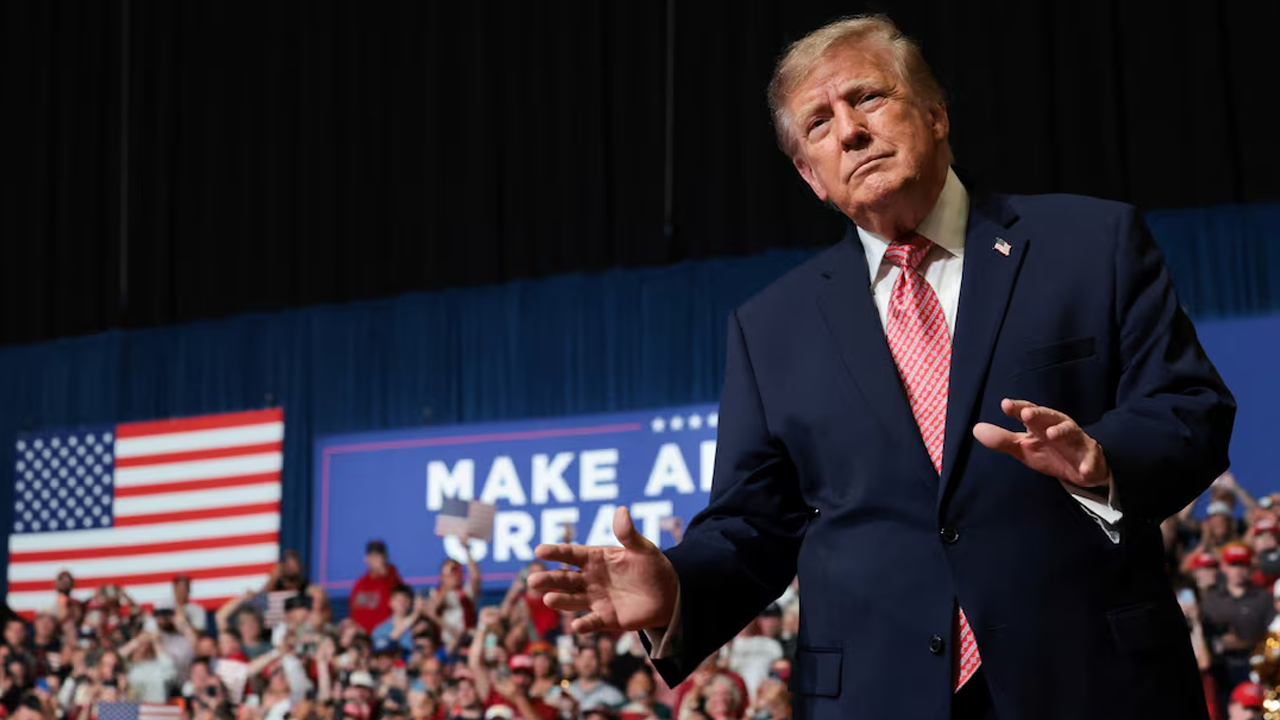
Darwin, October 20: US President Donald Trump has warned that protests and violence similar to those in France could spread across the United States if…
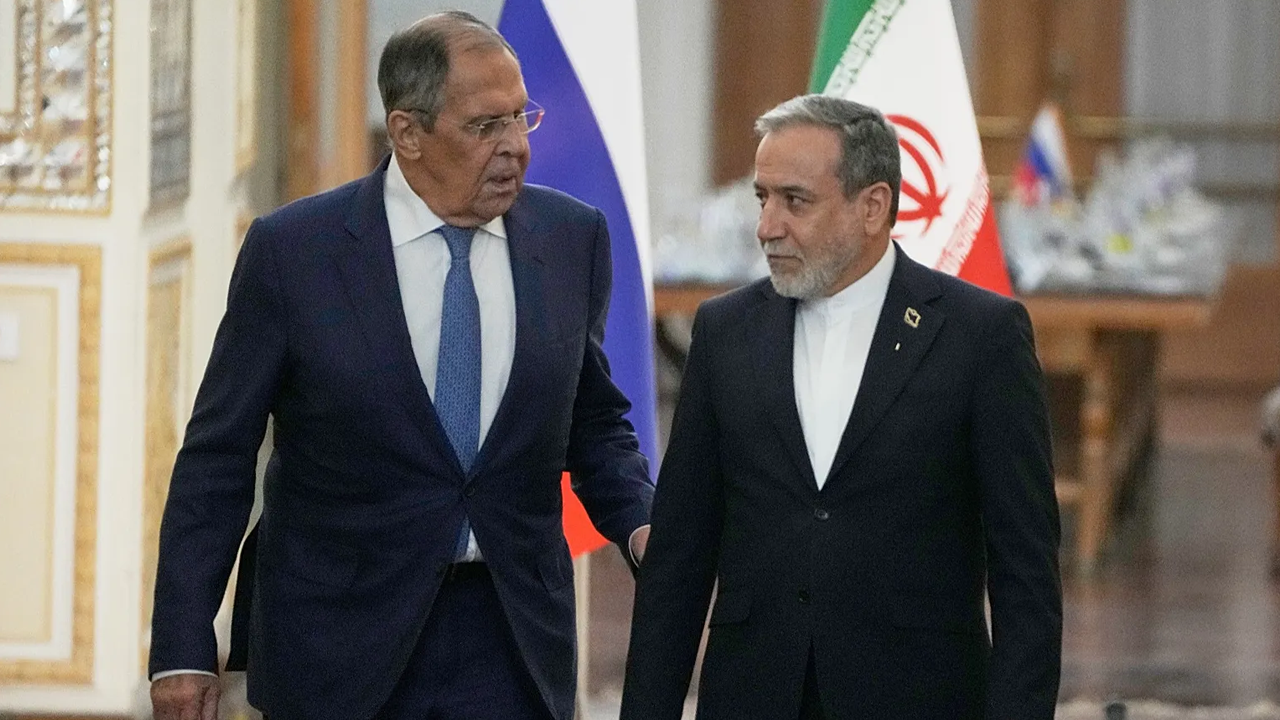
Darwin, October 20: Moscow has reaffirmed its full support for Tehran just hours after US President Donald Trump remarked that Russia was doing very little…
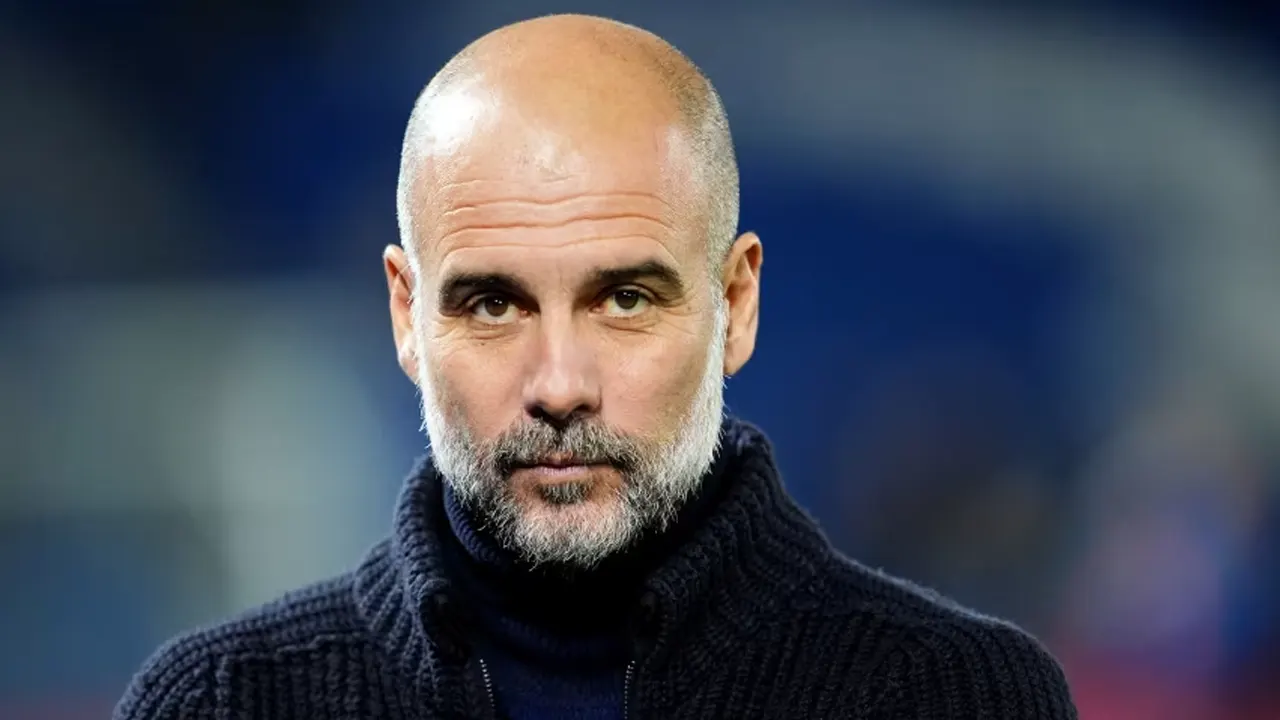
Darwin, October 19: Former Manchester City manager Pep Guardiola has urged the world not to forget the Palestinians in Gaza. In a video for the…