51 years since the assassination of Bangabandhu
Darwin, August 15 : The death anniversary of Bangabandhu Sheikh Mujibur Rahman, the architect of independent Bangladesh, is being observed today, August 15. On this…



Darwin, 26 September-
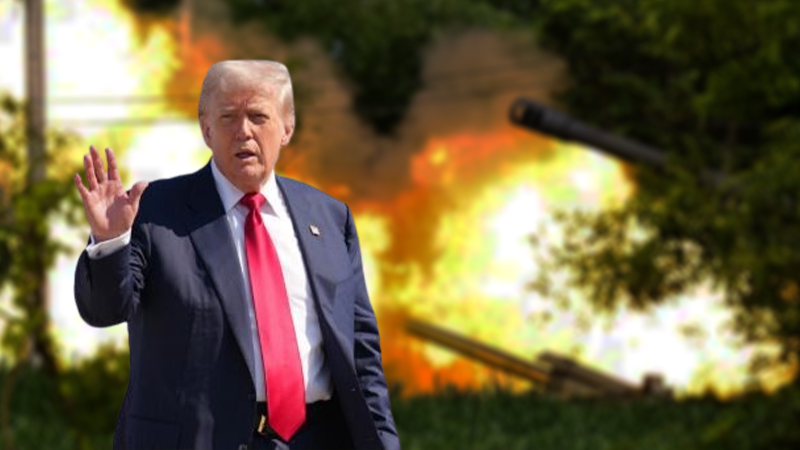
U.S. President Donald Trump, despite his long-standing desire for international recognition, is highly unlikely to receive the Nobel Peace Prize this year. Experts and analysts argue that many of his recent actions have been contrary to the principles of peace and diplomacy, which the Nobel Committee traditionally honors.
One of the primary reasons is the committee’s emphasis on independence and impartiality. The Nobel Peace Prize has historically been awarded to individuals or organizations whose work strengthens global stability, resolves conflicts, and fosters reconciliation. Many observers believe that Trump’s foreign policy decisions have undermined these goals rather than supporting them.
Among the decisions drawing criticism are Trump’s strong support for Israel during the recent Gaza conflict and his attempts to foster closer ties with Russian President Vladimir Putin. These moves are seen by some international analysts as contrary to the ideals of conflict resolution and peace-building. Additionally, his withdrawal of the U.S. from international agreements and organizations, including the World Health Organization and the Paris Climate Agreement, has created tension with allies and weakened global cooperation on critical humanitarian and environmental issues.
Trump’s domestic and international strategies, such as initiating trade conflicts with allied nations and reducing foreign aid contributions, are also cited as reasons for his reduced likelihood of recognition. Experts argue that these actions diminish the credibility of the U.S. as a stabilizing force and have a direct impact on vulnerable populations in conflict zones.
Historically, the Nobel Peace Prize has occasionally recognized controversial figures; however, in most cases, recipients demonstrated a clear trajectory toward reconciliation or significant humanitarian impact. In contrast, current assessments of Trump’s actions suggest that they do not meet the committee’s standards for promoting global peace.
This year, observers predict that the Nobel Peace Prize may be awarded to humanitarian organizations or international agencies actively engaged in conflict zones, such as the United Nations Refugee Agency, UNICEF, Red Cross, Doctors Without Borders, or local emergency response organizations in Sudan. These groups’ consistent efforts to alleviate human suffering and address crises align closely with the ideals of the award.
Nobel historians and experts conclude that, given his recent policies and international actions, Donald Trump is extremely unlikely to be honored with the Peace Prize in 2025.
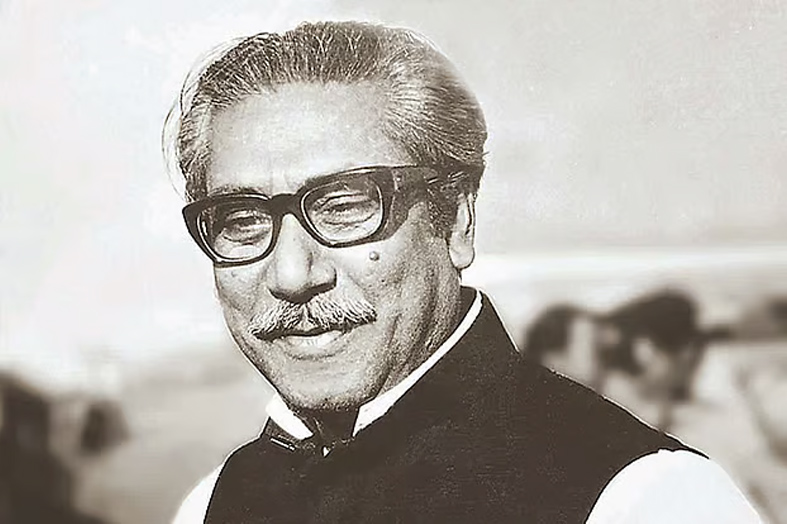
Darwin, August 15 : The death anniversary of Bangabandhu Sheikh Mujibur Rahman, the architect of independent Bangladesh, is being observed today, August 15. On this…
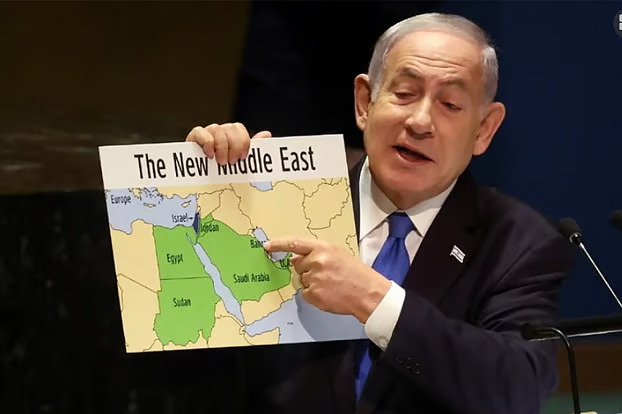
Darwin, 19 June : Over the past 25 years, the United States has experienced several military setbacks in the Middle East, but the war with…
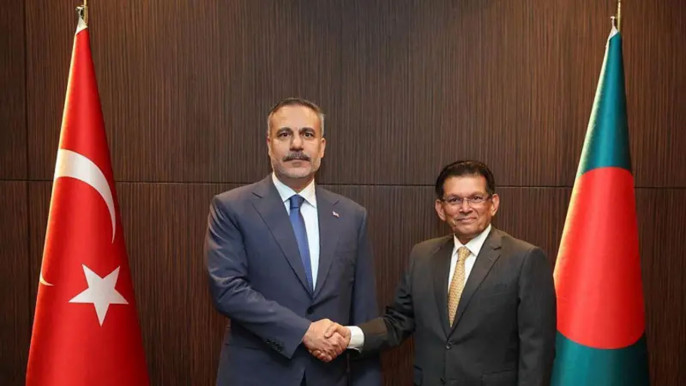
Darwin, 12 June : Turkey’s proposal to strengthen cooperation with Bangladesh in the defense industry, raised during Turkish Foreign Minister Hakan Fidan’s visit to Dhaka,…

Darwin, 14 May : The growing tendency among European leaders to publicly criticize Donald Trump can no longer be viewed as the result of any…

Darwin, 15 December: A senior Bangladeshi journalist has been detained by the Detective Branch (DB) of police following demands from several reactionary groups and activists,…

Ousted PM Sheikh Hasina warns that millions of supporters will boycott the next national election after the Awami League was banned. In her first media engagement since fleeing, Hasina, from New Delhi, questions the polls’ legitimacy

Australian News Time: A widespread controversy has erupted on social media and within the campus over Shree Shanto Roy, a student of Bangladesh University of…
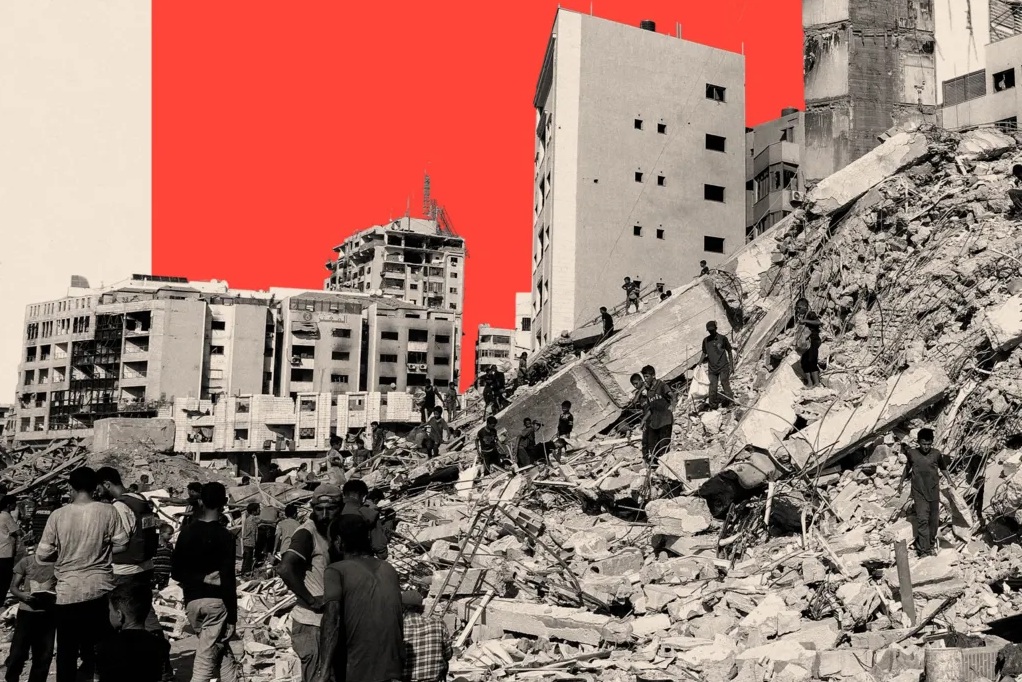
Ayish Younis, an 89-year-old Palestinian, is displaced again, living in a tent in Gaza after his home was destroyed, echoing his exile during the 1948 Arab-Israeli War