Pritom Hasan and Shehtaz Monira End 10-Year Relationship, Move Towards Divorce
Darwin, October 05: Popular Bangladeshi singer and actor Pritom Hasan and model-actress Shehtaz Monira Hashem have decided to end their marriage after a decade together,…




DHAKA: Thousands of mobile phone shops, particularly across Dhaka’s key markets, remained shuttered today as part of a nationwide protest against the impending implementation of the National Equipment Identity Register (NEIR) system, set to go into effect on December 16.
NEIR, a system designed to block illegal, cloned, or unregistered mobile handsets from accessing mobile networks, is championed by the government to curb tax evasion and ensure national security. However, small traders argue the policy’s structure, coupled with existing tariff issues, will effectively wipe out their segment of the market.
The protest, announced by the Mobile Business Community Bangladesh (MBCB), rests on two core pillars of reform.
Tax Parity: A reduction in the current 58% import duty on fully built handsets. Traders argue this high rate forces them to deal in devices brought through unofficial channels, often via “luggage baggage.” They point out that local assemblers receive significant tax breaks, creating an unfair playing field.
End to Monopoly: The MBCB alleges that a syndicate of around 11 large businesses is controlling the formal import and distribution channels. The current requirements, such as obtaining a ‘mother company’s certificate’ (e.g., for importing an iPhone), make it practically impossible for small traders to import legally, thus forcing them to rely on the grey market and protecting the monopoly.
“We want the government to reduce the current tax rate and bring us under their rules and regulations,” said Md Kabir, a shop owner at Bashundhara City. MBCB acting president, Shamim Mollah, added, “NEIR must be restructured. We also want to pay tax. BTRC should also remove the barriers to importing phones legally.”
Notably, authorized sellers and local manufacturers did not participate in the shutdown, signaling a deep divide within the industry over the NEIR’s potential impact.

Darwin, October 05: Popular Bangladeshi singer and actor Pritom Hasan and model-actress Shehtaz Monira Hashem have decided to end their marriage after a decade together,…
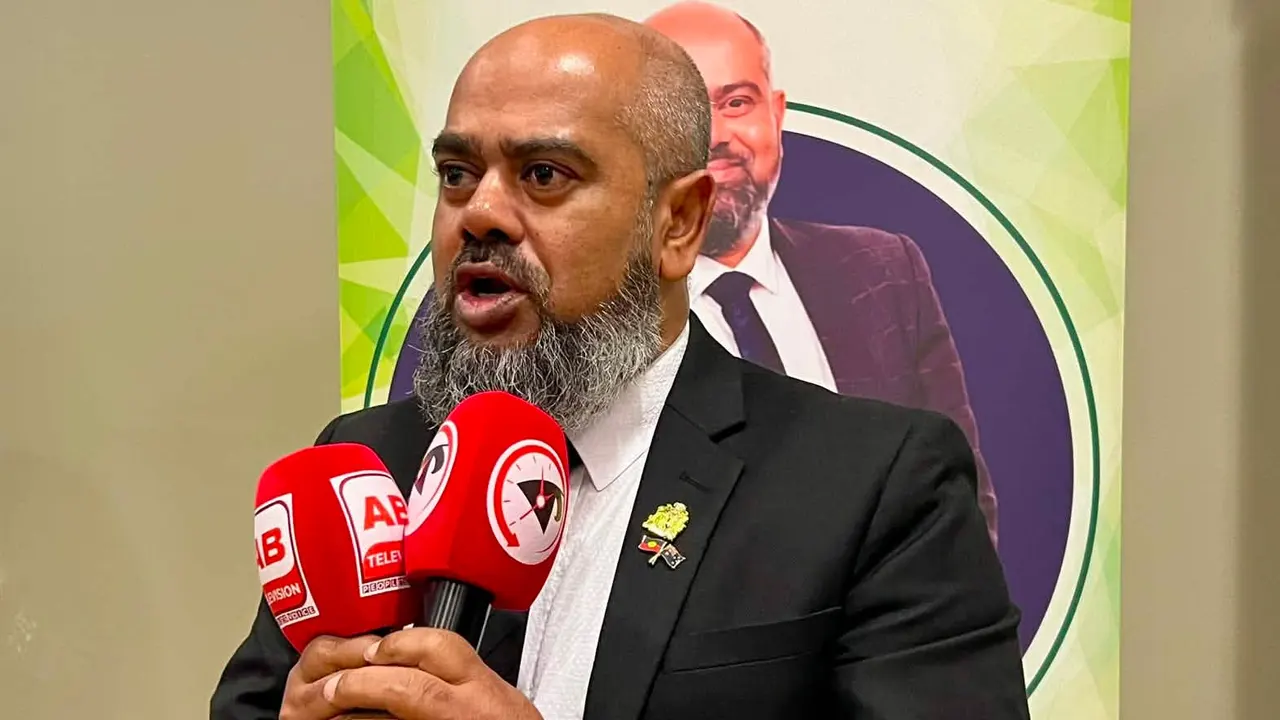
Darwin, September 06: Bangladeshi-Australian community leader and Campbelltown City Councillor and former Deputy Mayor Mohammad Ibrahim Khalil Masud has formally announced his candidacy for the…

Dhaka, September 6: One of the largest Pir-Mashaikh conferences was held in the capital Dhaka, bringing together around 3,000 delegates from home and abroad, including representatives…
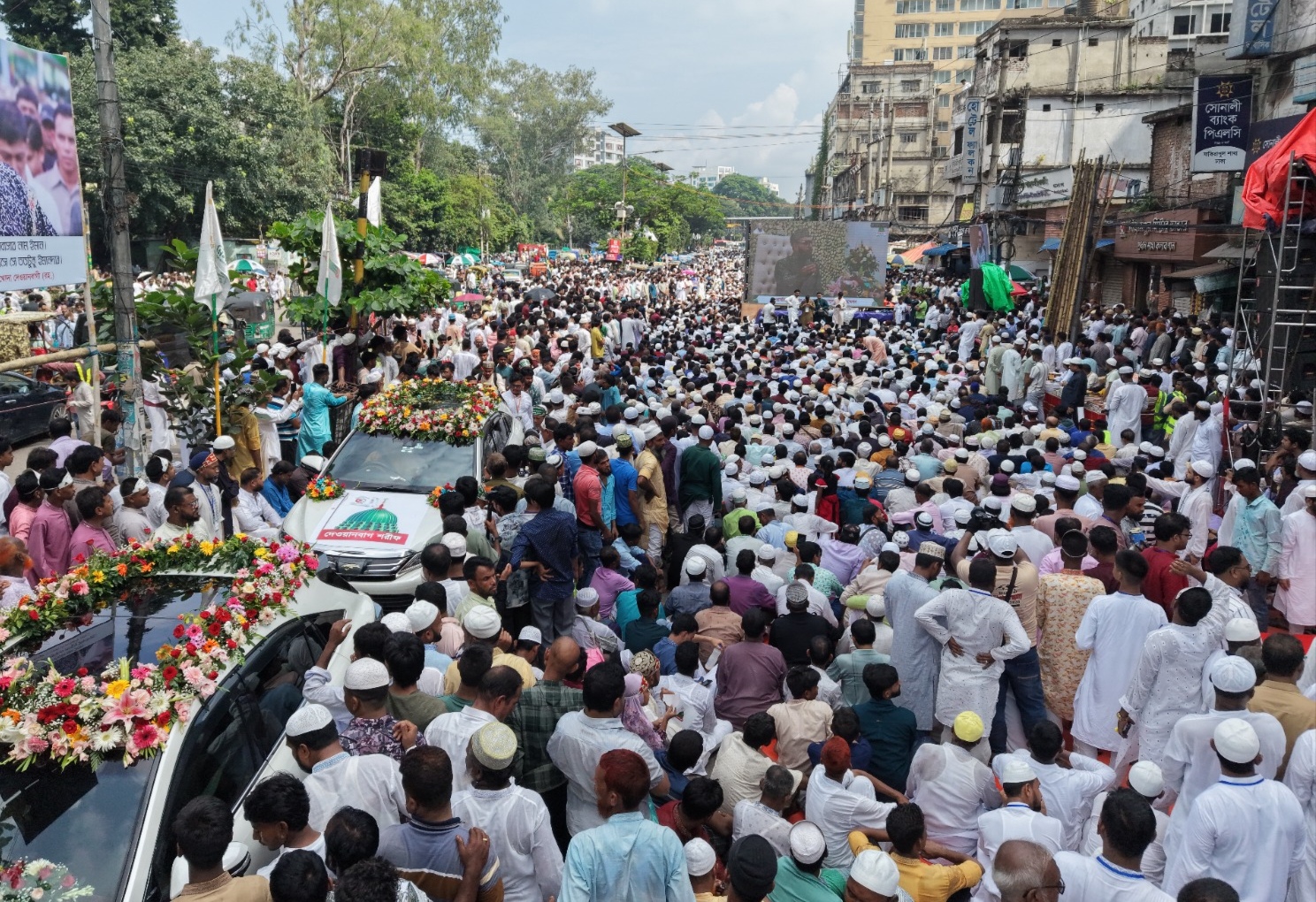
Darwin, August 27: More than 100,000 devotees took part in a colourful rally in Dhaka to mark the 1,501st birth anniversary of Prophet Muhammad (PBUH),…
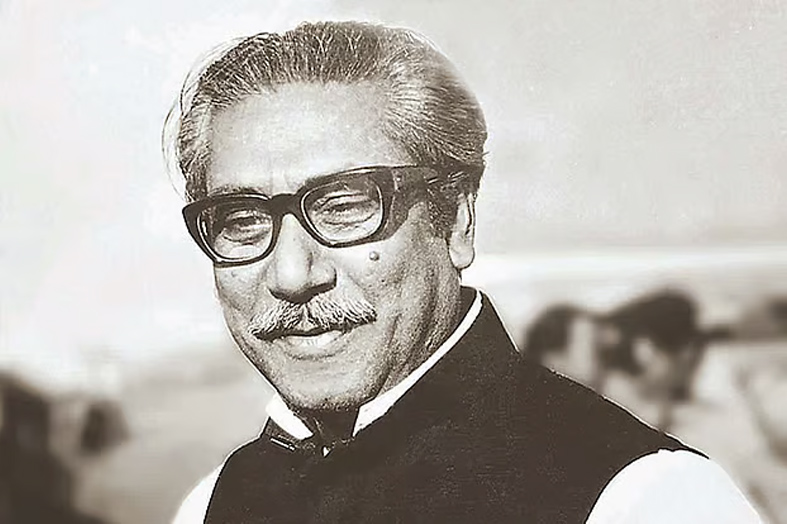
Darwin, August 15 : The death anniversary of Bangabandhu Sheikh Mujibur Rahman, the architect of independent Bangladesh, is being observed today, August 15. On this…

Darwin, 15 August : The United Nations has expressed concern over attempts to establish cells of al-Qaeda in Bangladesh. The concern was raised in a…

Darwin, August 10: The pass rate in this year’s Secondary School Certificate (SSC) and equivalent examinations in Bangladesh has fallen to 62.25 percent, the lowest…

Darwin, August 10: Sixteen Bangladeshi workers have died in a devastating fire at a sofa factory in the Musa Sanaya area of Riyadh, the capital…