Silver, Platinum and Palladium Prices Fall in Global Markets
Darwin, September 8: Precious metal prices declined in the international market on Tuesday. In the spot market, silver prices fell 0.5% to $65.76 per ounce….



SEOUL, SOUTH KOREA — The dramatic divorce saga involving South Korean billionaire Chey Tae-won, Chairman of the powerful SK Group conglomerate, has taken a stunning turn. The Supreme Court on Thursday struck down a lower court’s order for Chey to pay his ex-wife, Roh So-young, a massive 1.38 trillion won ($1 billion) settlement, in a case dubbed by local media as the “divorce of the century.”
The top court cited a fundamental miscalculation that inflated the value of the couple’s joint assets and ordered the case to be reviewed by the lower court. The high-profile case, which has gripped the nation due to Chey’s corporate stature and Roh’s lineage as the daughter of former President Roh Tae-woo, originally centered on Roh’s alleged contribution to the growth of SK Group.
In 2024, the Seoul court ruled the settlement—the largest in South Korean history at the time—was warranted, arguing that a 30 billion won slush fund provided by Roh’s father had contributed to the group’s success and could be counted toward the joint marital assets.
However, the Supreme Court today explicitly rejected this premise. The court ruled that the slush fund “appeared to have originated from bribes illegally received” by the former president, and therefore, could not be legally recognized as part of the couple’s assets eligible for division.
“I think it is very significant that the Supreme Court clearly declared that it was wrong to recognise that as a contribution to the couple’s joint property,” said Chey’s lawyer, Lee Jae-geun.
Despite overturning the asset division, the Supreme Court upheld a 2 billion won alimony payment for Ms. Roh. The ongoing legal turmoil stems from the couple’s marriage unraveling in 2015 after Mr. Chey publicly admitted to fathering a child with his lover.
Following the Supreme Court’s decision, shares of SK fell 5.4% on Thursday. Analysts noted the decline was driven by the ruling’s effect of prolonging Chey’s legal battle rather than immediate financial risk.
Chey, whose SK Group spans telecommunications, energy, pharmaceuticals, and semiconductors, controls key subsidiaries like SK Telecom and SK Innovation. Analysts believe a short-term shake-up at the conglomerate is unlikely, as the billionaire is not immediately forced to raise funds for a settlement. The case now returns to a lower court to be re-evaluated based on the Supreme Court’s strict parameters.
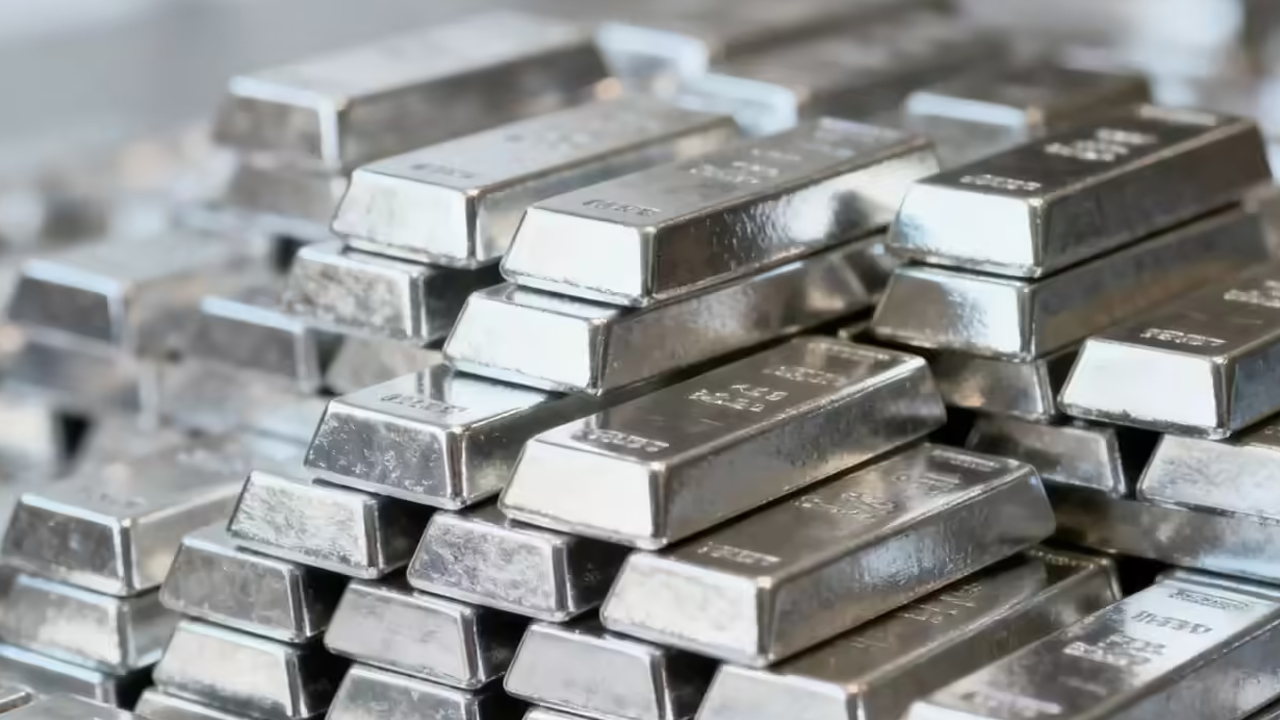
Darwin, September 8: Precious metal prices declined in the international market on Tuesday. In the spot market, silver prices fell 0.5% to $65.76 per ounce….

Darwin, August 03: Global sulfur prices have surged by 134% due to supply disruptions caused by the Iran–U.S. conflict, raising fertilizer production costs and increasing…

Darwin, 24 July : The European Union (EU) has fined tech giant Google €890 million (approximately US$1 billion) for violating the bloc’s digital antitrust rules….
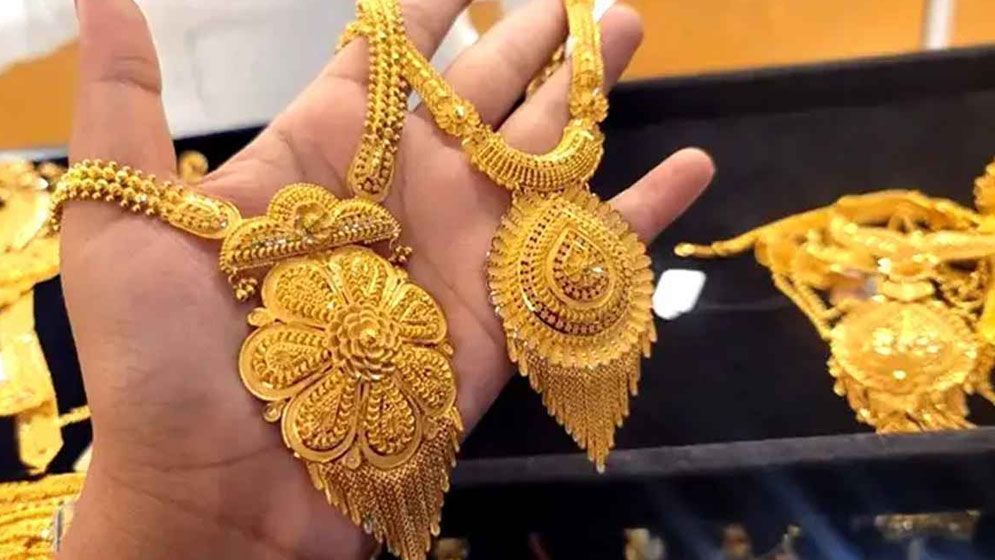
Darwin, 26 June : International gold prices declined for a third consecutive day, with the precious metal now trading below the $4,000-per-ounce mark following the…

Darwin, 26 June : Global oil prices fell to their lowest levels since before the Iran conflict, as expectations of increased crude supplies from the…

Darwin, 15 May: Prices of edible oils such as soybean, palm, and sunflower continue to rise in the global market, reaching their highest level since…

Darwin, 07 February: According to a report from BBC, Saudi Arabia expanded alcohol sales beyond diplomats at the end of 2025. Previously, only foreign diplomats…

Get fit with ease! Gold’s Gym Bangladesh and City Bank announce interest-free EMI, Amex discounts, and free nutrition plans for members.