Silver, Platinum and Palladium Prices Fall in Global Markets
Darwin, September 8: Precious metal prices declined in the international market on Tuesday. In the spot market, silver prices fell 0.5% to $65.76 per ounce….



LONDON – Lamborghini plans to keep internal combustion engines (ICE) in its supercars for at least the next decade, with CEO Stephan Winkelmann citing a noticeable drop in enthusiasm for all-electric vehicles (EVs) among high-end buyers.Speaking from the Italian marque’s London showroom, Winkelmann revealed that the luxury carmaker is re-evaluating its long-term electrification strategy, which was due to culminate in all-electric models by the end of the decade.”Today enthusiasm for electric cars is going down,” Winkelmann said.
“We see a huge opportunity to stay with internal combustion engines and a battery system much longer than expected.”Hybrid Focus and Delayed EV PlansLamborghini, a brand under the Volkswagen Group, is now focusing on plug-in hybrid (PHEV) technology, which powers its newest supercars, the Temerario and Revuelto.1 While these cars can drive short distances on electric power, they retain powerful petrol engines to deliver the performance and sound customers demand.
The company’s planned all-electric models are now in doubt:Urus Successor: An all-electric replacement for the best-selling Urus SUV was shelved and is not expected before 2035.Lanzador GT: The future of the brand-new, battery-powered Lanzador grand tourer is uncertain. Winkelmann stated the company will decide within the next month whether the model will be all-electric or transitioned into a plug-in hybrid.Winkelmann insisted that continuing to offer ICE-based hybrids for another 10 years is “paramount for the success of the company,” based on customer preference.
“They still want the sound and the emotion of an internal combustion engine,” he explained.This approach contrasts sharply with that of arch-rival Ferrari, which is pushing ahead with its first all-electric model, the aptly-named Elettrica, set for unveiling next year.Emissions and Regulatory ExemptionsAddressing the pressure to cut emissions, the CEO argued that Lamborghini’s low production volume—selling only about 10,000 cars annually compared to the global 80 million—means its environmental impact “is not that important,” though he maintains the business is “socially responsible.
“Lamborghini’s strategy may benefit from regulatory loopholes. While the EU and UK aim to ban the sale of new petrol/diesel cars (including PHEVs) by 2035, the UK provides an exemption for “low volume” manufacturers who register fewer than 2,500 new cars per year. Lamborghini registered only 795 vehicles in the UK last year, meaning it could potentially continue selling its powerful ICE-based vehicles long after the deadline for mainstream brands.
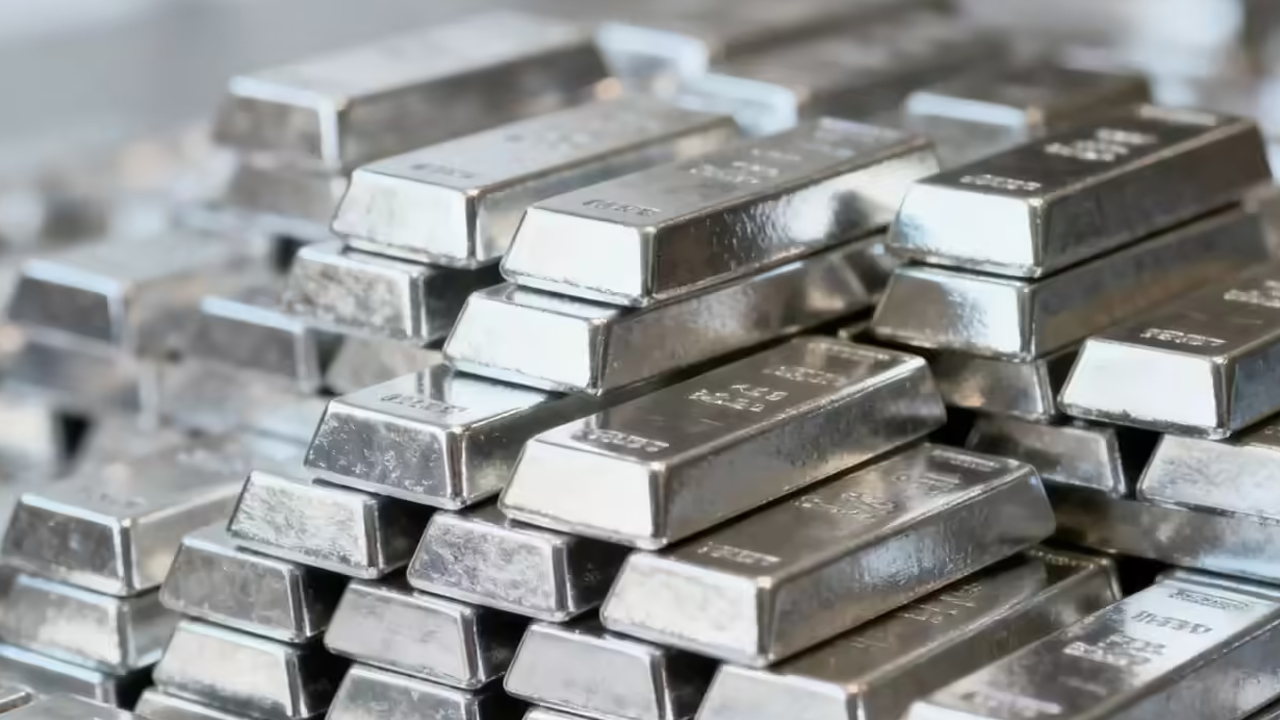
Darwin, September 8: Precious metal prices declined in the international market on Tuesday. In the spot market, silver prices fell 0.5% to $65.76 per ounce….
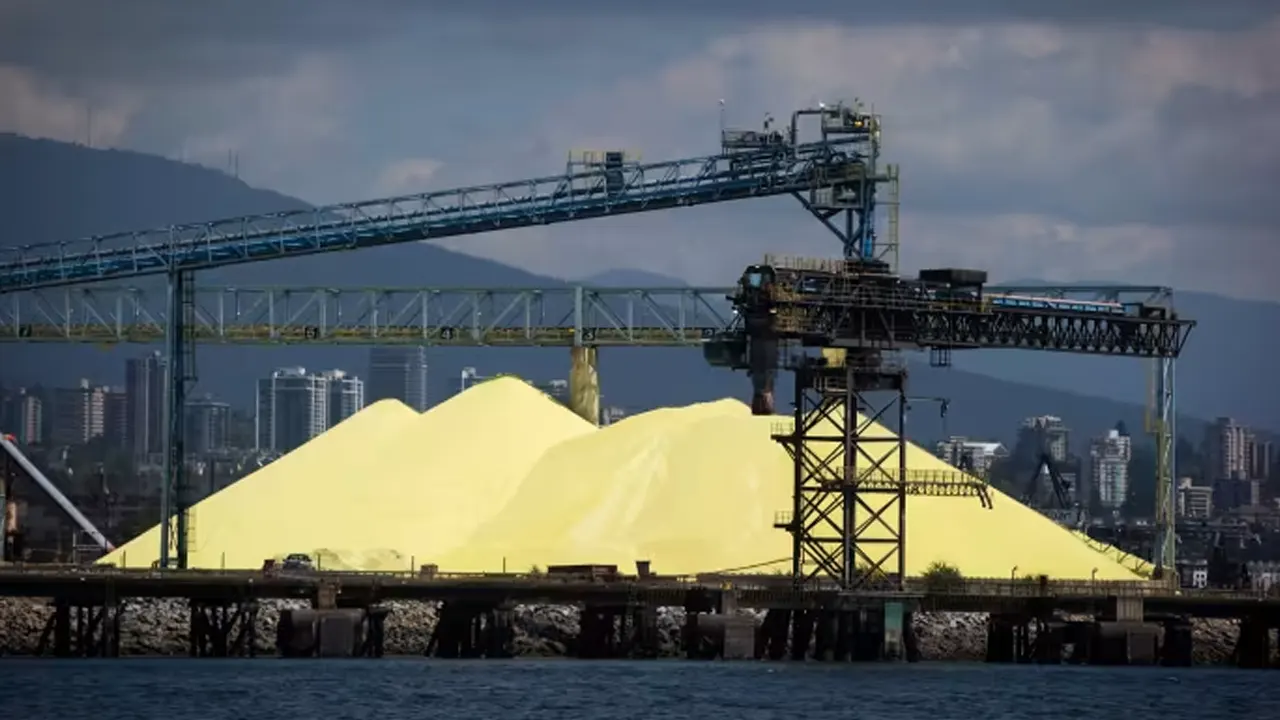
Darwin, August 03: Global sulfur prices have surged by 134% due to supply disruptions caused by the Iran–U.S. conflict, raising fertilizer production costs and increasing…

Darwin, 24 July : The European Union (EU) has fined tech giant Google €890 million (approximately US$1 billion) for violating the bloc’s digital antitrust rules….
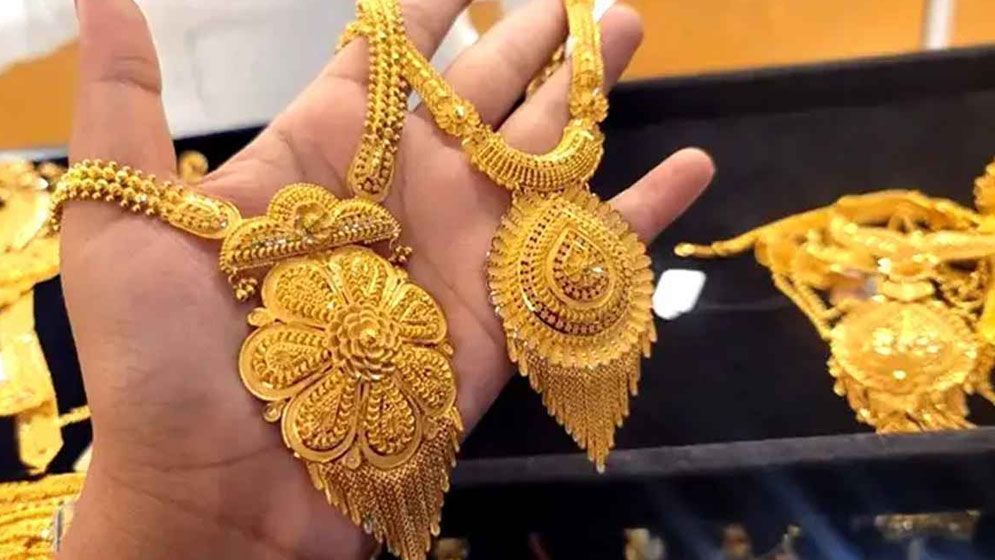
Darwin, 26 June : International gold prices declined for a third consecutive day, with the precious metal now trading below the $4,000-per-ounce mark following the…
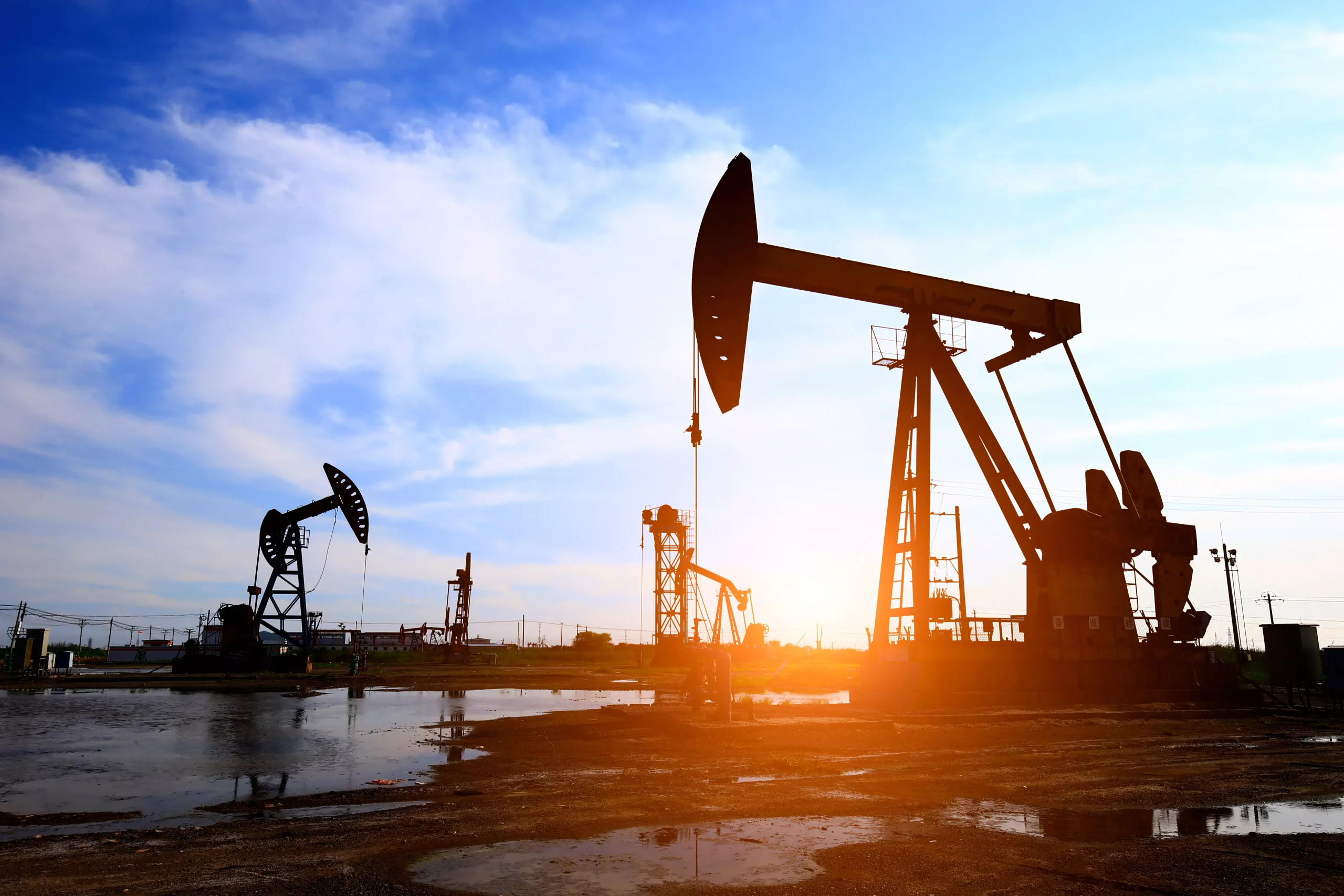
Darwin, 26 June : Global oil prices fell to their lowest levels since before the Iran conflict, as expectations of increased crude supplies from the…
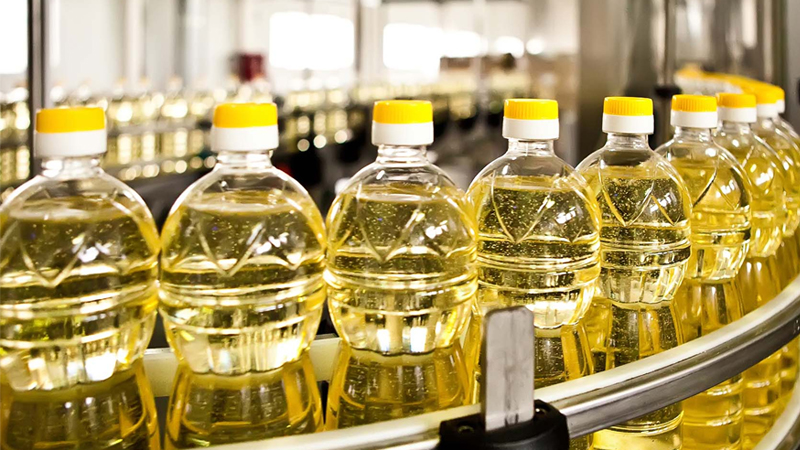
Darwin, 15 May: Prices of edible oils such as soybean, palm, and sunflower continue to rise in the global market, reaching their highest level since…

Darwin, 07 February: According to a report from BBC, Saudi Arabia expanded alcohol sales beyond diplomats at the end of 2025. Previously, only foreign diplomats…

Get fit with ease! Gold’s Gym Bangladesh and City Bank announce interest-free EMI, Amex discounts, and free nutrition plans for members.