Silver, Platinum and Palladium Prices Fall in Global Markets
Darwin, September 8: Precious metal prices declined in the international market on Tuesday. In the spot market, silver prices fell 0.5% to $65.76 per ounce….



BEIJING – China has publicly accused the United States National Security Agency (NSA) of systematically stealing secrets and infiltrating the country’s National Time Service Center over an extended period. The accusation, made by China’s State Security Ministry on Sunday, warns that the cyber breaches risked disrupting critical infrastructure, including communication networks, financial systems, the power supply, and even the international standard time. The National Time Service Center, a key research institute under the Chinese Academy of Sciences, is responsible for generating, maintaining, and broadcasting China’s standard time.
In a detailed statement posted on its official WeChat account, the ministry claimed its investigation uncovered evidence of espionage stretching back to 2022. The ministry alleged that the U.S. intelligence agency “exploited a vulnerability” in the messaging service of an unnamed foreign smartphone brand to access staff members’ mobile devices and steal data and credentials in 2022.
Furthermore, the investigation found that the U.S. launched attacks on the center’s internal network systems and attempted to attack the high-precision ground-based timing system in both 2023 and 2024. The U.S. embassy in Beijing did not directly address the specific accusations against the NSA. Instead, a spokesperson reiterated the long-standing American position, describing China as the most active and persistent cyber threat to U.S. government, private-sector, and critical infrastructure networks.
“Cyber actors based in China have compromised major U.S. and global telecommunications providers’ networks to conduct broad significant cyber espionage campaigns,” the embassy spokesperson told Reuters in an email.
These latest accusations escalate the ongoing cyber conflict between the two superpowers, who have consistently portrayed one another as the primary cyber threat. The charges surface amid renewed trade tensions, including China’s expanded rare earths export controls and U.S. threats of increased tariffs on Chinese goods.

Darwin, September 8: Precious metal prices declined in the international market on Tuesday. In the spot market, silver prices fell 0.5% to $65.76 per ounce….
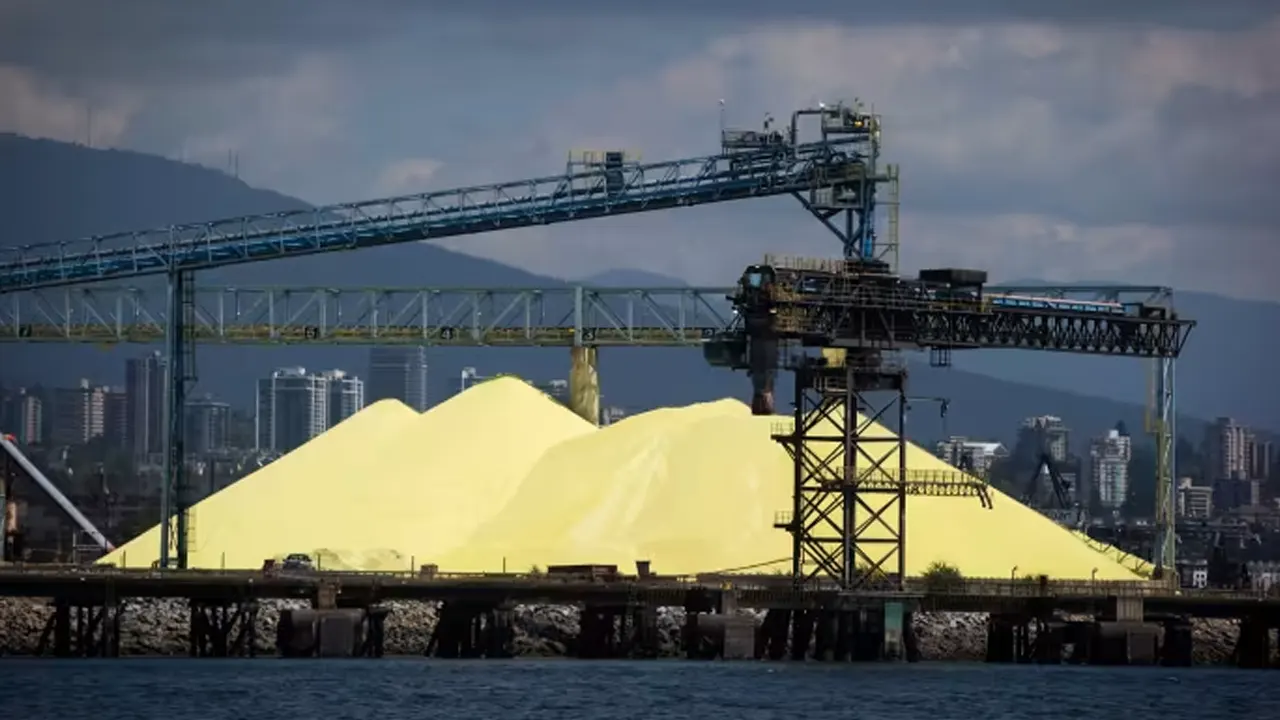
Darwin, August 03: Global sulfur prices have surged by 134% due to supply disruptions caused by the Iran–U.S. conflict, raising fertilizer production costs and increasing…

Darwin, 24 July : The European Union (EU) has fined tech giant Google €890 million (approximately US$1 billion) for violating the bloc’s digital antitrust rules….

Darwin, 26 June : International gold prices declined for a third consecutive day, with the precious metal now trading below the $4,000-per-ounce mark following the…

Darwin, 26 June : Global oil prices fell to their lowest levels since before the Iran conflict, as expectations of increased crude supplies from the…

Darwin, 15 May: Prices of edible oils such as soybean, palm, and sunflower continue to rise in the global market, reaching their highest level since…

Darwin, 15 May: You may think your home Wi-Fi connection is completely under your control and fully secure. But what if, without your knowledge, your…
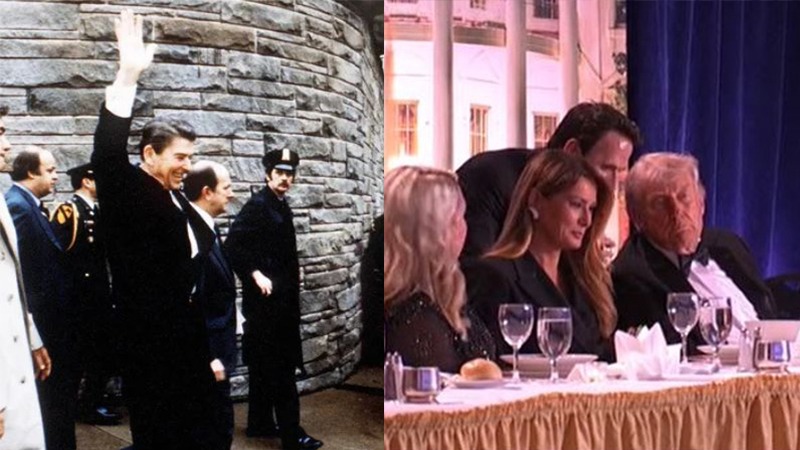
Darwin, 27 April: The shooting incident at the Hilton Hotel in Washington, D.C., on Saturday night—during the White House Correspondents’ Association annual dinner attended by…