Deaths in Australia Expected to Outnumber Births by the 2060s, Report Says
Darwin, October 05: Deaths in Australia are expected to outnumber births by the 2060s, according to a government report, marking a demographic milestone that countries…



SYDNEY: Australia has commenced its nationwide ban on social media use for all children under the age of 16, kicking off an unprecedented national experiment intended to protect youth mental health but which immediately raises concerns about the isolation of remote and minority communities.
The federal law, passed rapidly after South Australian Premier Peter Malinauskas championed the cause—inspired by psychologist Jonathan Haidt’s book The Anxious Generation—now restricts millions of young Australians from accessing platforms like TikTok and Snapchat.
Proponents of the ban argue it provides necessary “guardrails” against the relentless pressures of digital life, citing issues like bullying, exposure to predators, and the mental health strain of constant online comparison.

Jacinta Hickey, 14, says she is old enough to know right from wrong
Emma Mason, a campaigner who tragically lost her 15-year-old daughter, Tilly, to suicide years ago, strongly supports the legislation. She described social media platforms as “agents of harm that are unregulated,” adding, “It’s a government’s job to protect the vulnerable of our society.”
The policy is welcomed by educators. Iris Nastasi, a Sydney principal, noted the constant disruption caused by social media fallout: “It’s two in the morning, he or she does something that they wouldn’t normally do and the fallout happens here. Relationships are damaged and we have to look into it.”
However, the ban has drawn immediate criticism over its blanket approach, particularly in vast, sparsely populated regions where digital tools are a crucial lifeline.
In the Queensland outback, 15-year-old Breanna Easton, who herds cattle 1,600km north-east of Brisbane, relies on Snapchat to maintain contact with friends living over 100km away. “Taking away our socials is just taking away how we talk to each other,” Breanna said.
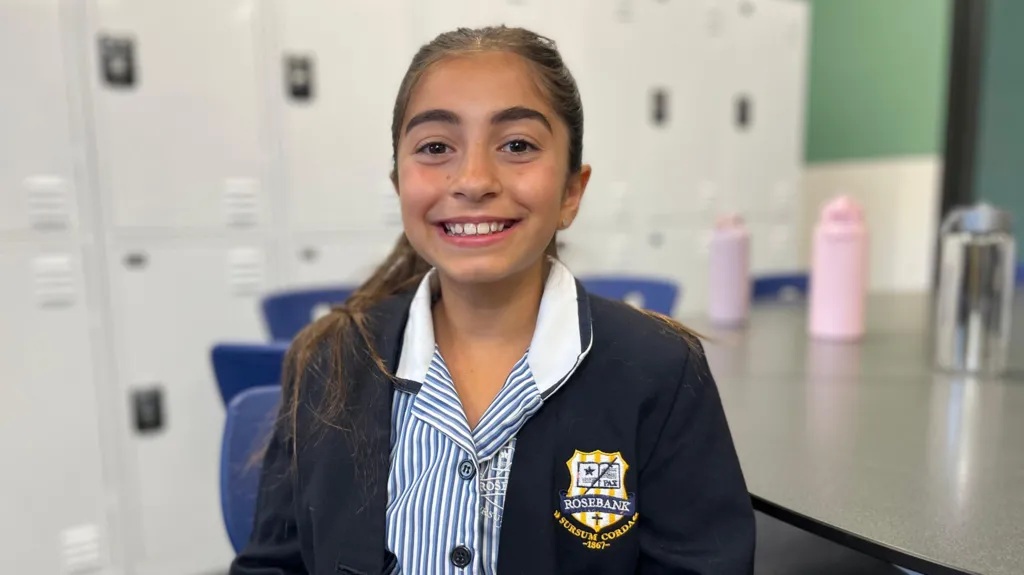
Lola, 12, is in favour of the ban
Her mother, Megan Easton, called the legislation “government overstepping,” arguing it removes parental power to teach children digital literacy at a key developmental stage. “Usually around 12 is when they start looking for their peers to be more influential than their parents,” she noted, preferring to stage her children’s social media experience proactively.
The law now faces ongoing challenges, including a High Court challenge brought by two teenagers and potential legal battles with major tech firms.
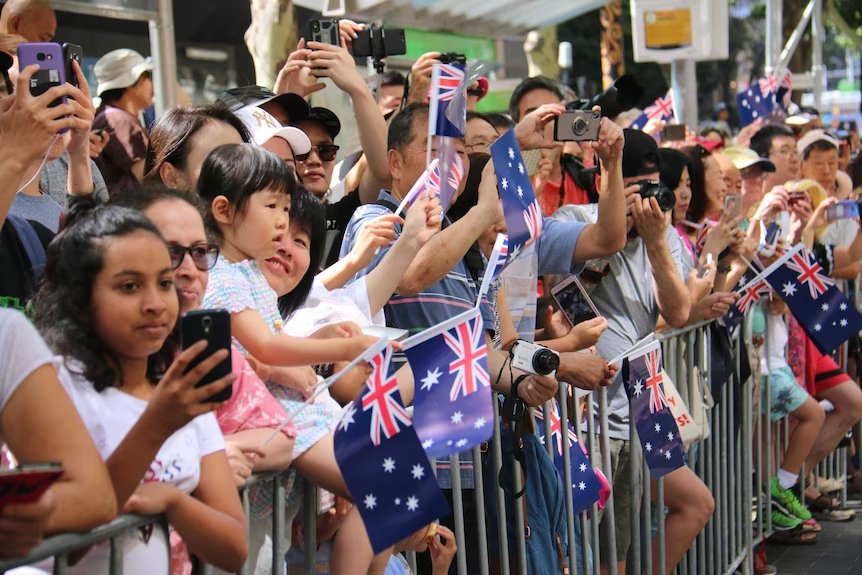
Darwin, October 05: Deaths in Australia are expected to outnumber births by the 2060s, according to a government report, marking a demographic milestone that countries…

Darwin, October 04: Ten people, including three children, have been injured after a car crashed into a crowd of rugby league fans in Newcastle, eastern…
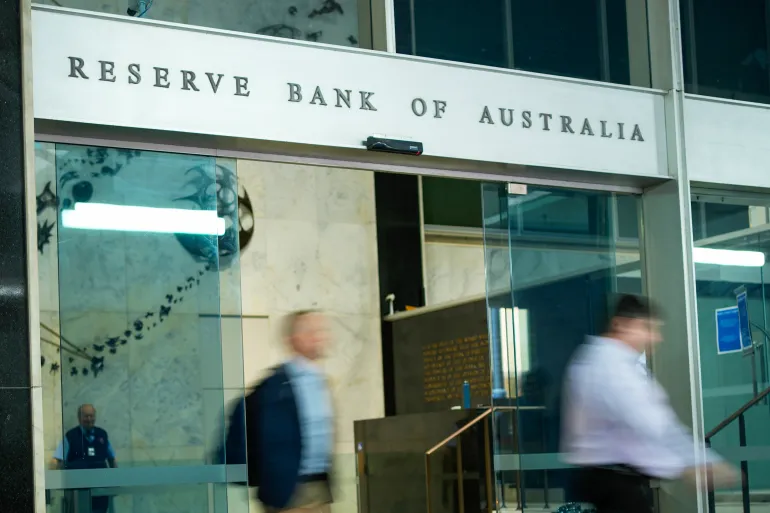
Darwin, October 4: Australia’s central bank has raised interest rates to their highest level in 15 years, increasing mortgage repayments for millions of Australian households….
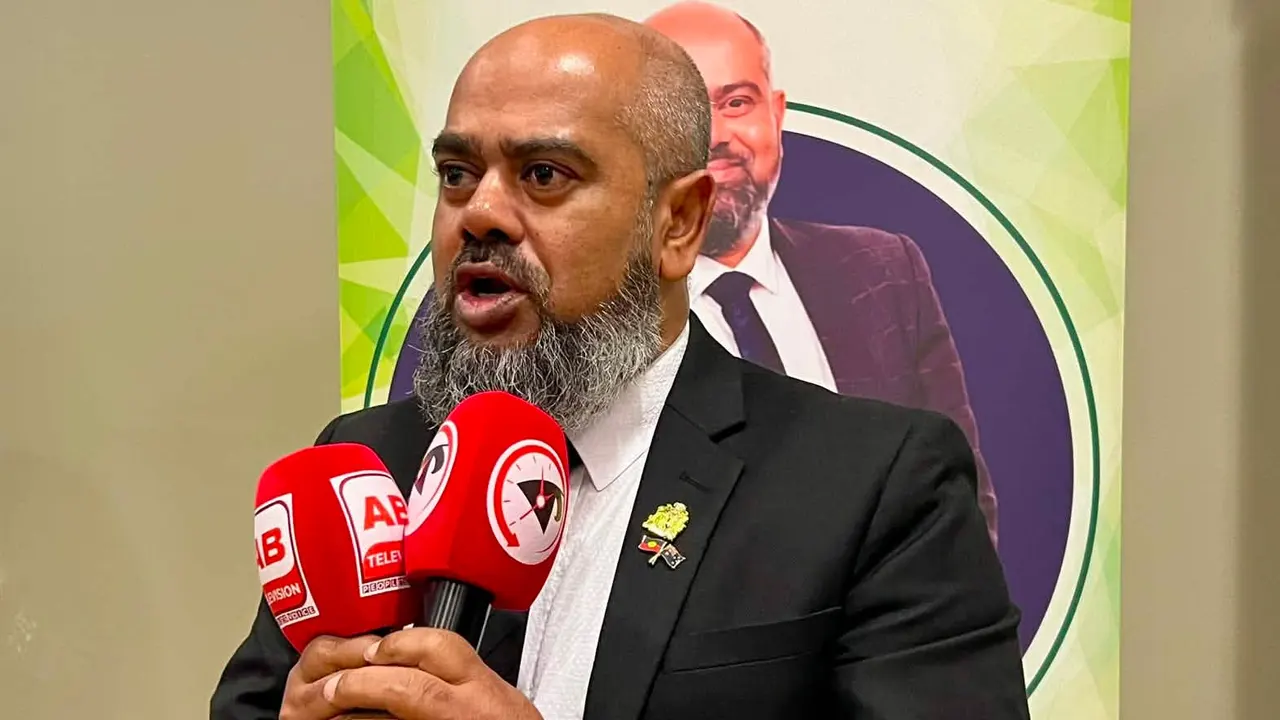
Darwin, September 06: Bangladeshi-Australian community leader and Campbelltown City Councillor and former Deputy Mayor Mohammad Ibrahim Khalil Masud has formally announced his candidacy for the…

Darwin, September 02: Queensland has introduced strict new rules governing the use of e-bikes and e-scooters. From now on, people using these electric vehicles in…
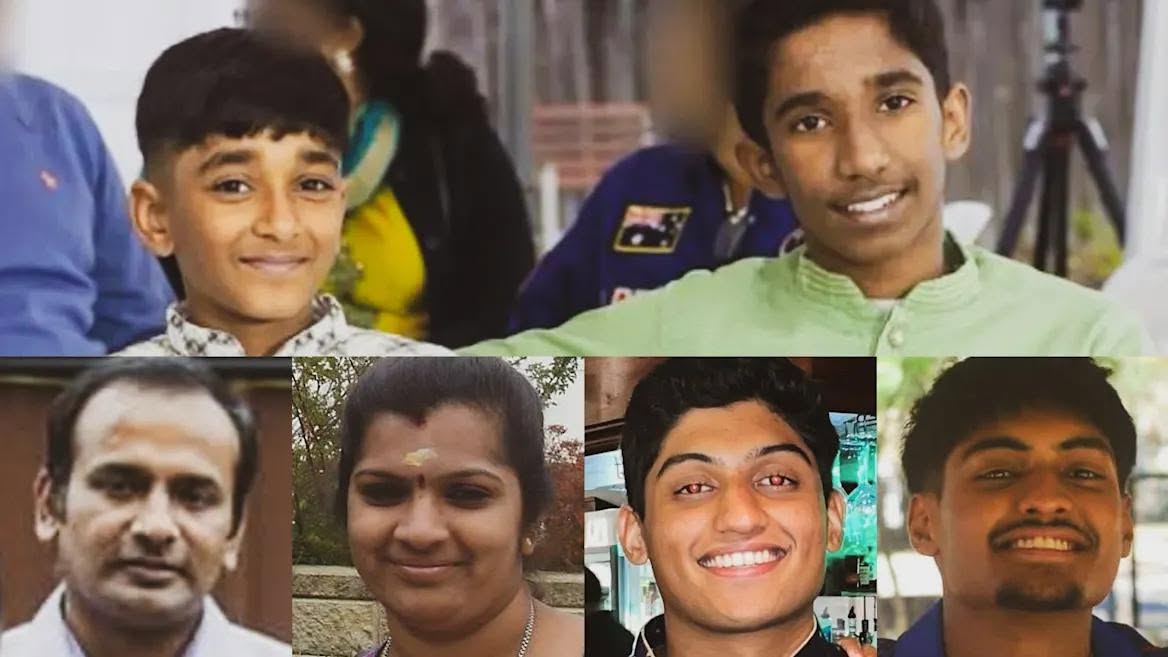
Darwin, August 28: At least 39 Australian citizens are among nearly 1,500 people still missing following devastating flash floods and landslides in areas along the…
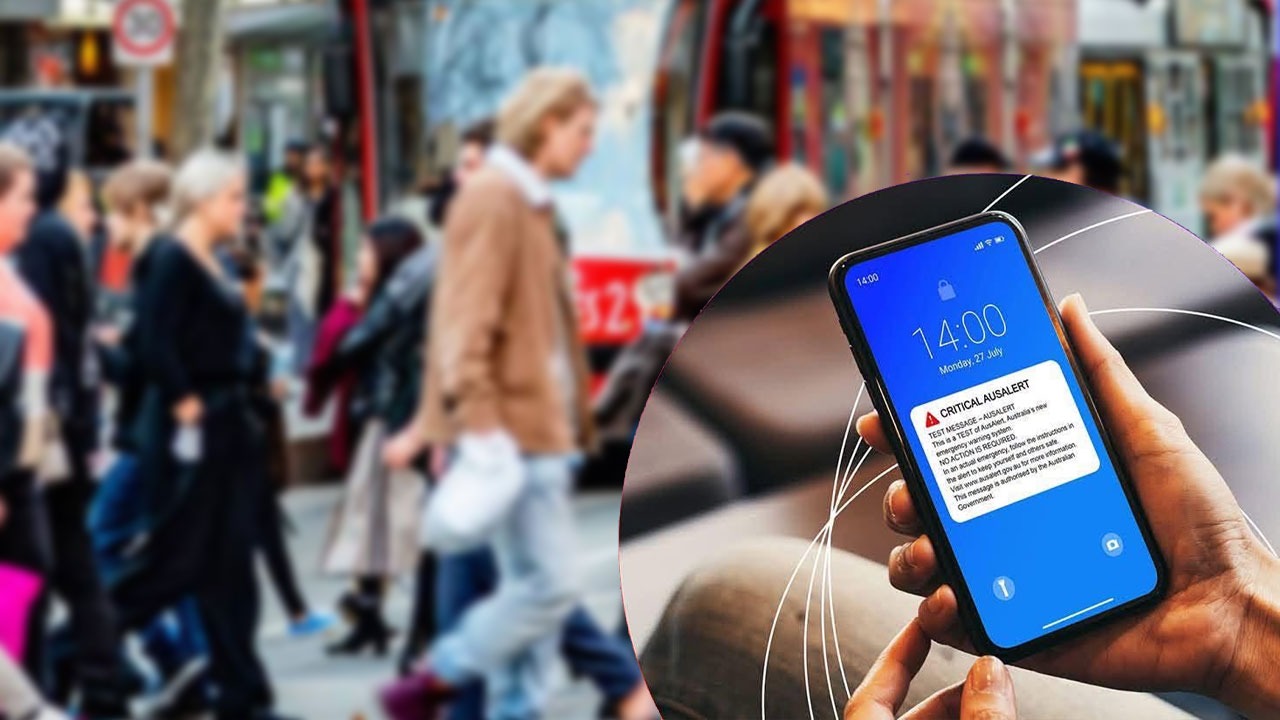
Darwin, 28 July : Australia’s new national emergency alert system, AusAlert, successfully completed its first nationwide trial on Monday. At 2:00 pm local time (AEST)…
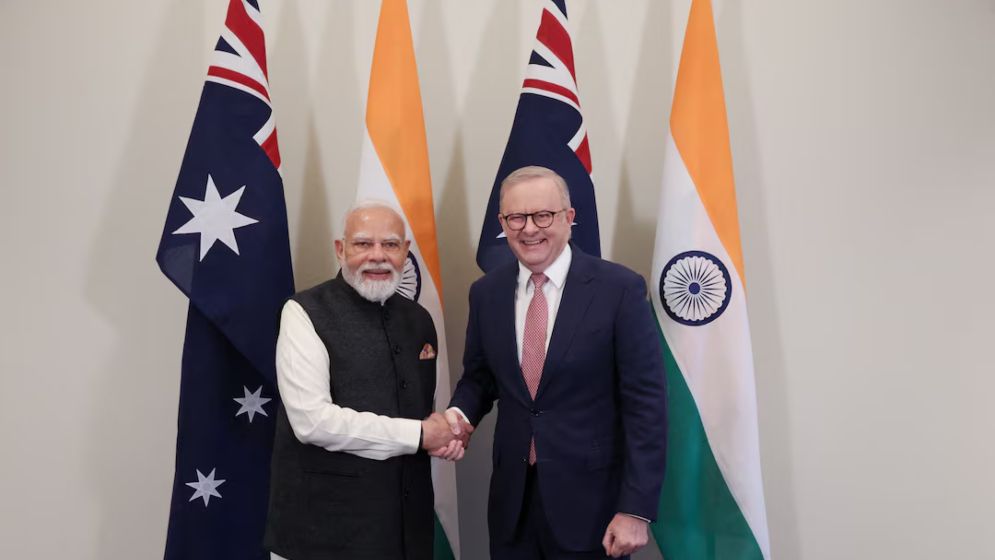
Darwin, 10 July : India and Australia have signed a significant energy cooperation agreement, including uranium exports, during Indian Prime Minister Narendra Modi’s visit to…