Ten Injured After Car Ploughs Into Rugby League Fans in Australia
Darwin, October 04: Ten people, including three children, have been injured after a car crashed into a crowd of rugby league fans in Newcastle, eastern…



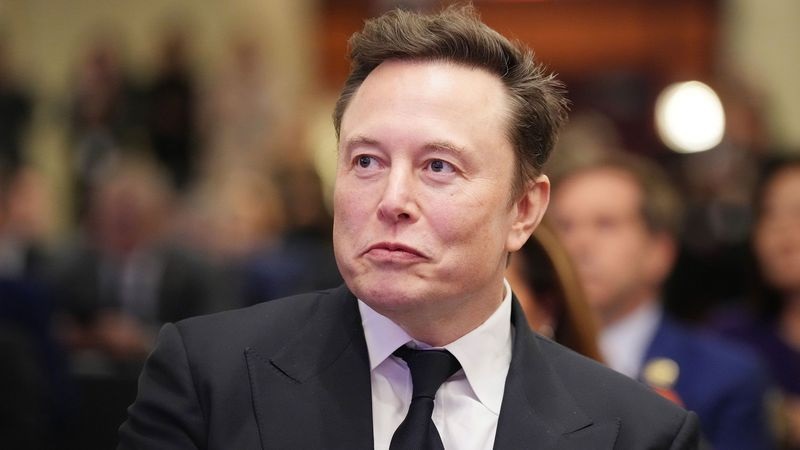
SYDNEY : Australians are among a growing global victim pool targeted by Elon Musk’s AI chatbot, Grok, which is being utilized to generate non-consensual sexualized images of women and children.
The eSafety Commission has confirmed it has received multiple reports of Grok being used to “nudify” or sexually depict individuals without their consent. The tool, known as Grok Imagine, was launched in July but has seen a surge in abusive use since being opened to the general public in October.
Among the most high-profile victims is Ashley St Clair, Elon Musk’s former partner. St Clair told The Guardian that users have leveraged the platform to create what she describes as “AI revenge porn.”
“I felt horrified, I felt violated, especially seeing my toddler’s backpack in the back of it,” St Clair said, highlighting the disturbing ease with which the AI incorporates personal details into explicit generated content.
An eSafety spokesperson confirmed that reports are being assessed under both the Image-Based Abuse scheme and the Illegal and Restricted Content scheme. While some reports involving children have not yet met the legal threshold for “child sexual exploitation material,” the commission remains “deeply concerned” about the increasing use of generative AI to exploit vulnerable groups.
A report by the non-profit AI Forensics analyzed 20,000 images generated by Grok over the 2025-2026 New Year period. Their findings revealed that 2% of generated content depicted individuals appearing to be 18 or younger, including dozens of images showing young girls in transparent clothing or bikinis.
Through its Safety account, X (formerly Twitter) stated it takes action against illegal content by removing material and suspending accounts. “Anyone using or prompting Grok to make illegal content will suffer the same consequences as if they upload illegal content,” the company warned. However, critics argue that the platform’s “public sharing” nature allows these images to spread far faster than they can be moderated.
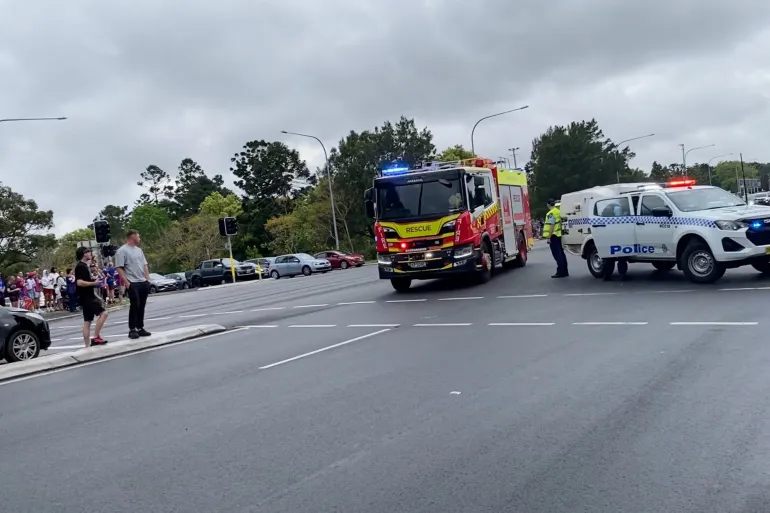
Darwin, October 04: Ten people, including three children, have been injured after a car crashed into a crowd of rugby league fans in Newcastle, eastern…
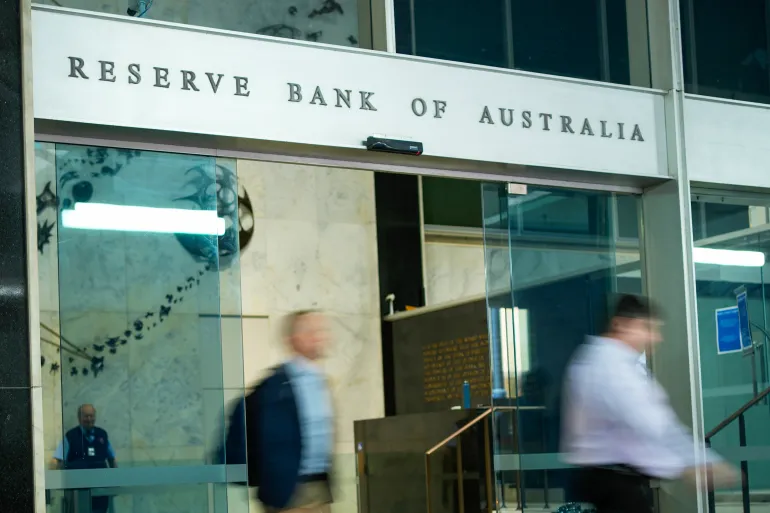
Darwin, October 4: Australia’s central bank has raised interest rates to their highest level in 15 years, increasing mortgage repayments for millions of Australian households….
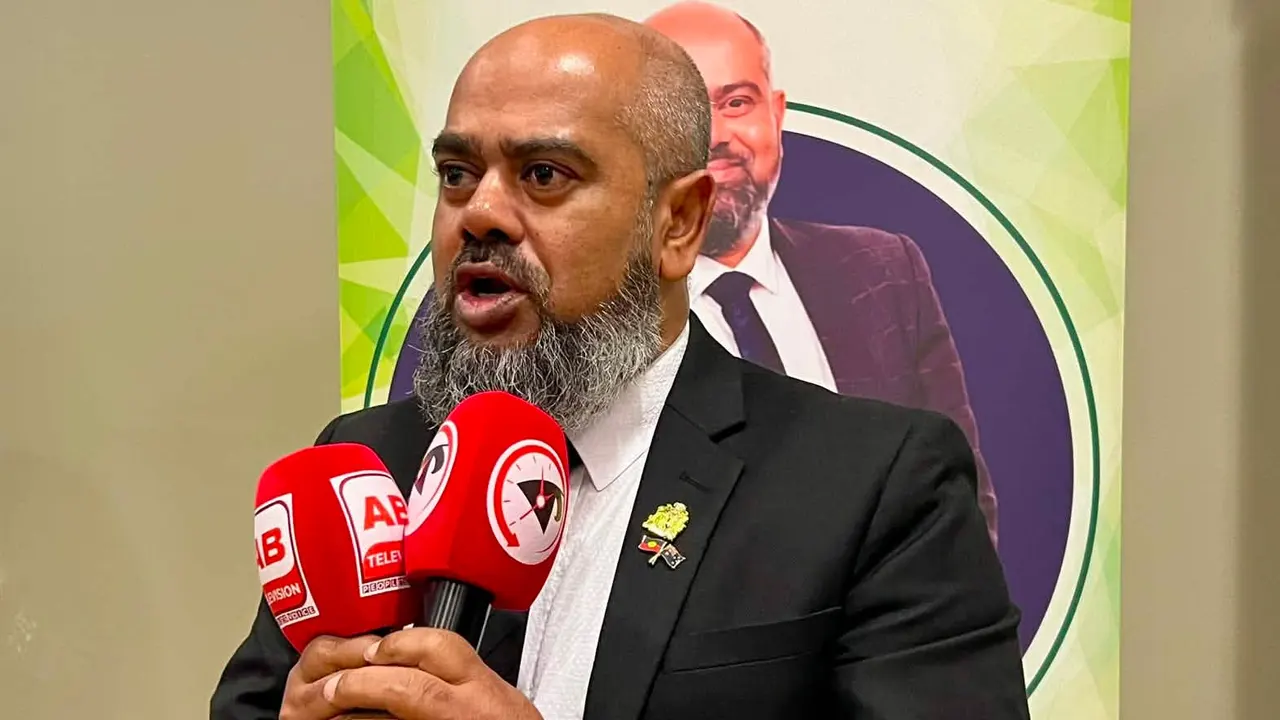
Darwin, September 06: Bangladeshi-Australian community leader and Campbelltown City Councillor and former Deputy Mayor Mohammad Ibrahim Khalil Masud has formally announced his candidacy for the…

Darwin, September 02: Queensland has introduced strict new rules governing the use of e-bikes and e-scooters. From now on, people using these electric vehicles in…
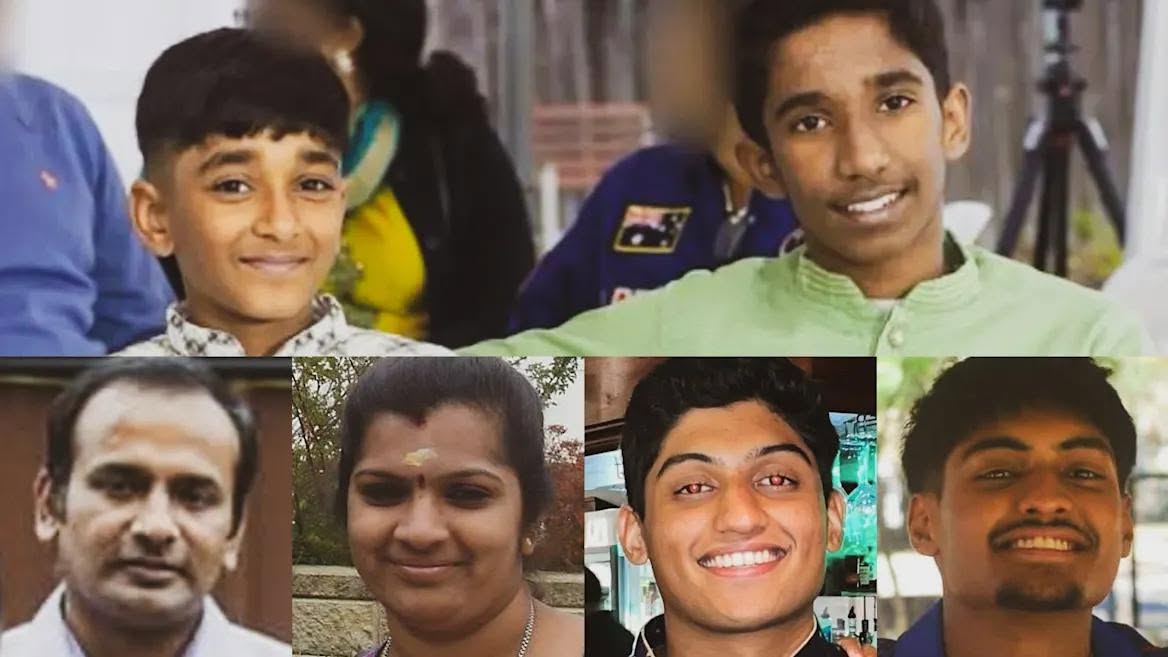
Darwin, August 28: At least 39 Australian citizens are among nearly 1,500 people still missing following devastating flash floods and landslides in areas along the…
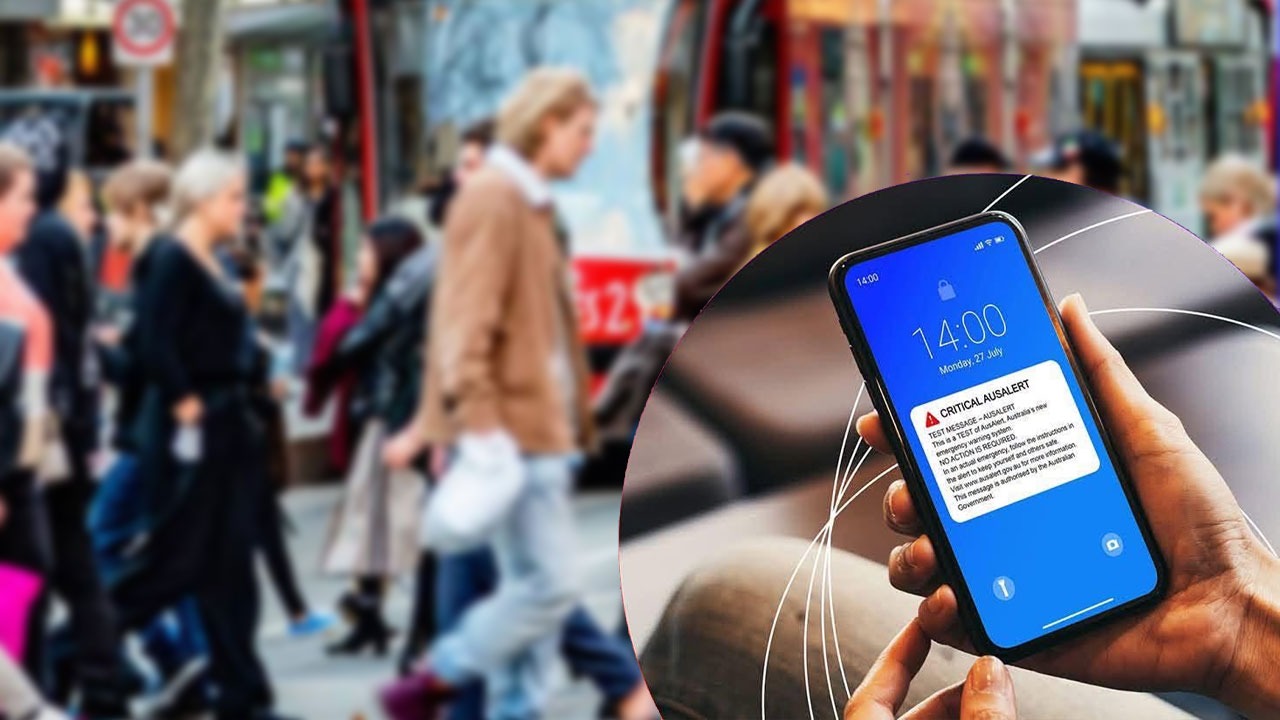
Darwin, 28 July : Australia’s new national emergency alert system, AusAlert, successfully completed its first nationwide trial on Monday. At 2:00 pm local time (AEST)…
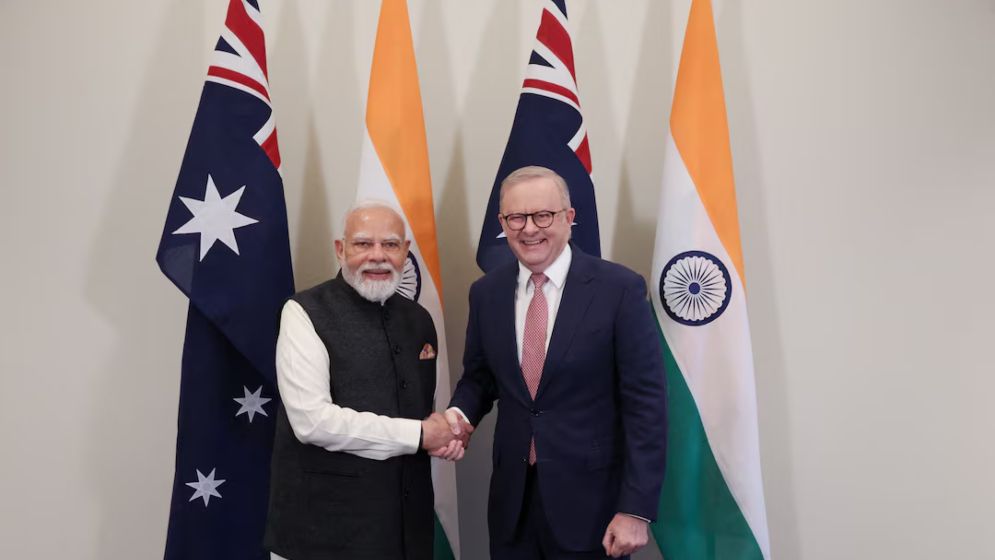
Darwin, 10 July : India and Australia have signed a significant energy cooperation agreement, including uranium exports, during Indian Prime Minister Narendra Modi’s visit to…
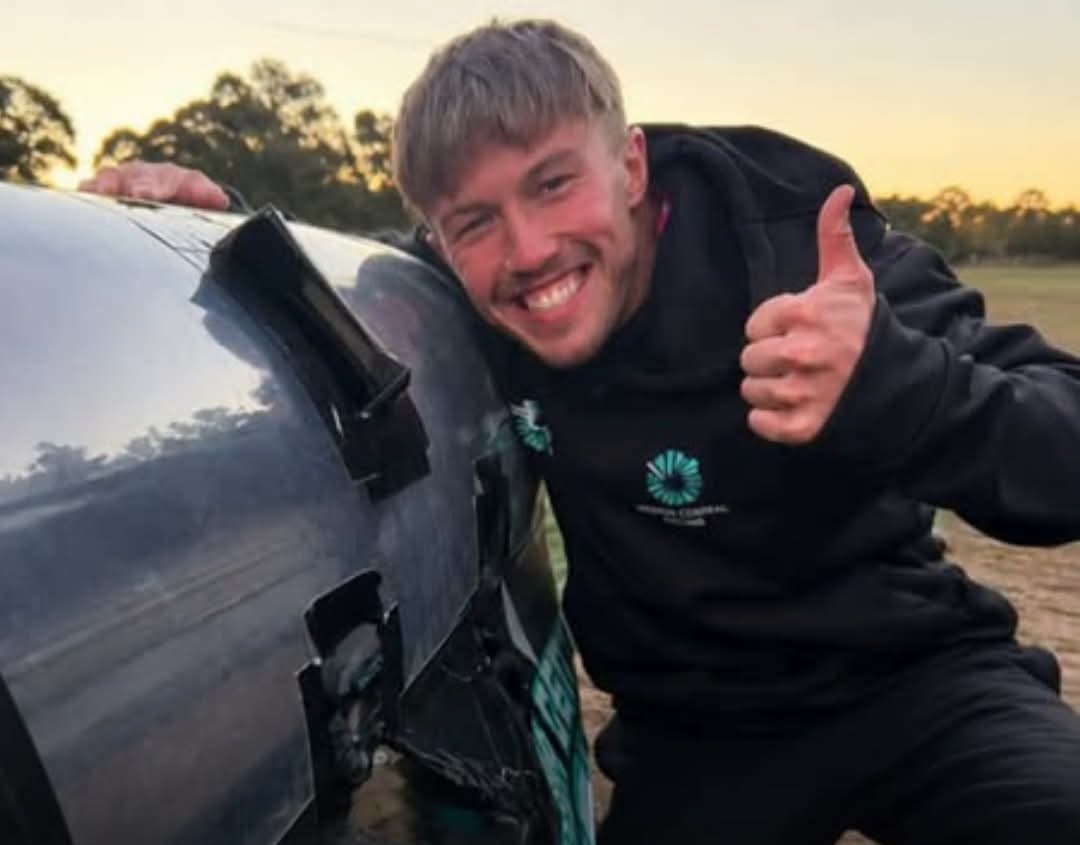
Darwin, 07 July : Local Australian rules footballer and school teacher Nathan Fitzgerald has died after suffering a catastrophic head injury during a match in…