Silver, Platinum and Palladium Prices Fall in Global Markets
Darwin, September 8: Precious metal prices declined in the international market on Tuesday. In the spot market, silver prices fell 0.5% to $65.76 per ounce….



KUALA LUMPUR / WASHINGTON D.C. – A significant de-escalation in the trade war between the world’s two largest economies is underway, with the US and China agreeing on the framework of a potential trade deal, US Treasury Secretary Scott Bessent confirmed on Sunday.
The “substantial framework” was reached following constructive talks between Bessent and senior Chinese trade officials on the sidelines of the Association of Southeast Asian Nations (Asean) summit in Malaysia. The deal sets the stage for a highly anticipated meeting between US President Donald Trump and Chinese President Xi Jinping on Thursday in South Korea.
According to Bessent, the framework successfully addresses several flashpoint issues:
Tariff Avoidance: The agreement is expected to avert the 100% tariff on Chinese goods that President Trump had threatened to impose starting in November. Bessent stated: “The tariffs will be averted.”
China has agreed to a one-year deferral on its tightened export controls on rare earth minerals. These materials are critical components in electronics, from smartphones to military equipment, and China processes around 90% of the world’s supply.
The framework includes a “final deal” regarding the US operations of the social media platform TikTok, resolving the long-standing national security and data privacy concerns.
China will resume substantial soybean purchases from the United States, providing a major win for American farmers.
Both nations are moving to solidify the agreement in an effort to prevent further economic friction. The Chinese government, in a statement, confirmed that negotiators had “reached a basic consensus on arrangements to address their respective concerns,” adding that both sides “agreed to further finalise specific details.”
The progress comes as a relief after trade tensions recently spiked. Trump had threatened the huge tariff increase in response to China’s initial move to tighten restrictions on rare earth exports. The US President had accused Beijing of “becoming very hostile” and attempting to hold the world “captive” over the materials.
Bessent stated that the successful framework was the result of Trump’s threat, which provided “a great deal of negotiating leverage.”
President Trump and President Xi Jinping are scheduled to hold face-to-face talks on Thursday in South Korea as part of Trump’s ongoing tour of Asia, where the leaders are expected to formally finalize the deal.
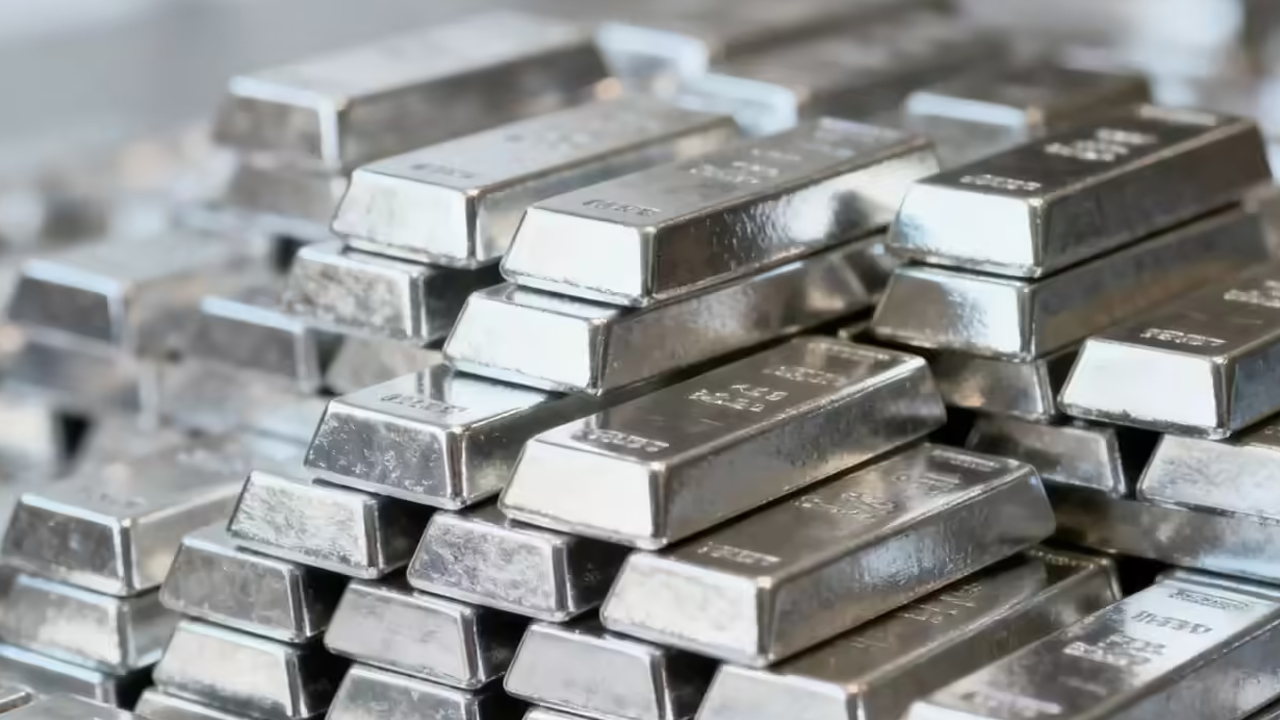
Darwin, September 8: Precious metal prices declined in the international market on Tuesday. In the spot market, silver prices fell 0.5% to $65.76 per ounce….
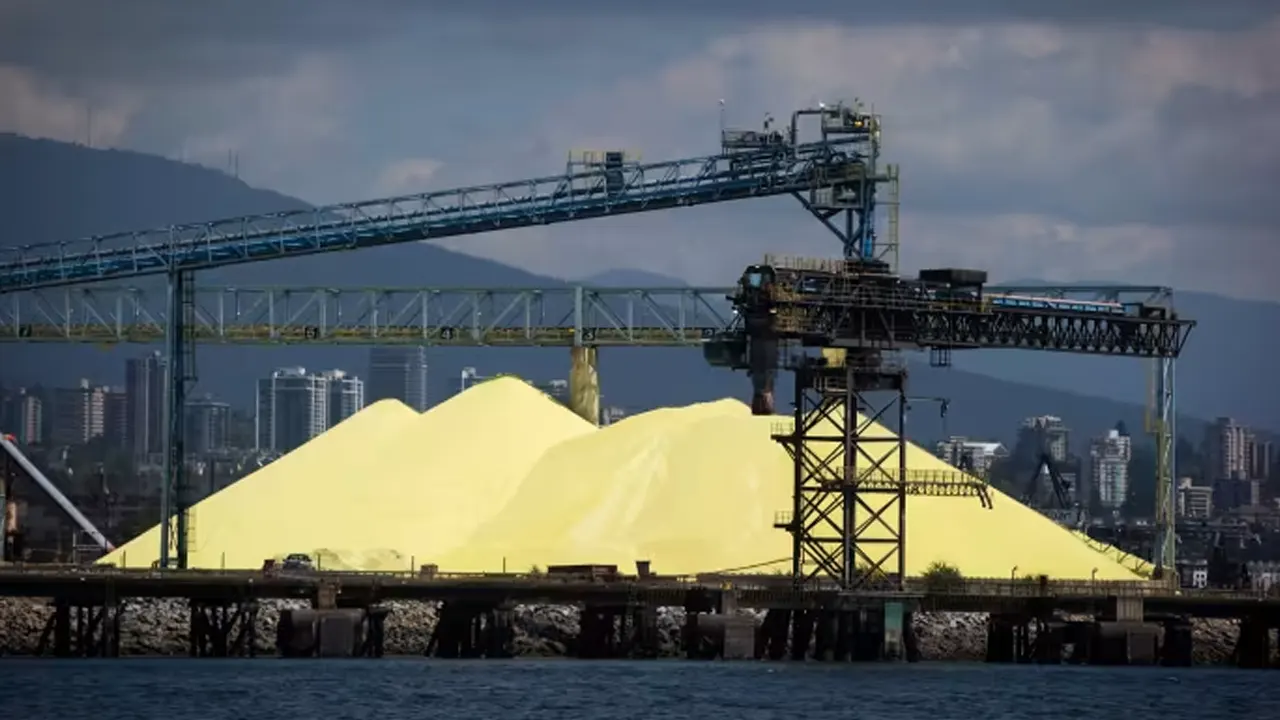
Darwin, August 03: Global sulfur prices have surged by 134% due to supply disruptions caused by the Iran–U.S. conflict, raising fertilizer production costs and increasing…

Darwin, 24 July : The European Union (EU) has fined tech giant Google €890 million (approximately US$1 billion) for violating the bloc’s digital antitrust rules….
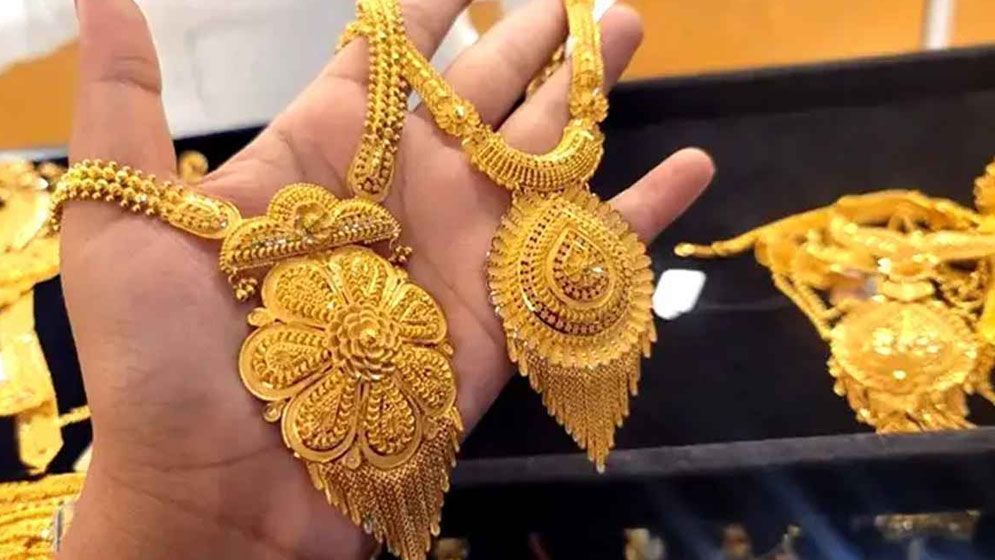
Darwin, 26 June : International gold prices declined for a third consecutive day, with the precious metal now trading below the $4,000-per-ounce mark following the…
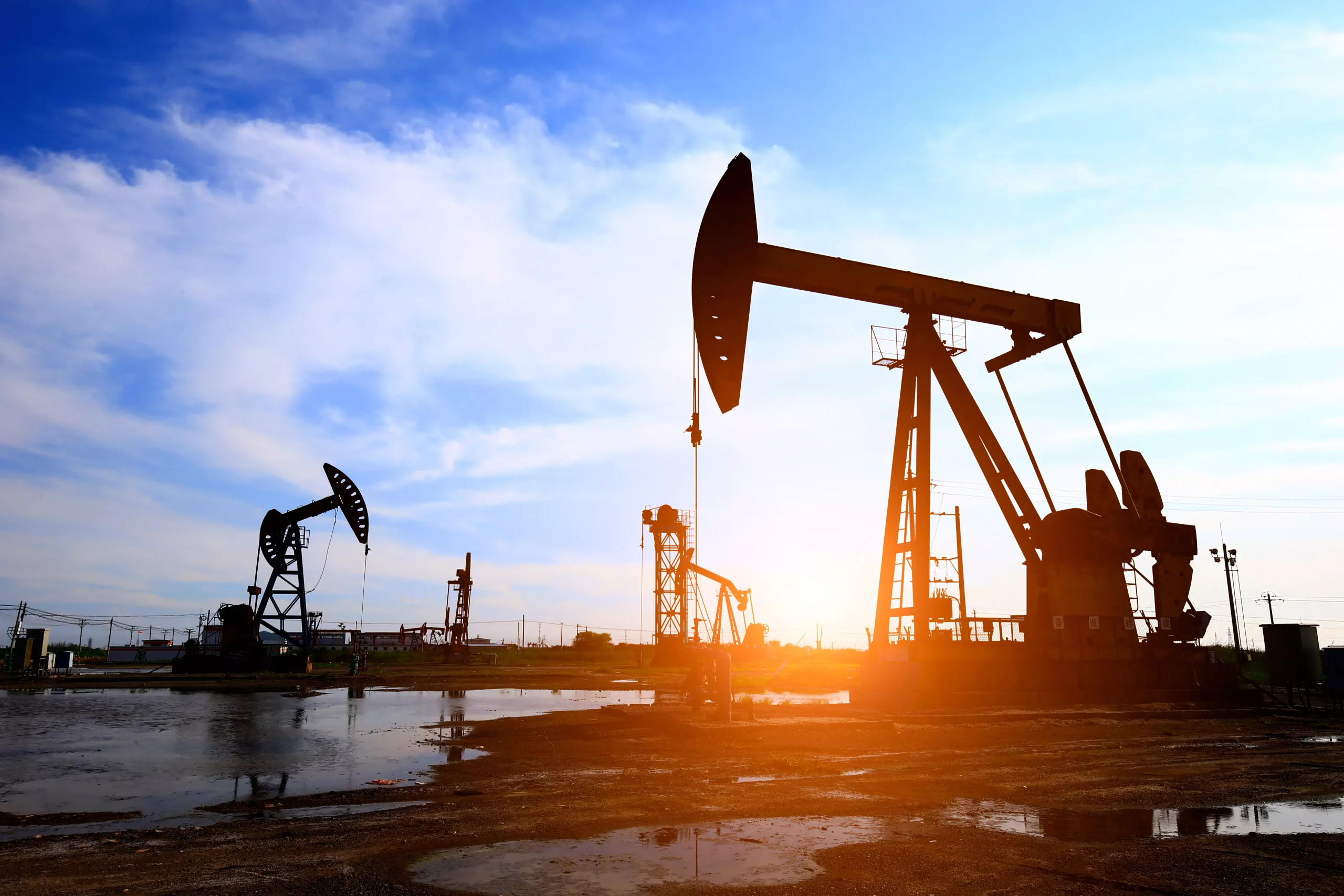
Darwin, 26 June : Global oil prices fell to their lowest levels since before the Iran conflict, as expectations of increased crude supplies from the…

Darwin, 15 May: Prices of edible oils such as soybean, palm, and sunflower continue to rise in the global market, reaching their highest level since…

Darwin, 07 February: According to a report from BBC, Saudi Arabia expanded alcohol sales beyond diplomats at the end of 2025. Previously, only foreign diplomats…

Get fit with ease! Gold’s Gym Bangladesh and City Bank announce interest-free EMI, Amex discounts, and free nutrition plans for members.